Pricing Disclaimer
Please note: All tree removal prices mentioned in this article are estimated figures provided for general educational and informational purposes only. Actual tree service pricing from All Natural Tree Experts may vary depending on the specific nature and scope of the work, including factors such as tree size, condition, location, accessibility, required equipment, debris removal, and other site-specific considerations. A professional on-site assessment is required to determine the actual cost of your tree removal project.
Tree removal costs in Virginia average pricing varies ranging from $250 for small trees to $4,700 for extra-large ones, depending on height, diameter, and site access. Homeowners should compare quotes carefully. All Natural Tree Experts, an ISA-certified arborist team serving Southwest Virginia and the New River Valley, provides honest assessments and transparent pricing for every removal project.
Key Takeaways
- Average tree removal cost in Virginia runs pricing varies with typical range between $250 and $3,700.
- Small trees below 14 feet tall cost approximately $220 for removal services.
- Medium-sized trees up to 27 feet require higher removal costs than smaller specimens.
- Ben McInerney, a qualified arborist with 15+ years experience, provides Virginia tree removal pricing guidance.
What is the average tree removal cost in Virginia?
The average tree removal cost Virginia is pricing varies with a normal range spanning from $250 to $3,700. This statewide average reflects the broad variation in tree size, condition, and accessibility across different properties in Virginia.
Tree removal pricing depends primarily on three factors: tree height, trunk diameter, and equipment access. These variables create significant price differences between a simple small-tree removal and a complex large-tree takedown.
How does tree size affect the cost?
Tree height directly determines the base price bracket. A small tree under 14 feet costs approximately $220 to remove. Medium trees up to 27 feet run about $700. Large trees between 27 and 70 feet range from $800 to $2,700. Extra-large specimens up to 100 feet command $2,700 to $4,700.
| Tree Size | Height Range | Typical Cost |
|---|---|---|
| Small | Under 14 ft | $220 approx |
| Medium | Up to 27 ft | $700 approx |
| Large | 27–70 ft | $800–$2,700 approx |
| Extra-large | Up to 100 ft | $2,700–$4,700 approx |
What is the difference between cutting down a tree and full removal?
The price to cut down a tree differs from full removal cost because it excludes debris cleanup. Cutting down involves felling the tree and leaving the material on-site. Full removal includes hauling away all branches, logs, and debris the most labor-intensive and costly portion of the job. Homeowners who handle their own cleanup can reduce total expenses, though this requires proper equipment and disposal arrangements.
A Tree removal service in Christiansburgh or elsewhere in Virginia will assess access for heavy equipment before quoting. Tight spaces, overhead obstacles, or sloped terrain increase complexity and cost. Property owners should request itemized quotes that specify whether debris removal and stump grinding are included.
Also Read: Tree Pruning and Trimming: Simple, Natural Ways to Keep Your Trees Healthy
What factors most affect tree removal pricing in Virginia?
Tree removal pricing in Virginia is determined by tree condition, placement, species, and cleanup requirements. Combining these variables can create a price range spanning several thousand dollars for a single job. A dead chestnut oak with bark falling off and branches breaking off, for example, costs $2,500 to $3,500 to remove. That price reflects the convergence of multiple high-risk factors.
How does tree condition change removal cost?
Tree health directly dictates removal difficulty. A dead or dying specimen presents unpredictable structural risks, requiring careful dismantling rather than a straightforward fell. Branches may snap under their own weight, and the trunk can split unpredictably. These hazards increase labor time and equipment needs, pushing costs upward.
Why does tree placement and site accessibility matter?
Location within the property governs how crews can approach the work. A 25-inch DBH chestnut oak standing 50 feet tall with a 20-foot canopy spread, located in a backyard just 10 feet from a metal roofed shed, demands precision rigging and piece-by-piece removal. Sloped terrain with garden terraces further complicates access for heavy equipment. These site constraints elevate pricing significantly compared to an open-field tree with full equipment access.
What role does species and debris handling play?
Different species have different wood densities, limb structures, and decay patterns. A large hardwood like chestnut oak generates substantial weight and requires specialized cutting techniques. The choice to leave debris on-site versus requesting full cleanup also alters the final bill. In the scenario above, the property owner opted to leave all debris in the yard, which reduces cost compared to a full haul-away service, yet the price still reached $2,500-$3,500 due to the dangerous combination of poor health, tight quarters, and challenging terrain.
How does tree size alter tree removal cost Virginia?
Tree size directly determines tree removal cost Virginia estimates, with height and diameter serving as the primary pricing factors. Small trees under 14 feet cost approximately $220 to remove. Medium trees up to 27 feet carry a price tag around $700. Large specimens between 27 and 70 feet range from $800 to $2,700. Extra-large trees reaching up to 100 feet command $2,700 to $4,700 for safe removal.
Why does height matter more than species for pricing?
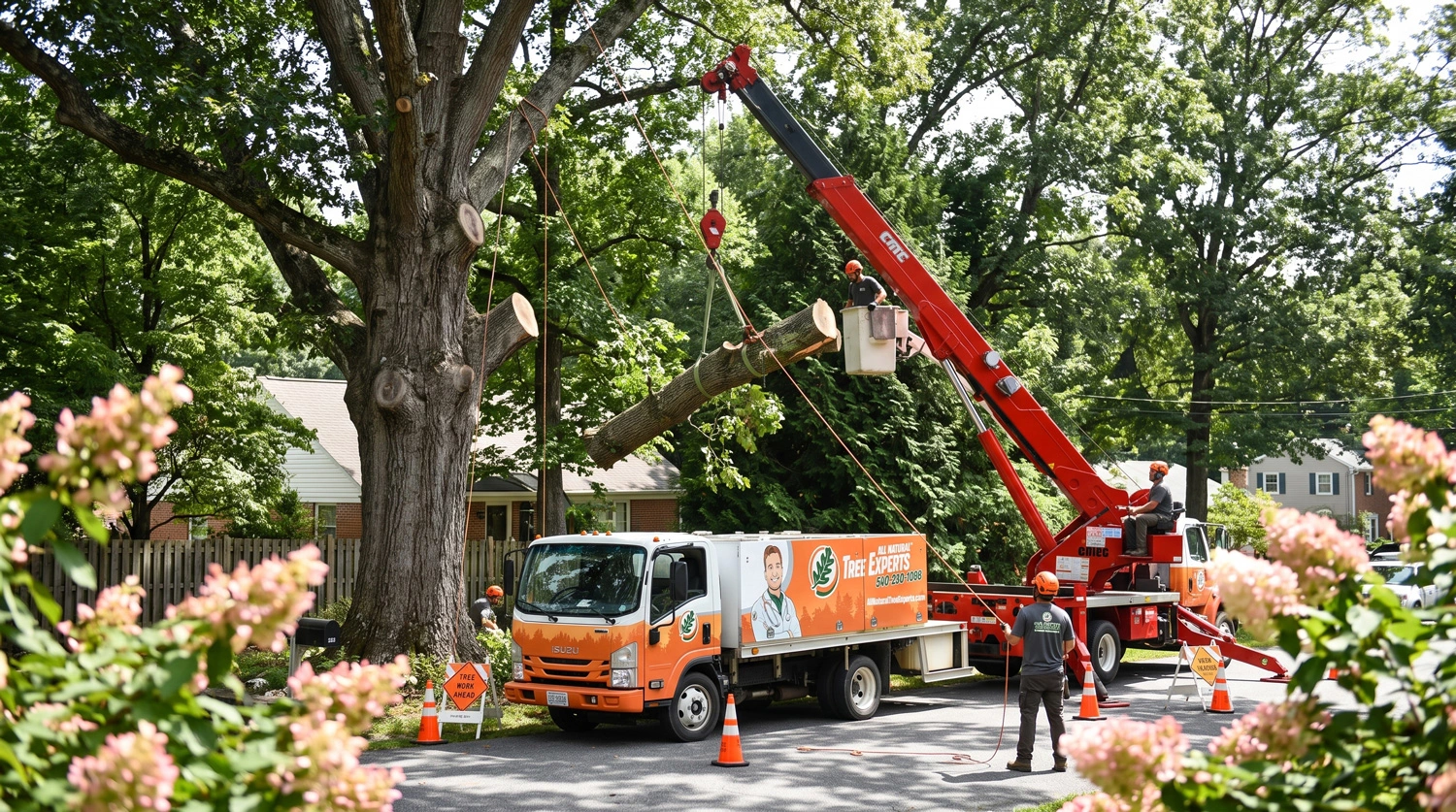
Height dictates the complexity of dismantling and the equipment required. A 50-foot tree demands rigging, ropes, and often a bucket truck or crane. A 12-foot sapling requires only a chainsaw and a ground crew. Tree removal pricing scales with the physical challenge of controlling falling sections in tight spaces.
| Tree Size Category | Height Range | Typical Cost Range |
|---|---|---|
| Small | Under 14 ft | ~$220 |
| Medium | Up to 27 ft | ~$700 |
| Large | 27–70 ft | $800–$2,700 |
| Extra-large | Up to 100 ft | $2,700–$4,700 |
How does diameter affect the final quote?
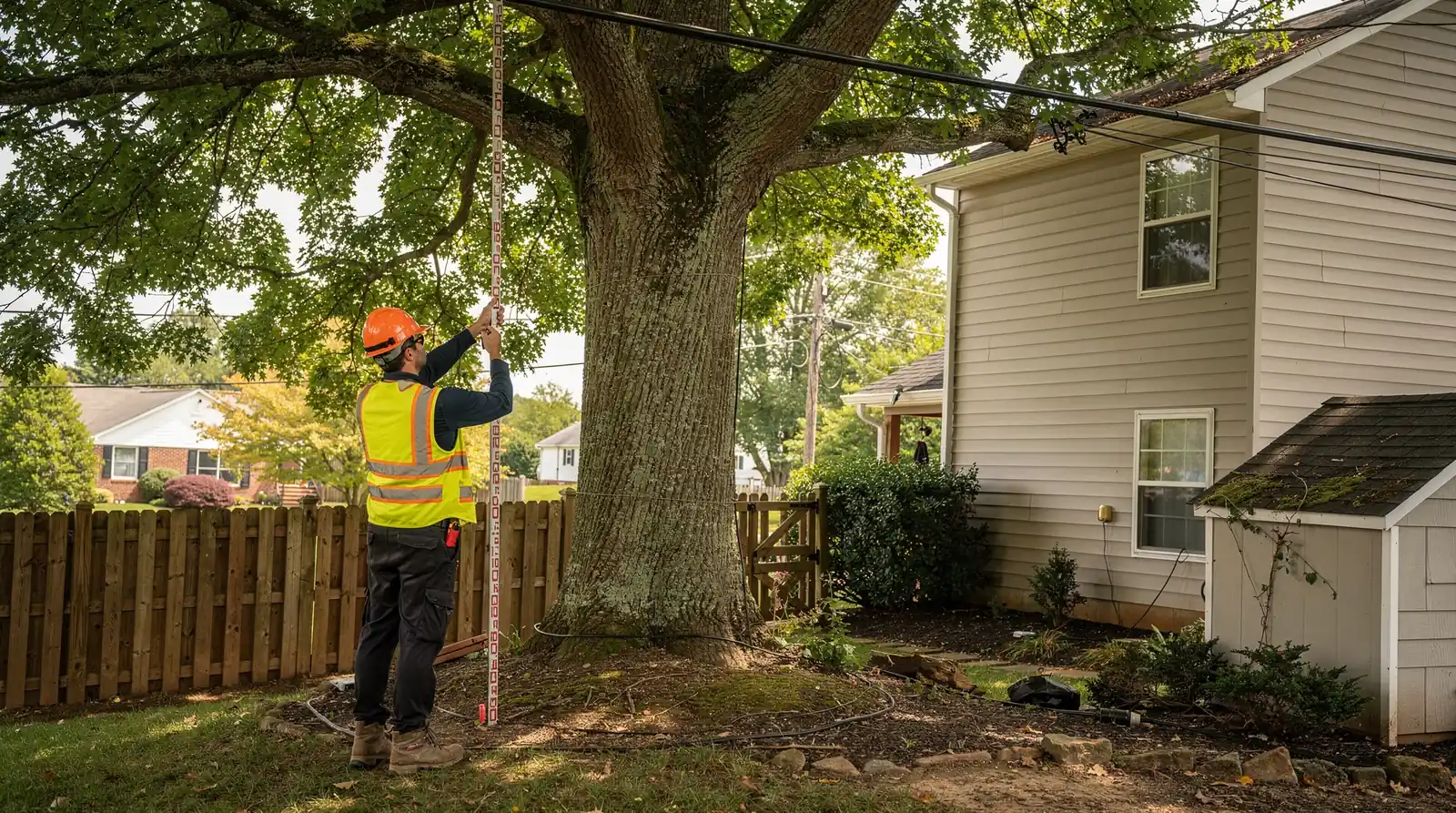
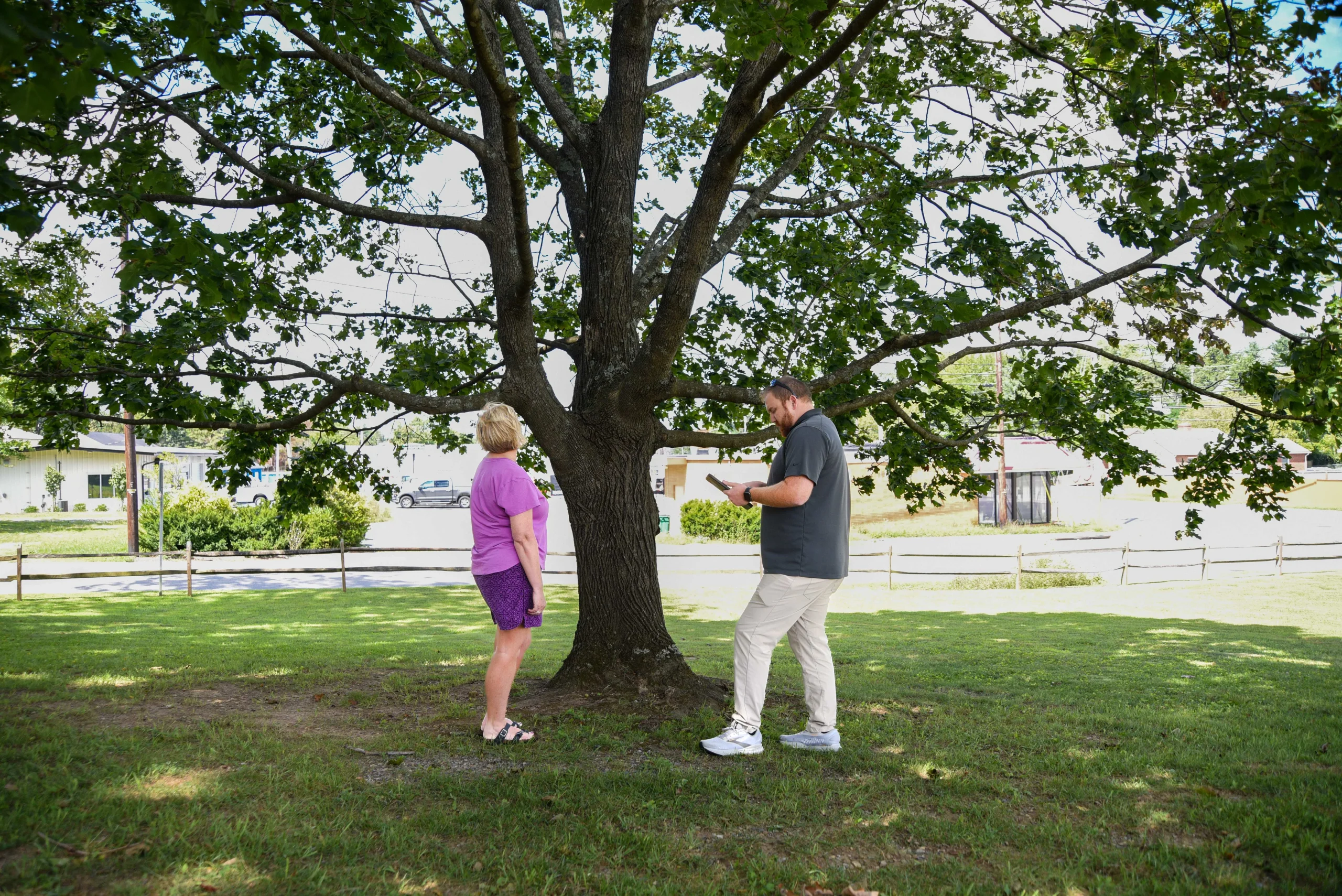
Trunk diameter at breast height (DBH) correlates directly with weight and cutting time. A 30-inch oak requires multiple cuts, section lowering, and more disposal volume than a 10-inch maple. Arborists measure DBH alongside height to calculate the total wood volume and labor hours needed. A Tree removal service in Christiansburgh will assess both dimensions during an on-site evaluation before providing a firm estimate.
What should Virginia homeowners ask about tree removal estimates?
Virginia homeowners should request a detailed breakdown of what a tree removal estimate covers before signing any agreement. A complete quote specifies whether debris removal, stump grinding, and cleanup are included or priced separately. Without this clarity, homeowners risk unexpected charges after work begins.
What specific line items should appear in a tree removal quote?
A professional estimate lists vehicles, equipment, power tools, and staff time required for the job. Some municipalities require permits or fees, and a reputable provider discloses these costs upfront. Homeowners should confirm whether the estimate accounts for site-specific challenges such as limited access, overhead power lines, or proximity to structures.
How can homeowners verify the tree removal service is qualified?
Ask whether the company employs ISA-certified arborists who follow ANSI A300 standards for safe and environmentally responsible tree care. Certified professionals provide honest assessments and targeted treatment plans rather than blanket removal recommendations. For homeowners in the New River Valley, a Tree removal service in Christiansburg offers localized pricing and site-specific evaluations that account for regional soil conditions and tree species.
- Debris removal: Confirm whether hauling and cleanup costs are included or billed separately.
- Equipment access: Ask if the quote accounts for specialized machinery needed for tight spaces.
- Insurance coverage: Request proof of liability and workers’ compensation insurance before work begins.
Understanding tree removal pricing requires asking the right questions about scope, certification, and site conditions. A transparent estimate protects homeowners from surprise fees and ensures the job meets professional safety standards.
Also Read: Professional Tree Removal: A Homeowner’s Guide to Cost, Safety, and Choosing Trusted Experts
How to evaluate tree removal pricing quotes in Virginia?
Comparing multiple quotes is the first step toward understanding fair tree removal pricing in Virginia. Each quote should specify the exact scope of work, including whether stump grinding and debris hauling are included or offered as separate line items. Without this detail, homeowners cannot accurately compare one estimate against another.
What factors should a reasonable quote include?
A well-prepared quote accounts for tree size, location on the property, accessibility for equipment, and the tree’s overall condition. Dead or diseased trees require additional safety precautions, which directly affect the final price. Homeowners should request a written breakdown of these factors to verify that the estimate reflects the specific challenges of their property.
Why does arborist certification matter for pricing?
Tree removal service in Christiansburgh and throughout Virginia should include an assessment from an ISA-certified arborist. Certified arborists provide honest evaluations and targeted care recommendations, ensuring that the quoted work addresses the tree’s actual condition rather than unnecessary services. This certification also indicates adherence to industry safety standards.
- Confirm that the quote includes a site visit and written estimate
- Ask about emergency storm damage pricing and response time availability
- Verify that the provider carries liability insurance and worker’s compensation
Emergency situations may carry different pricing structures. Homeowners should ask about availability for urgent needs and whether after-hours response affects the quoted rate. A transparent provider will explain these variables before work begins.
FAQ
What is the average tree removal cost in Virginia?
The average tree removal cost in Virginia is pricing varies with prices typically ranging from $250 for small trees to $3,700 for larger ones. Height, diameter, and site access determine where a job falls within that range.
What is the difference between cutting down a tree and full removal?
Cutting down a tree means felling it and leaving the material on-site. Full removal includes hauling away all branches, logs, and debris. Full removal costs more because debris cleanup is the most labor-intensive part of the job.
Tree condition, placement, species, and cleanup requirements all influence removal pricing in Virginia. Dead or dying trees, like a dead chestnut oak, present unpredictable structural risks that increase cost due to convergence of multiple high-risk factors.
Conclusion
In closing, tree removal costs in Virginia depend on multiple factors specific to your property and trees. Engaging a certified arborist to assess your situation provides clarity on pricing and ensures the work meets professional standards. All Natural Tree Experts remains committed to delivering transparent evaluations and quality service throughout the New River Valley and Southwest Virginia region.
Schedule Your Free Consultation
📞 Call us: (540) 634-6572
✉️ Email: sales@allnaturaltreeexperts.com
Our Locations
📍 Christiansburg
114 Pepper St SE Suite A, Christiansburg, VA 24073
📍 Roanoke
3154 Brandon Ave SW, Roanoke, VA 24018
📍 Charlottesville
310 Avon St #2, Charlottesville, VA 22902