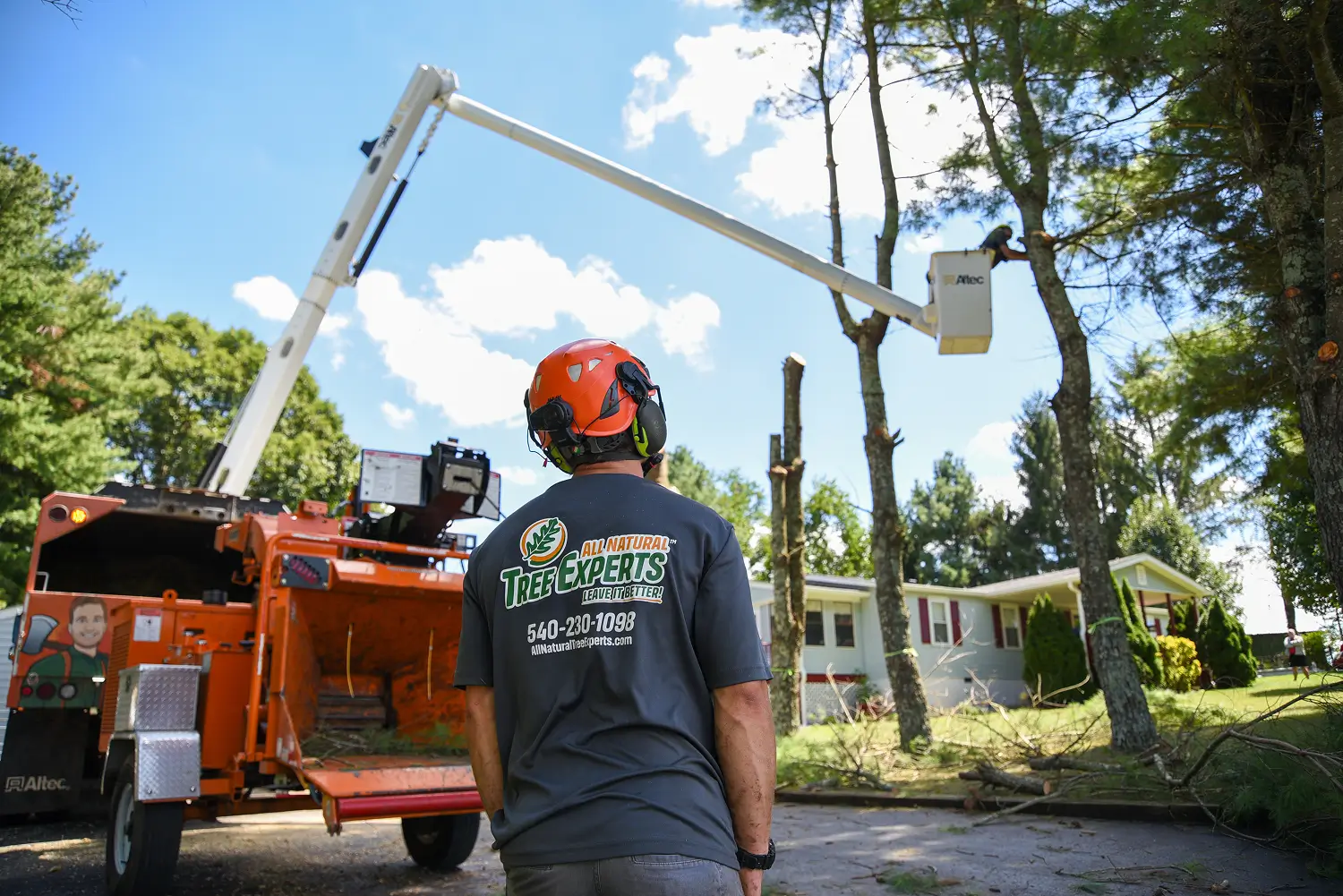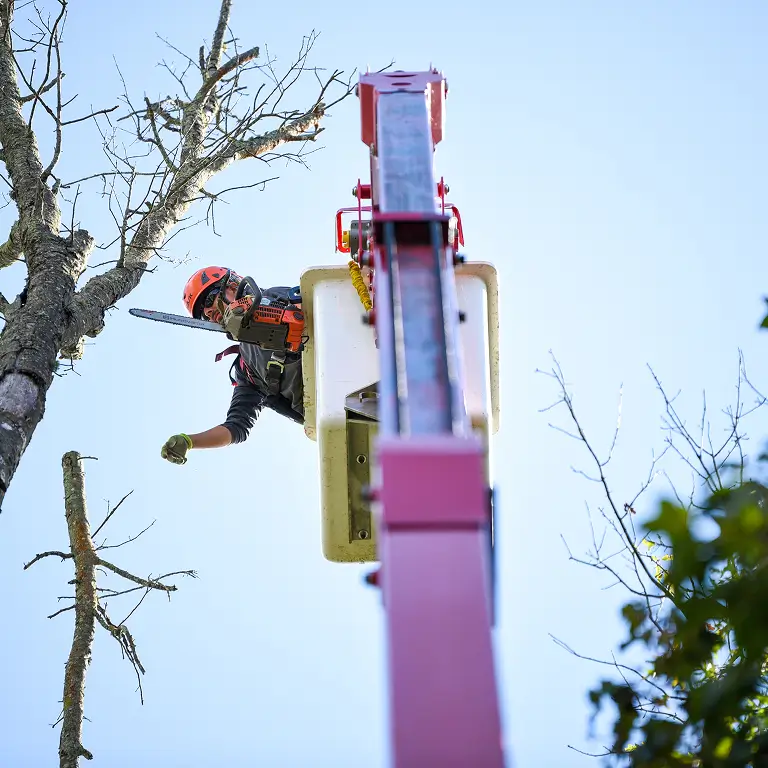
Proper pruning and trimming are the backbone of healthy, attractive trees. Done right, these tasks encourage strong growth, reduce disease risk, and keep your landscape safe. This guide walks you through key pruning techniques, the benefits of regular trimming, and basic safety tips to help you care for your trees. Whether you’re a hands-on homeowner or planning to hire help, understanding these essentials will lengthen your trees’ lives and improve their look. We cover methods, timing, tools, and when to seek professional advice.
What Are the Best Tree Pruning Methods to Promote Tree Health?
Pruning is about guiding a tree’s growth and stopping problems before they start. Different methods suit different species and situations. When applied correctly, proper pruning revitalizes a tree and supports long-term health.
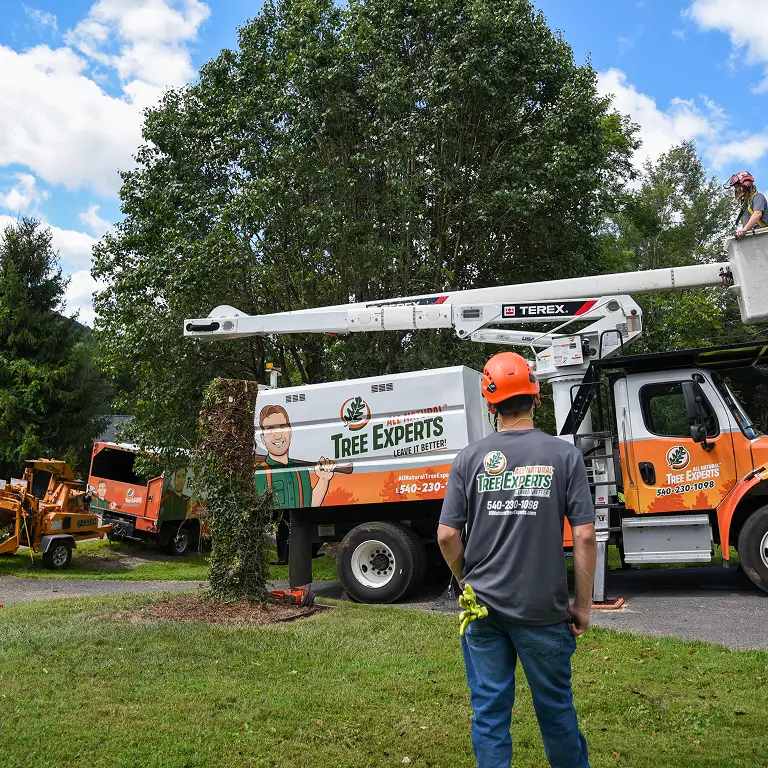
Which Tree Pruning Techniques Are Most Effective for Different Tree Species?
Each species responds best to certain approaches. Here are practical options to consider:
- Selective Pruning: Ideal for trees like oak and maple. You remove specific branches to improve light and airflow without changing the tree’s natural shape.
- Crown Thinning: Works well for birch and pine. This reduces weight and density in the canopy, improving structure and reducing wind damage.
- Tree Topping: Sometimes used to limit size (common with willows), but it stresses the tree and often causes problems. We recommend gentler, long-term shaping techniques instead.
How Do Pruning Methods Improve Overall Tree Health and Longevity?
Correct pruning helps trees resist pests and disease and supports steady growth. Trees that receive regular, appropriate pruning tend to grow more vigorously and live longer. Thoughtful care protects both individual trees and the broader landscape ecosystem.
What Are the Key Benefits of Regular Tree Pruning for Your Property?
Trimming your trees on a schedule boosts appearance, safety, and vitality. It’s a small investment that prevents bigger problems later.
How Does Tree Pruning Enhance Safety and Aesthetic Appeal?
Trimming keeps branches from becoming hazards and helps your trees look their best. Overgrown limbs near power lines or walkways are risky during storms; removing them lowers the chance of damage and injury. A well-kept tree also improves curb appeal and adds value to your property.
What Health Improvements Result from Scheduled Tree Pruning?
Regular pruning delivers several clear health benefits:
- Increased Disease Resistance: Removing dead or infected limbs stops problems from spreading.
- Enhanced Growth Potential: Pruning opens the canopy so sunlight and nutrients reach the parts that need them.
- Optimal Nutrient Distribution: Trimming helps balance foliage and branches so the tree can use resources efficiently.
How Can You Safely Perform Tree Pruning? Essential Pruning Safety Tips
Safety should never be an afterthought. Using the right technique and gear prevents accidents and protects both you and the tree.
What Are the Most Important Safety Precautions When Using Tree Trimming Equipment?
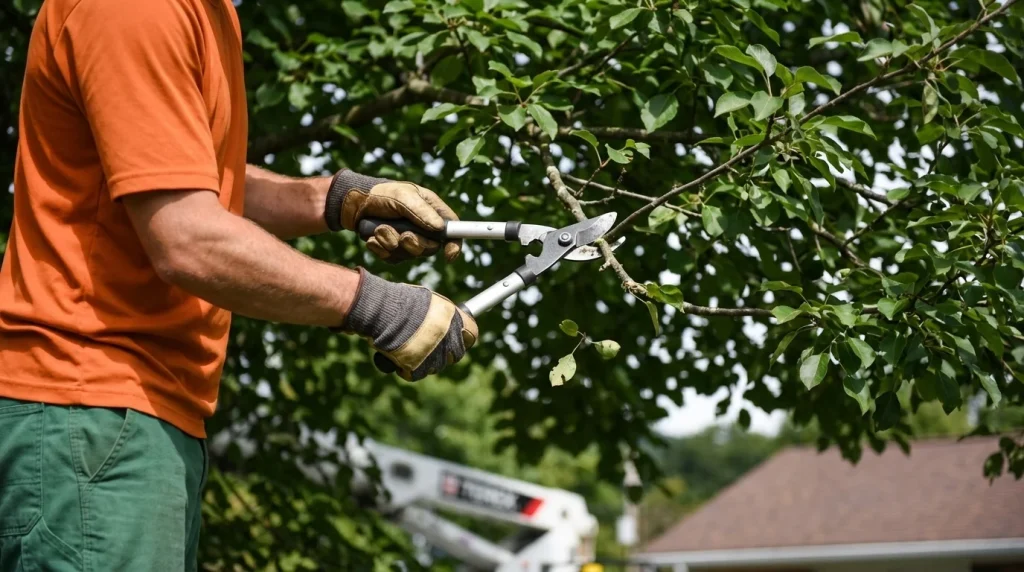
Keep these basic safety rules in mind before you start:
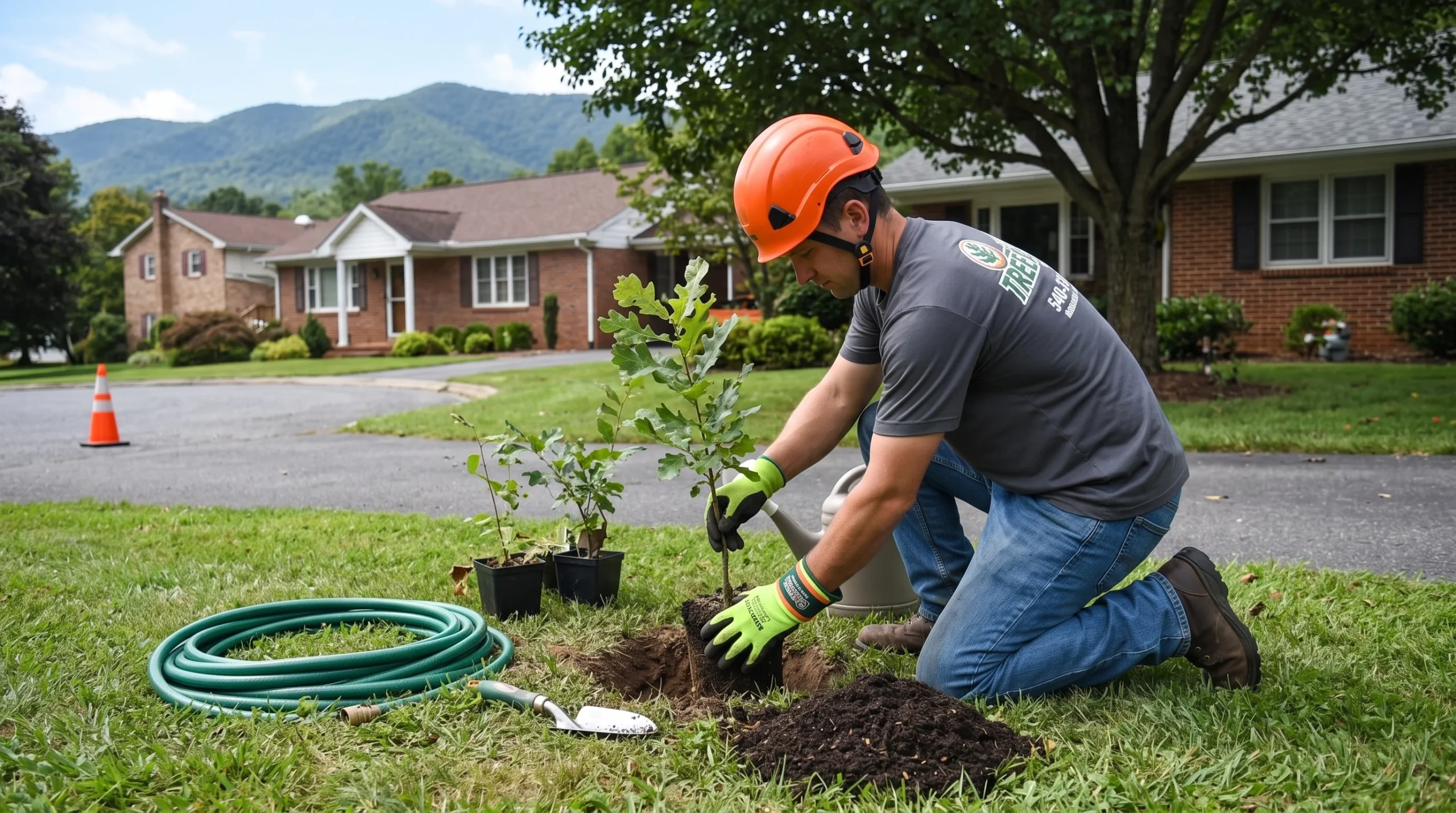
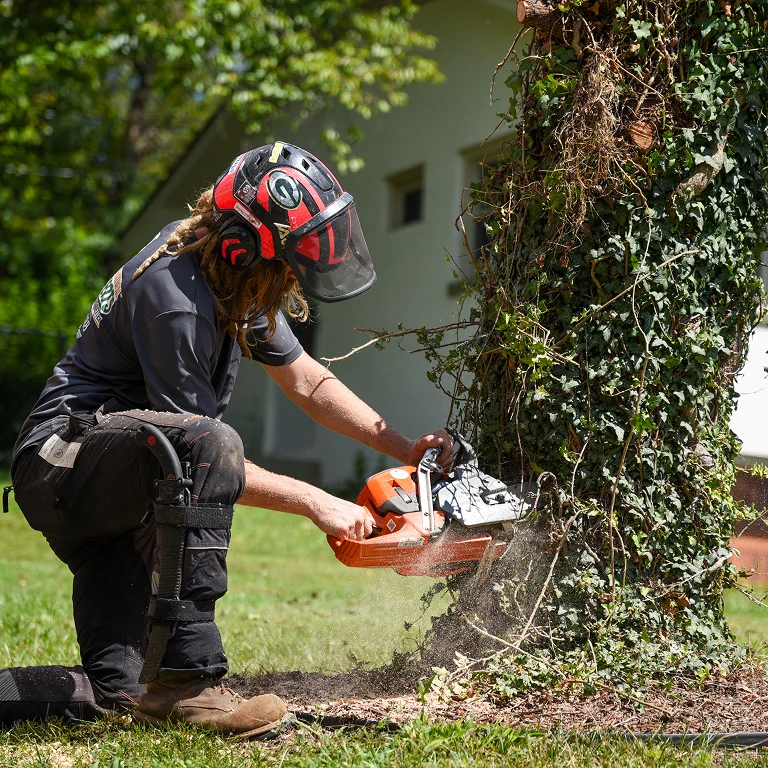
- Wear Protective Gear: Helmets, gloves, and eye protection reduce injury from falling debris.
- Use Proper Equipment: Sharp, well-maintained tools make cleaner cuts and lower the chance of accidents.
- Assess the Environment: Scan for hazards like power lines, unstable limbs, or uneven ground before you climb or cut.
How Do You Identify and Properly Remove Dead or Diseased Branches?
Dead or diseased branches are often brittle, have peeling bark, or display fungus. When you find them, follow these steps:
- Make Clean Cuts: Sharp tools create cuts that heal faster and limit infection.
- Cut at an Angle: An angled cut lets water run off and reduces rot.
- Remove Affected Areas Promptly: Acting quickly helps protect the rest of the tree.
Which Tree Trimming Equipment and Tools Should You Use and Maintain?
The right tools make pruning easier, safer, and more effective. Match your tools to the job for the best results.
What Are the Recommended Pruning Tools and Their Uses?
Common, reliable tools include:
- Pruning Shears: Best for small, precise cuts on thin branches.
- Loppers: Give extra reach and leverage for thicker branches.
- Saws: Necessary for larger limbs and heavier cutting tasks.
How Should You Maintain Tree Pruning Equipment for Optimal Performance?
Keep tools in good shape with these simple steps:
- Clean Tools After Use: Wipe blades with rubbing alcohol to prevent disease spread.
- Sharpen Blades Regularly: Sharp blades reduce tearing and speed healing.
- Inspect Tools Before Use: Look for loose parts or damage to avoid accidents while working.
When Is the Best Time to Prune Trees? Seasonal Tree Care Guidelines Explained
Timing matters. Prune at the right season and you’ll help trees recover faster and remain stronger through storms and stress.
What Are the Optimal Pruning Seasons for Common Tree Species?
General seasonal guidance:
- Spring: Great for many flowering trees like cherry and crabapple — prune after bloom if possible.
- Late Winter: A good time for many deciduous trees while they’re dormant, encouraging healthy spring growth.
- Summer: Useful for light shaping or slowing very vigorous growth.
How Does Seasonal Tree Pruning or Timing Affect Tree Health and Storm Resistance?
Pruning during dormancy reduces stress and helps build stronger branch structure. Trees that are correctly timed for pruning are better prepared to withstand wind, ice, and other weather events.
How Can Professional Tree Trimming Consultations Improve Your Tree Care Routine?
Professionals bring experience and a trained eye. A quick consultation can save time, money, and mistakes down the road.
What Can You Expect from a Free Tree Trimming and Pruning Appointment?
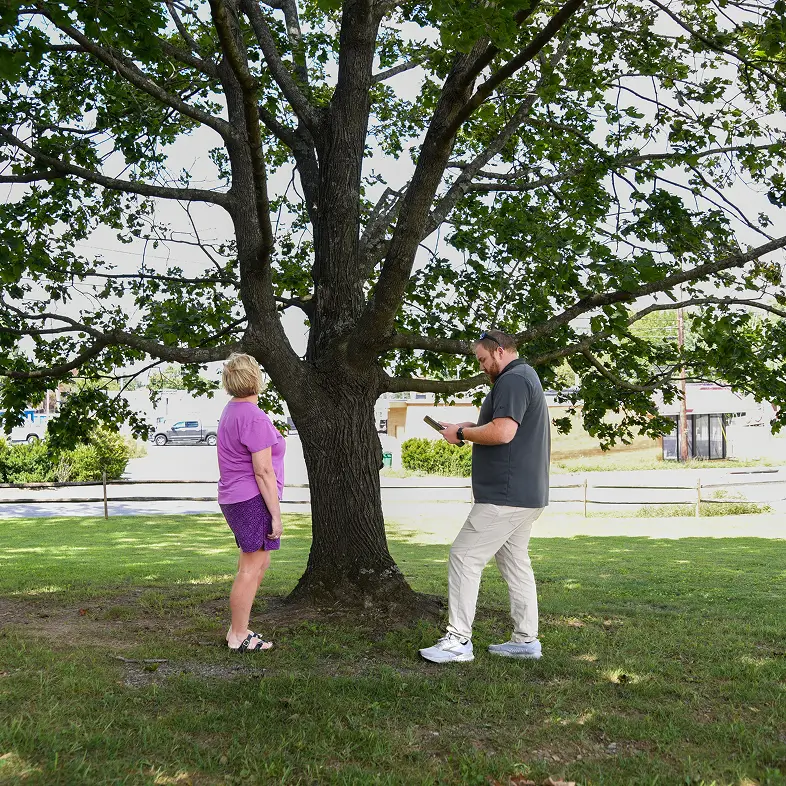
In a consultation, we inspect your trees, explain what they need, and recommend a plan that fits your yard and budget. Our suggestions focus on long-term tree health and safety, and include when to call in an arborist for bigger jobs.
How Do Experts Customize Pruning Plans for Different Environmental Conditions?
We factor in local climate, soil, and site conditions to tailor pruning for each tree. That personalized approach helps trees thrive where they’re planted and keeps your landscape looking its best.
Frequently Asked Questions
What factors should you consider when choosing a tree pruning method?
Think about the tree species, its health, and what you want to achieve — more shade, better structure, or disease control. Also consider the season and nearby structures. The right method depends on these factors and on avoiding techniques that could harm the tree.
How can I tell if my trees are in need of pruning?
Look for crowded or crossing branches, dead limbs, or branches growing toward structures or power lines. If a tree has heavy, downward growth or reduced leaf cover, pruning can help restore balance and safety.
What are the potential risks if I neglect to prune my trees?
Neglected trees can develop weak structures, become prone to disease, and drop branches unexpectedly. Over time, this can lead to greater damage, higher repair costs, and potential safety hazards that might require removal.
Are there specific tools recommended for beginners performing their own tree trimming?
Start with pruning shears for small twigs and loppers for medium branches. A handsaw or pole saw helps with larger limbs. Always pair tools with proper safety gear like gloves and eye protection.
Can tree pruning affect my property’s insurance coverage?
Yes. Insurers expect homeowners to maintain trees to reduce risk. If a poorly maintained tree causes damage, it may affect your claim. Regular pruning shows responsible upkeep and can help protect your coverage.
What are the signs of poor pruning techniques?
Poor pruning shows up as stubbed branches, ragged cuts, or lopsided growth. Dull tools and improper cuts can slow healing and invite disease. If a tree has dieback near cuts or uneven regrowth, it may need corrective care.
Keep Your Trees Healthy for Years to Come
Consistent trimming and thoughtful pruning are the foundation of a long-lasting, beautiful landscape. The right techniques, proper timing, and well-maintained tools make all the difference but knowing when to call in a professional is just as important as the work itself.
At All Natural Tree Experts, our certified arborists specialize in professional tree pruning and trimming services designed to improve the health, structure, and appearance of your trees. Whether you’re dealing with overgrown branches, storm-damaged limbs, or simply want to keep your landscape in peak condition, we’re ready to evaluate your trees and build a personalized care plan that fits your property and your goals.
Don’t wait for a problem to develop; proactive tree care is always easier and more affordable than emergency removal. Let our team help you protect your investment and keep your landscape thriving season after season.
Schedule Your Free Consultation
📞 Call us: (540) 831-3791
✉️ Email: sales@allnaturaltreeexperts.com