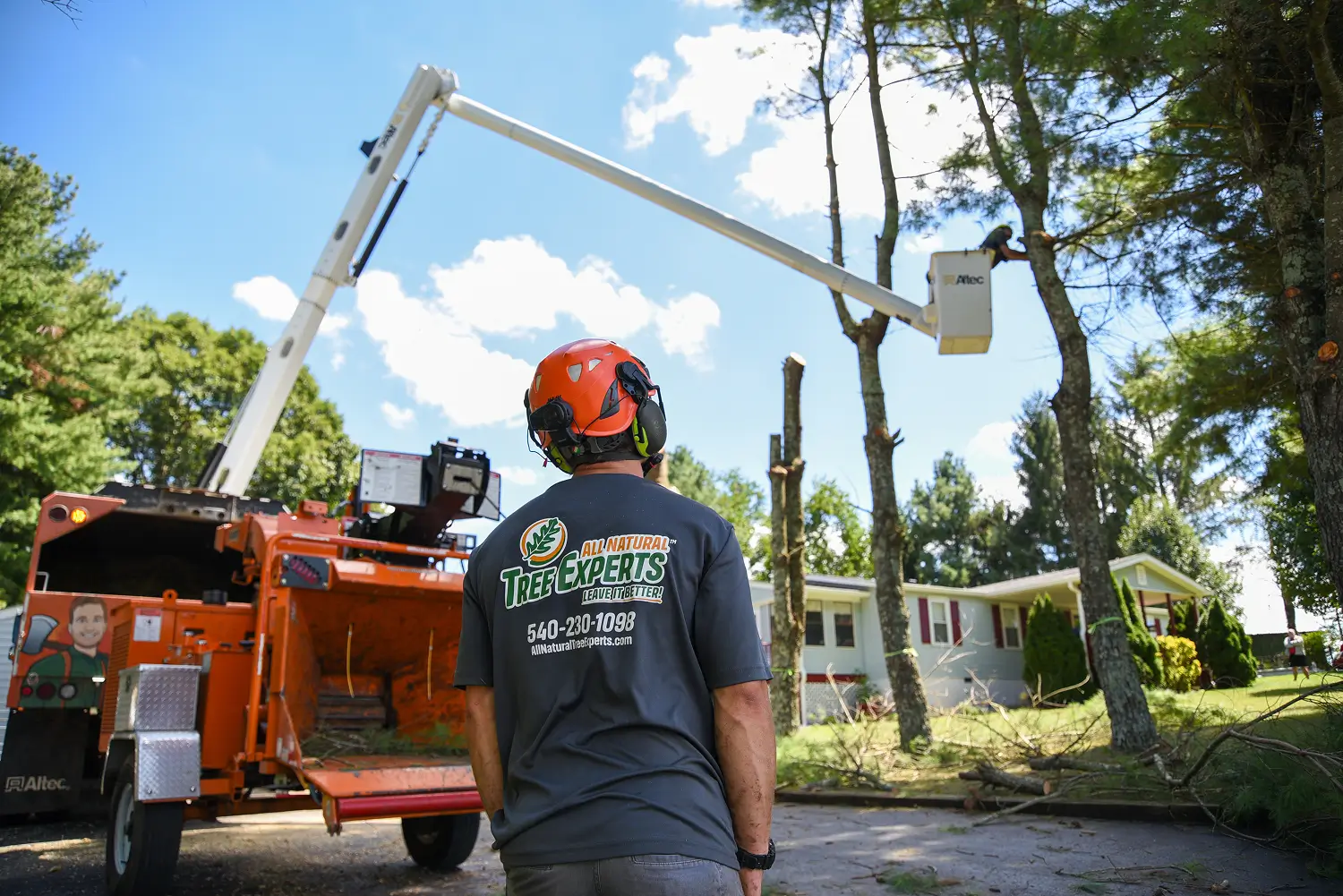
Oak decline, fire blight, and root rot are among the tree diseases most likely to show up on properties across Southwest Virginia. All Natural Tree Experts, based in Christiansburg, treats these conditions with fungicide injections, systemic insecticide treatments, corrective pruning, and when a tree is too far gone, removal, before an infection can spread to healthy trees nearby.
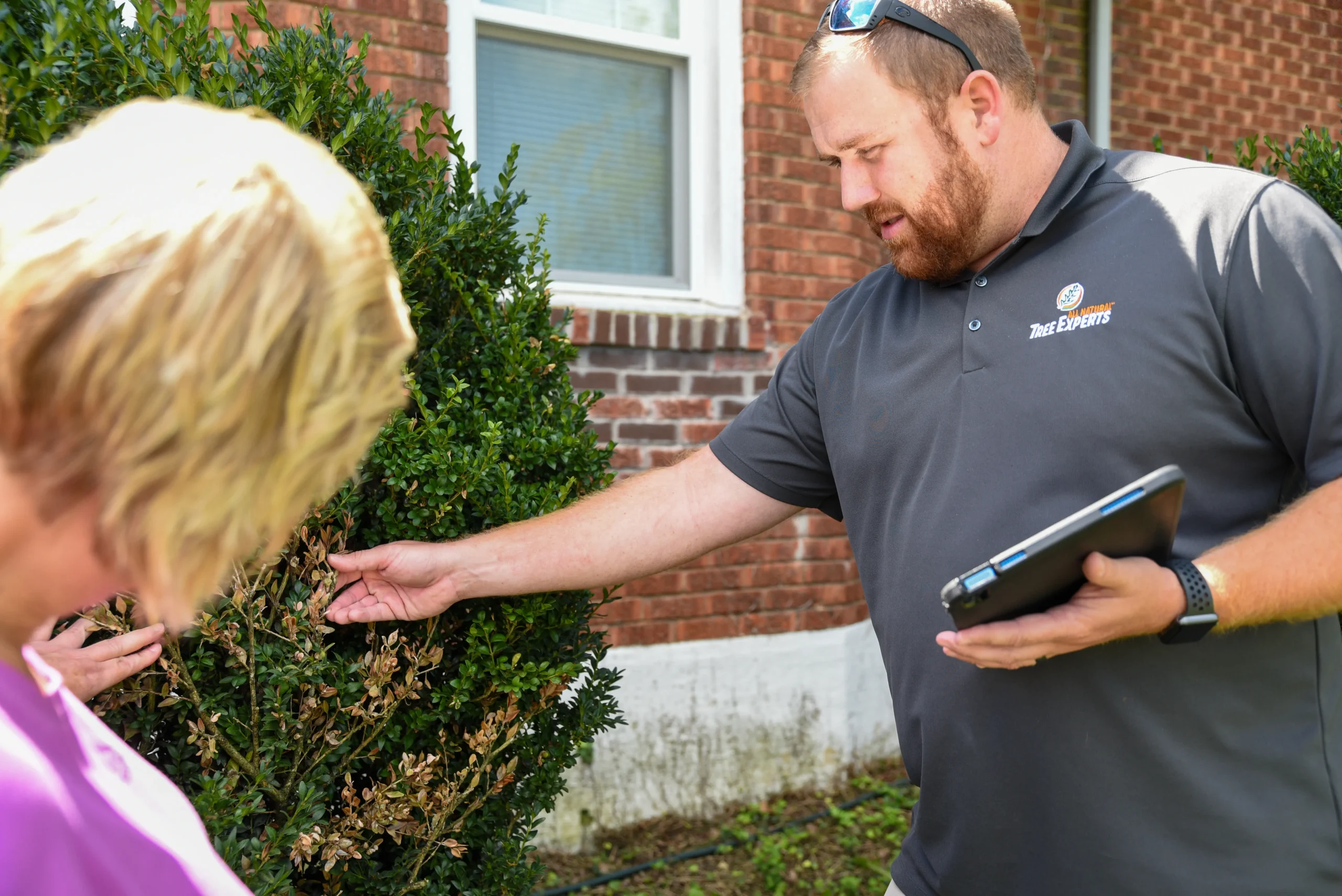
Cedar-apple rust and powdery mildew tend to be the most common headaches for homeowners in the region, stressing ornamentals, hardwoods, and evergreens alike. Treating them usually starts with removing infected foliage, improving the tree’s overall vigor, and bringing in a certified arborist to confirm the diagnosis before applying anything.
Leaf spot, cankers, and anthracnose show up often on trees throughout Southwest Virginia, and the area’s clay-heavy soil and swinging mountain weather tend to make matters worse. If you’re noticing spots, wilting, or dieback on a tree, whether you’re in Roanoke or elsewhere in the region, it’s worth getting a professional opinion rather than guessing. All Natural Tree Experts sends ISA-certified arborists throughout Southwest Virginia for diagnosis and treatment. Call (540) 230-1098 for an assessment.
Key Takeaways
- Stress weakens trees and increases disease susceptibility, so proper care matters for long-term health.
- Tree diseases cost Virginia property owners hundreds of healthy trees every year through infection and spread.
- Cedar-apple rust and powdery mildew are common fungal threats to trees throughout Southwest Virginia.
- A diseased tree can become a breeding ground for fungi and pests that spread to neighboring plants.
Why Are Trees in Southwest Virginia Showing Stress Signs?
Heavy clay soil and unpredictable mountain weather are the two biggest stress triggers for trees across the region, from the Roanoke Valley to the surrounding counties. Combined, these conditions choke root systems, limit water uptake, and leave trees weakened well before any visible symptoms appear.
What Causes Tree Stress Here?
Drought, overcrowding, and damage to a tree’s stem or roots are among the most common environmental triggers that open the door to disease. Clay soil compounds the problem because it drains poorly. Roots drown after heavy rain, then the ground hardens during dry stretches. Mountain weather swings between those extremes quickly, giving trees little time to recover between one stress and the next.
Small warning signs deserve attention rather than dismissal. A handful of unusual leaf spots or a few brittle branches often look minor at first glance. Left unchecked, they can develop into serious problems that end in the loss of a mature shade tree.
Certain species carry known vulnerabilities worth being aware of:
- White oaks: sensitive to root compaction and prolonged drought
- Tulip poplars: prone to dieback under soil stress
- Virginia pines: susceptible to bark and stem damage
- Red maples: vulnerable to root disturbance in wet clay
- Dogwoods: frequently affected by stress-related decline
Should Every Stressed Tree Be Removed?
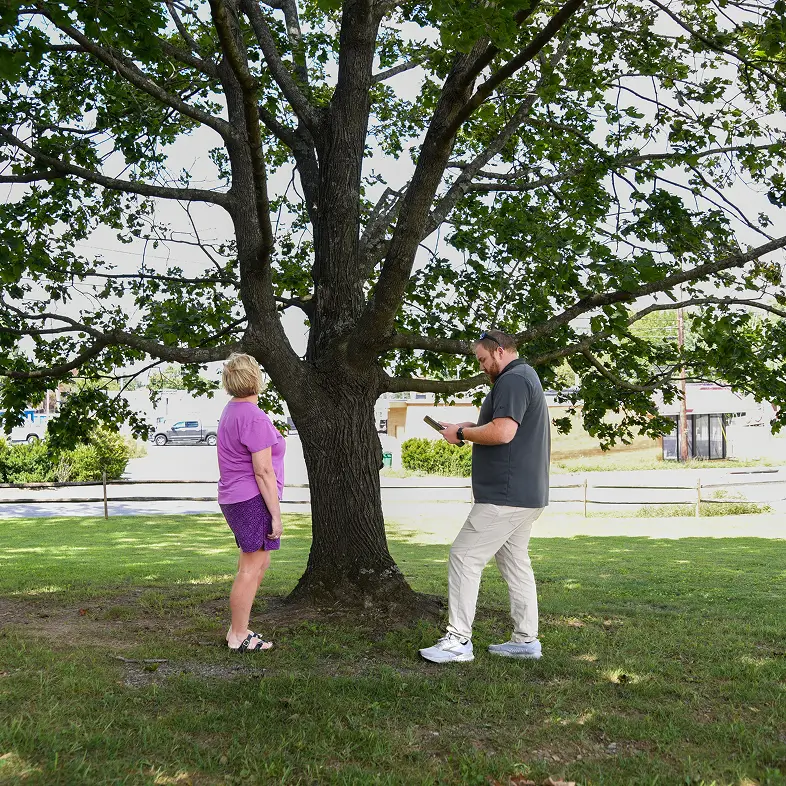
Not necessarily. A tree inspection from a certified arborist can tell whether the damage is cosmetic or structural before anyone decides anything. Routine tree care and an early diagnosis often catch problems while treatment is still realistic, protecting the shade canopy that so many properties in the region rely on.
Also Read: Tree Pruning and Trimming: Simple, Natural Ways to Keep Your Trees Healthy
What Diseases and Pests Commonly Affect Trees in the Region?
Trees across Southwest Virginia face a fairly predictable mix of fungal diseases and invasive insects each growing season, and property owners often don’t notice until damage has already spread through the canopy.
Maples commonly develop tar spot, a fungal condition marked by yellowish blotches or raised black patches that resemble smears of tar. It’s usually cosmetic, but heavy coverage limits photosynthesis and adds stress to a tree that may already be struggling. Powdery mildew looks different. A white, powdery film coats the leaves and won’t scrape off. Shaded yards and low-airflow plantings tend to see more of it than open, sunny lots.
Insects cause their own set of problems. Bagworms spin silk-and-debris bags on evergreens, and arborvitae, junipers, cedars, and Leyland cypress hedges are frequent targets. Left alone, the feeding inside those bags can strip entire branches bare.
How Serious Are These Problems?
Common tree diseases destroy hundreds of healthy trees across Virginia every year. That’s what makes an early inspection so much cheaper than a reactive removal later on.
Should a Homeowner Treat These Issues Alone?
Cosmetic tar spot usually doesn’t need more than raking and disposing of fallen leaves. Bagworm infestations and spreading mildew are a different story. They call for a professional who can confirm the diagnosis and stop the spread before it reaches nearby trees.
Common Tree Threats at a Glance
| Problem | Type | Key Sign |
| Tar spot | Fungal disease | Yellow-to-black tar-like blotches on maple leaves |
| Powdery mildew | Fungal disease | White powder that won’t scrape off |
| Bagworms | Invasive pest | Silk bags on evergreen branches |
A certified arborist can tell the difference between a cosmetic issue and one that threatens a tree’s long-term survival, and guide the right next step.
How Can You Tell If a Tree Is Sick?
A sick tree rarely announces itself with one obvious symptom. Discoloration, a thinning canopy, cracked bark, and dead limbs each signal distress, but those visible clues are usually only part of the picture. Even a handful of spots or marks on the leaves or bark can be an early sign of something capable of spreading across an entire property.
Plenty of homeowners assume a tree with green leaves is safe. That assumption misses a real risk.
Can a Tree Look Healthy and Still Be Dying?
Yes. A tree that looks fine on the outside may already be hollow or structurally weak on the inside, which is why a visual check alone isn’t reliable. Internal decay from disease or old storm damage can progress for years before the canopy shows any change. By the time leaf drop or dieback becomes visible, the tree may already be a safety hazard near a driveway, roofline, or fence line.
What Symptoms Warrant a Professional Look?
A few warning signs justify a closer look rather than a wait-and-see approach:
- Cankers or sunken, discolored patches on the trunk or major limbs
- Wilting leaves during the growing season, especially on one side of the canopy
- Fungal growth, mushrooms, or conks near the base or root zone
- Bark that peels, cracks, or falls away in sections
- Branches that die back from the tips inward
A tree inspection from a certified arborist can identify which of these signs point to something treatable. With the right response early on, infected trees often recover fully without the disease spreading to the rest of the yard.
Should You Treat It Yourself or Call an Arborist?
Minor leaf spots on a maple often respond to simple pruning and cleanup. Cankers, dieback, or a leaning trunk call for professional judgment instead. Homeowner remedies handle cosmetic problems fine; structural or systemic issues need trained eyes. Guessing wrong wastes money and, sometimes, costs the tree.
A certified arborist brings ANSI A300 standards and ISA certification to every diagnosis, using eco-friendly methods that protect the surrounding soil, gardens, and neighboring plants. That training is what separates a guess from a documented diagnosis, and it’s what reliable tree care is built on.
When does a tree problem need a professional instead of a DIY fix? Once symptoms move past the leaves and into the trunk, roots, or canopy structure, it’s time to call someone. Signs include peeling bark with staining, fungal growth at the base, large sections of dead limbs, or a trunk that splits after a storm. A responsible arborist doesn’t recommend removal lightly. A tree that can still recover through treatment should be saved, not cut down.
Can every diseased tree be saved with treatment? No. Some situations don’t leave a safe alternative to removal. A dead standing tree or a storm-split trunk poses a genuine hazard, and in those cases removal is the responsible call rather than waiting to see what happens.
| Situation | Recommended Action |
| Minor leaf spotting, no dieback | Monitor, prune affected leaves |
| Cankers, thinning canopy, root issues | Professional tree disease treatment |
| Dead standing tree or split trunk | Removal |
Property owners throughout Southwest Virginia, from Roanoke to the surrounding counties, rely on this kind of inspect-then-treat approach to keep salvageable trees standing.
Also Read: Professional Tree Removal: A Homeowner’s Guide to Cost, Safety, and Choosing Trusted Experts
What Does Professional Disease Treatment Actually Involve?
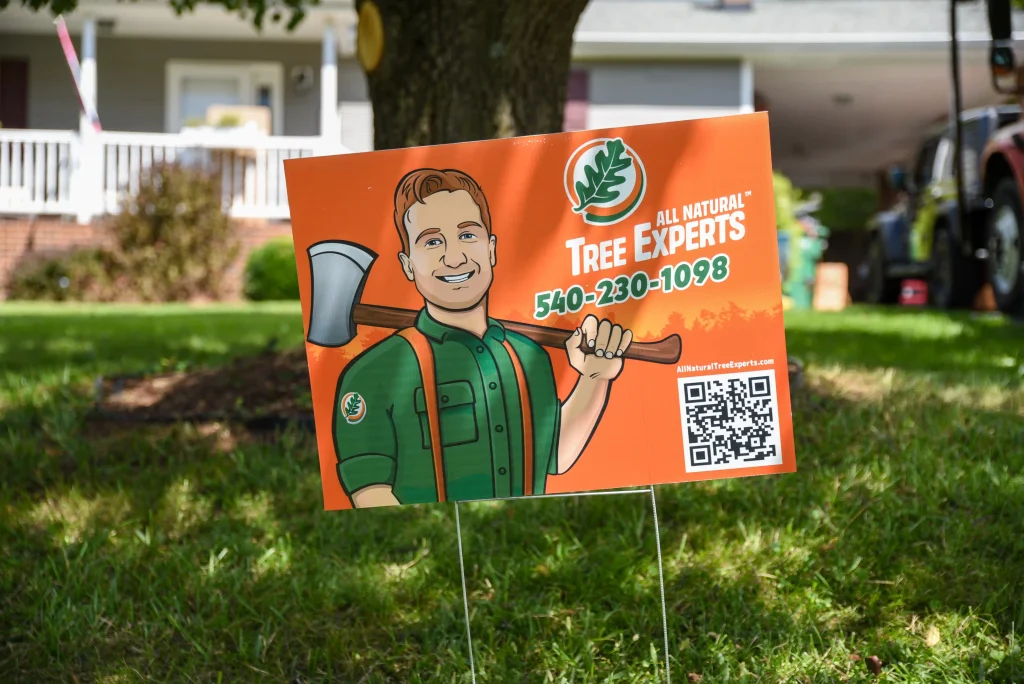
Professional tree disease treatment combines inspection, diagnosis, and targeted intervention rather than a single spray-and-done visit. A certified arborist relies on established techniques and the right equipment to handle inspections, cabling and bracing, and insect and disease management as part of one coordinated plan.
The process starts with an inspection of the property. Diagnosis has to come before treatment. Guessing at a cause wastes time and money. An honest assessment identifies the specific pathogen or pest, then leads to care built for that tree rather than a generic template applied across every yard in the neighborhood.
Does Disease Treatment Cover Storm-Damaged Trees Too?
Often, yes. Southwest Virginia sees its share of storm damage, from wind-uprooted trees to ice storms that crack limbs and branches. Disease-weakened wood tends to fail first in these events, and a tree doctor examining storm damage will often find infection at the root of a broken limb.
What Happens After Diagnosis?
Once a diagnosis is confirmed, treatment moves into action. A typical plan includes:
- Insect and disease management targeted to the confirmed pathogen or pest
- Cabling and bracing for structurally compromised limbs
- Emergency response, available 24/7, for hazardous or storm-related situations property owners shouldn’t handle alone
Tree care doesn’t stop once the immediate problem clears. Ongoing monitoring protects against reinfection, and All Natural Tree Experts’ involvement in local schools, churches, and community events reflects a broader commitment to healthier landscapes across the region. Treatment, in other words, is a relationship rather than a one-time transaction.
Keeping trees healthy across Southwest Virginia takes some vigilance and prompt action once symptoms show up. Early detection and the right treatment, whether that’s pruning, a fungicide application, or ongoing management, go a long way toward protecting a landscape’s structural integrity. Working with certified arborists keeps disease management aligned with established standards, protecting both the trees and the surrounding environment for years to come.
FAQ
What are the most common tree diseases in Southwest Virginia?
Leaf spot, cankers, and anthracnose show up often on trees throughout the region, with cedar-apple rust and powdery mildew ranking among the most damaging problems for hardwoods and evergreens alike.
How do arborists treat these tree diseases?
Treatment usually involves removing infected foliage, improving the tree’s overall vigor, and applying targeted fungicide or pest-control treatments once a certified arborist has confirmed the diagnosis.
Who provides tree disease diagnosis and treatment in the Roanoke and Southwest Virginia area?
All Natural Tree Experts, based in Christiansburg, sends ISA-certified arborists throughout the region, including Roanoke, for tree disease diagnosis and treatment. Call (540) 230-1098 for an assessment.
Don’t Wait Until a Sick Tree Becomes a Serious Problem
Tree disease moves faster than most homeowners expect. What looks like a minor leaf issue in spring can become structural damage, pest spread, or a full removal by fall. The earlier you get a professional opinion, the more options you have, and the more likely you are to save the tree.
All Natural Tree Experts serves homeowners and property owners throughout Southwest Virginia with ISA-certified arborists, honest assessments, and treatment plans built around your specific trees and site conditions. We’re local, we’re certified, and we’re ready to help.
Schedule Your Free Consultation
📞 Call us: (540) 634-6572
✉️ Email: sales@allnaturaltreeexperts.com
Our Locations
📍 Christiansburg
114 Pepper St SE Suite A, Christiansburg, VA 24073
📍 Roanoke
3154 Brandon Ave SW, Roanoke, VA 24018
📍 Charlottesville
310 Avon St #2, Charlottesville, VA 22902