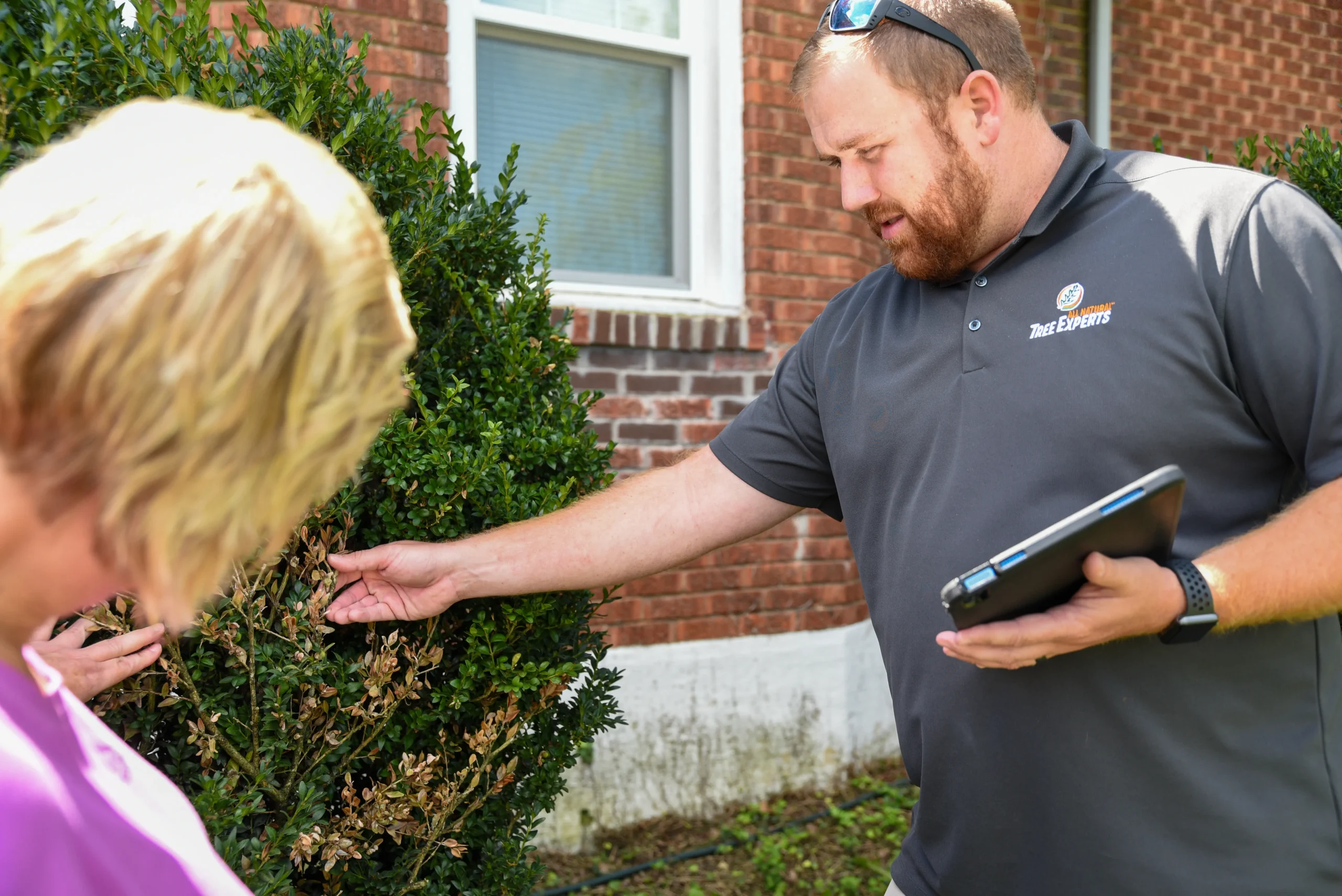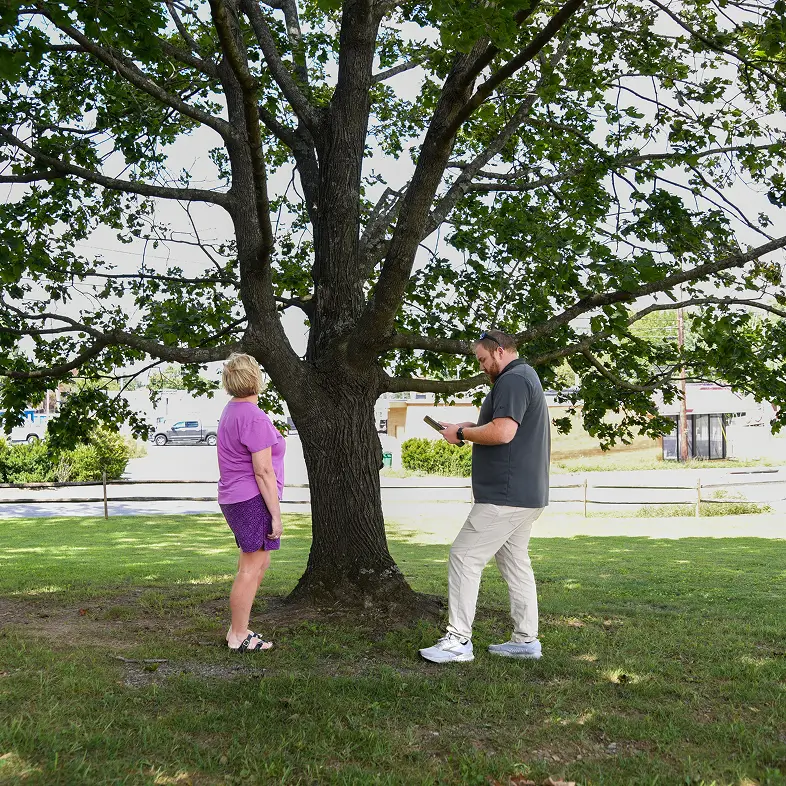
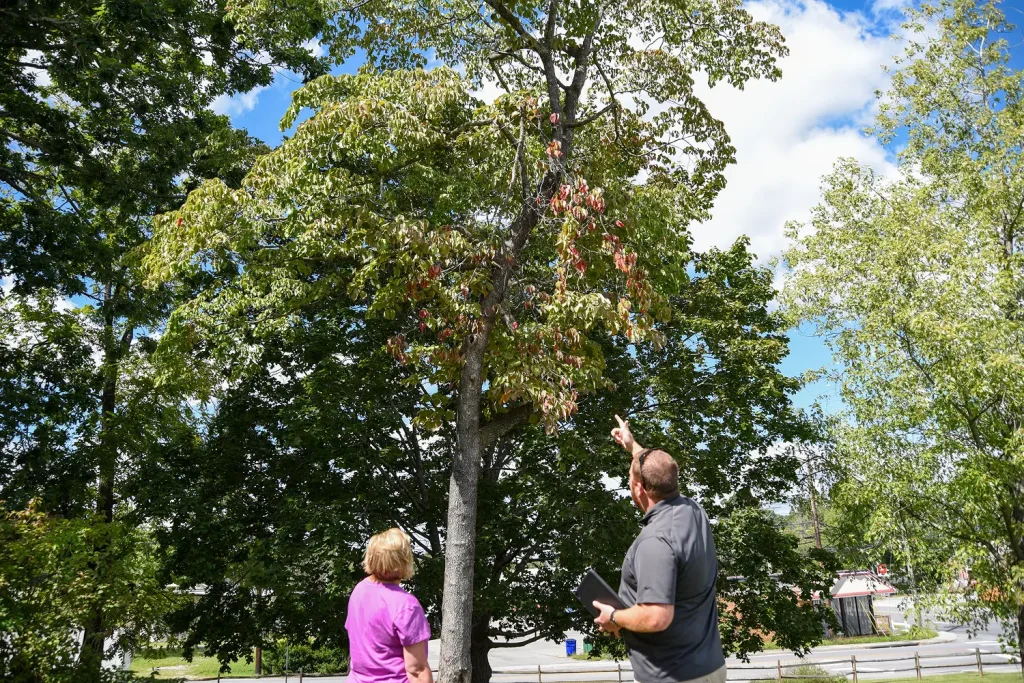
Trees can show signs of stress long before a serious pest infestation or disease becomes obvious. Yellowing leaves, thinning branches, unusual growth, sticky residue, holes in bark, and premature leaf drop can all indicate that something is affecting the health of a tree.
The challenge is that many tree problems look similar. Drought stress can resemble disease, while insect feeding can cause symptoms that look like nutrient deficiencies. Virginia Cooperative Extension notes that diagnosing plant problems requires looking at several factors, including the tree species, growing conditions, weather, insects, diseases, and other environmental stresses.
For homeowners searching for Tree Services in South West Virginia, understanding the warning signs can help determine when a tree needs closer inspection. Early identification does not always mean a tree can be saved, but it can provide more options for management before a problem becomes more extensive.
1. Leaves Are Suddenly Yellowing, Browning, or Dropping
Changes in foliage are among the easiest tree health problems to notice.
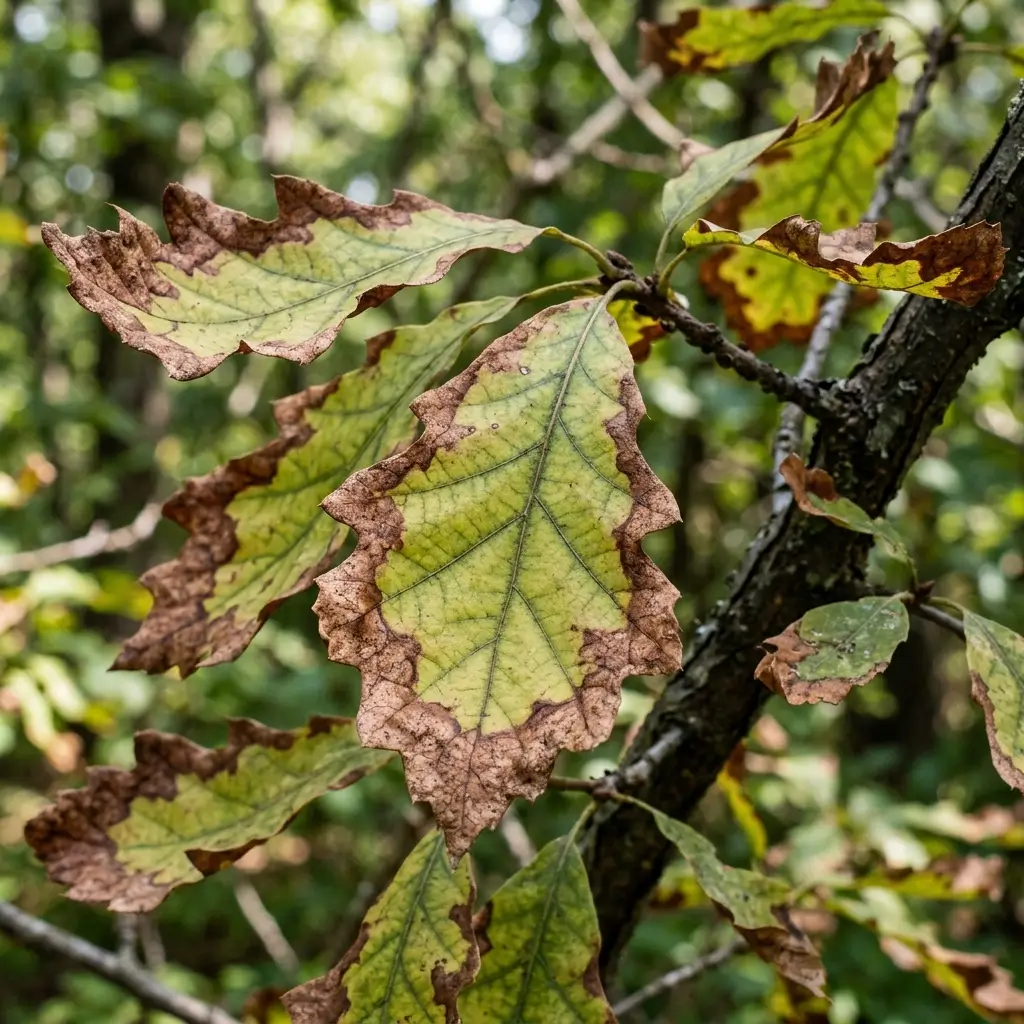
A few discolored leaves are not necessarily a sign of disease. Seasonal changes, drought, transplant stress, root damage, excessive moisture, and nutrient problems can all affect foliage. However, widespread or repeated discoloration deserves attention, especially when it occurs outside the tree’s normal seasonal pattern.
Look for:
- Yellowing between leaf veins
- Brown or scorched leaf margins
- Irregular dark spots
- Premature leaf drop
- Leaves becoming smaller than normal
- Defoliation concentrated on certain branches
Bacterial leaf scorch is one example that can produce brown or scorched-looking leaf margins. In Virginia, it is particularly associated with oak, elm, and sycamore. Because its symptoms can resemble drought and other water-related problems, laboratory testing may be necessary for confirmation.
2. You Notice White, Cottony Material on a Hemlock
If you have eastern hemlock or Carolina hemlock, inspect the undersides and bases of the needles.
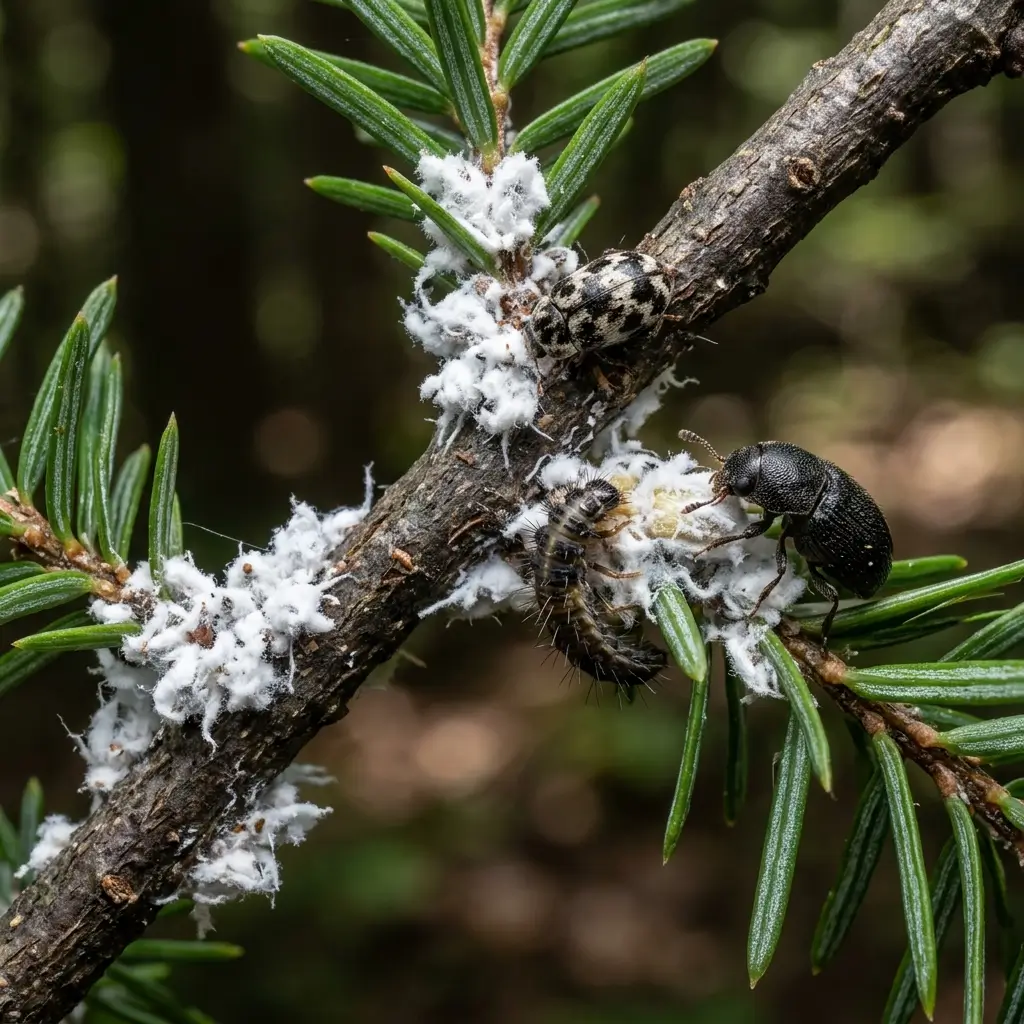
Hemlock woolly adelgid produces small white, cotton-like or waxy masses around the bases of needles. These insects feed on the tree and can reduce vigor, cause premature needle loss, and eventually lead to severe decline.
Virginia has dealt with hemlock woolly adelgid for decades, and Virginia Tech identifies the insect as a significant threat to hemlocks.
The important point is that white material on a tree is not automatically a disease. Correct identification matters because different pests require different management approaches.
3. You Find D-Shaped Exit Holes or Bark Cracks on an Ash
Emerald ash borer is a particularly important concern for ash trees in Virginia.

The larvae feed beneath the bark and tunnel through the tree’s cambial tissues. Early infestations can be difficult to notice. As damage progresses, homeowners may see canopy thinning, branch dieback, bark cracks, epicormic shoots, or other signs of decline.
Emerald ash borer attacks ash species found in Virginia, and the insect is widespread throughout the state.
If an ash tree is showing several of these symptoms, an inspection can help determine whether an insect infestation is involved and whether management or removal should be considered.
4. You See Small Bags Hanging From the Branches
Those small brown or gray bags attached to branches may be bagworms.
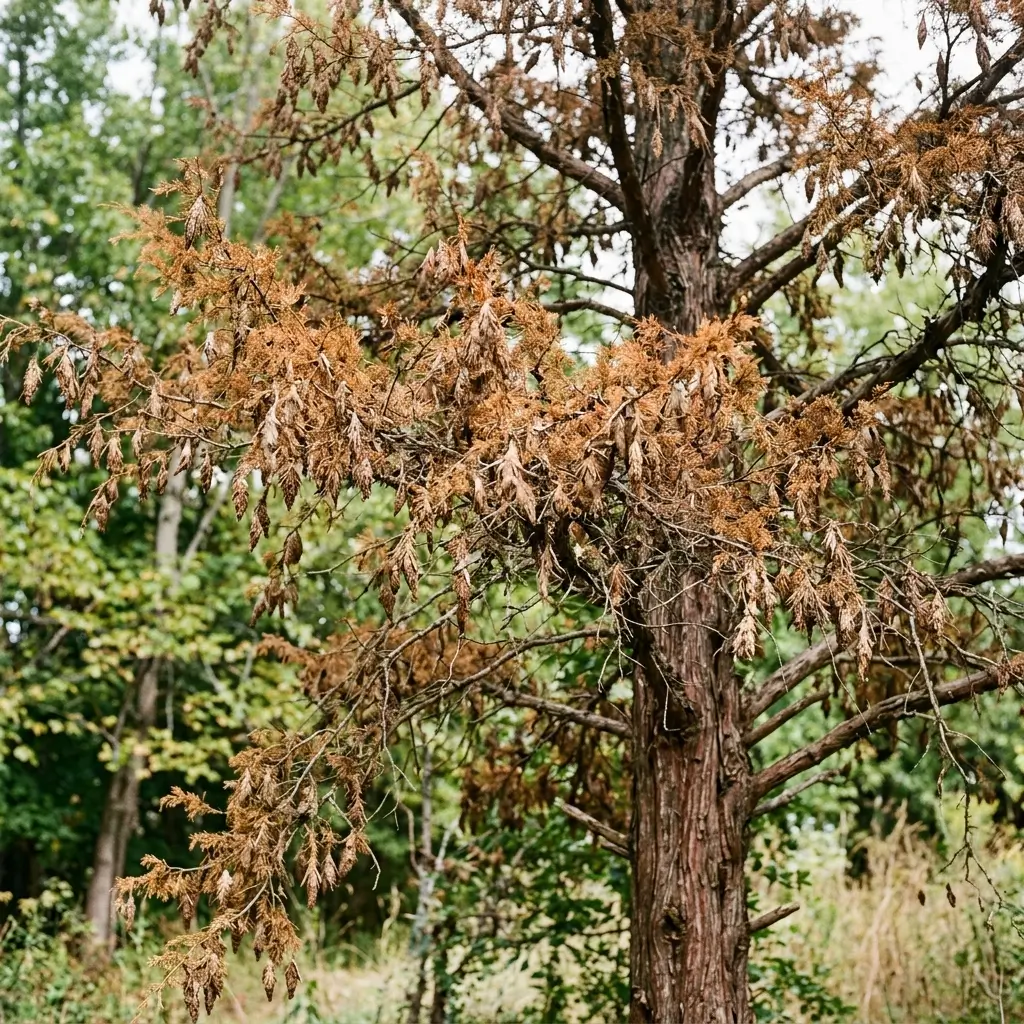
Bagworms are caterpillars that build protective cases using silk and pieces of plant material. They can feed on a wide range of landscape trees and shrubs, including juniper, arborvitae, cedar, pine, hemlock, spruce, crabapple, maple, and other plants.
Light infestations may be easy to overlook. Heavy populations can strip foliage from branches, and repeated severe infestations can contribute to branch dieback and decline.
Virginia Cooperative Extension recommends monitoring for bagworms and addressing them while the larvae are young. Physically removing bags during fall, winter, or early spring can also reduce future populations when practical.
5. Sticky Leaves, Sooty Mold, or Clusters of Small Insects Appear
Sticky foliage can be a clue that sap-feeding insects are present.

Aphids and some scale insects produce honeydew while feeding. Honeydew is a sugary substance that can accumulate on leaves, branches, vehicles, sidewalks, and other surfaces beneath an affected tree. Sooty mold may then grow on the honeydew, creating a black coating.
Aphids are commonly found in clusters around tender shoots and the undersides of leaves. Curling or distorted foliage may also occur.
Scale insects can be more difficult to identify because many species remain relatively stationary and resemble small bumps, shells, or waxy coverings on twigs and branches.
Virginia has more than 150 types of scale insects, including both armored and soft scales. Heavy infestations can reduce tree vigor and contribute to twig and branch dieback.
6. Branches Are Dying Back From the Tips
Branch dieback can have several causes, including insects, fungal diseases, drought, root problems, winter injury, and physical damage.
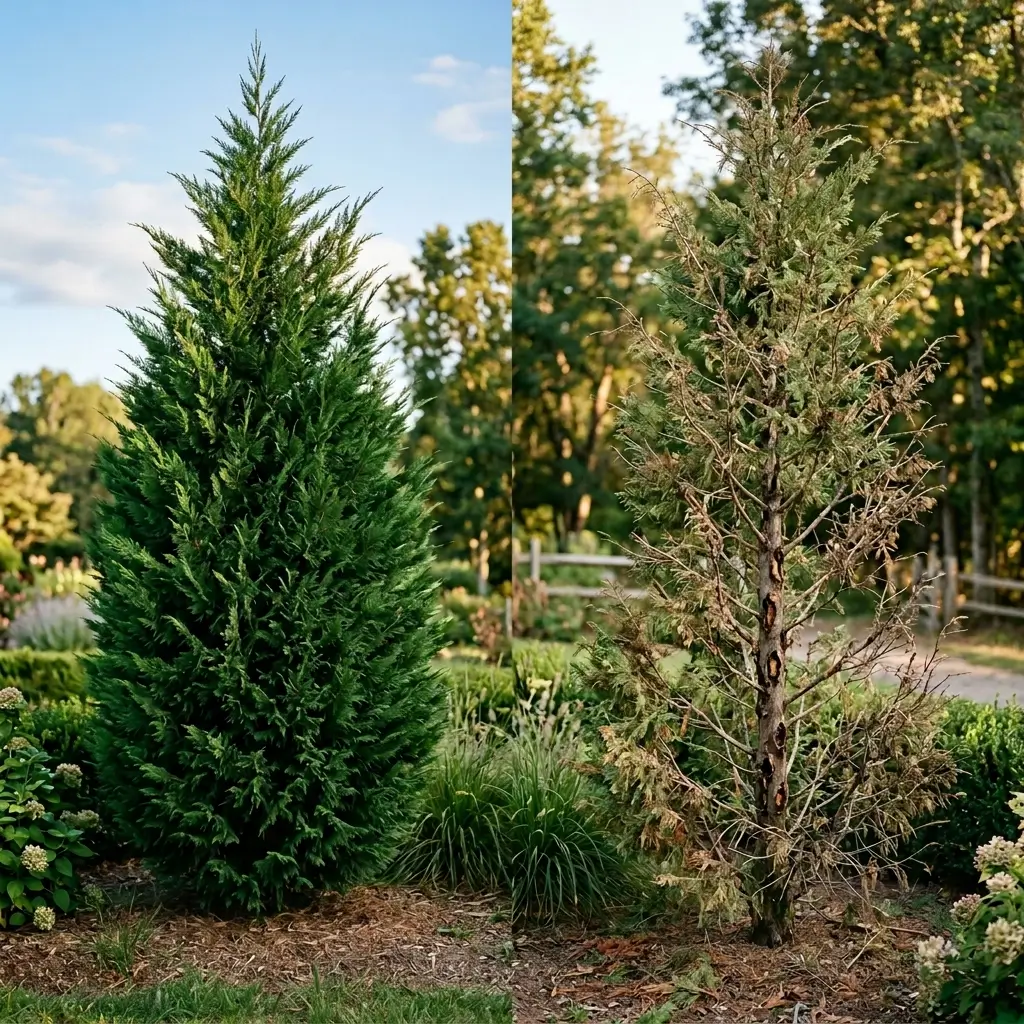
Seiridium canker is one disease associated with Leyland cypress and other susceptible conifers. Virginia Tech plant disease resources identify Seiridium canker as a recurring problem on Leyland cypress, where it can cause branch dieback and, in severe situations, contribute to death of the tree.
Cankers may appear as damaged, discolored, or sunken areas on branches or stems. Dead branches should not automatically be assumed to have a particular disease, however. Several pathogens and environmental stresses can produce similar symptoms.
A professional assessment is useful when dieback is progressing, especially when it involves major limbs or the main trunk.
7. Leaves Develop Dark Spots After Cool, Wet Weather
Anthracnose is a group of fungal diseases that affects numerous shade trees.
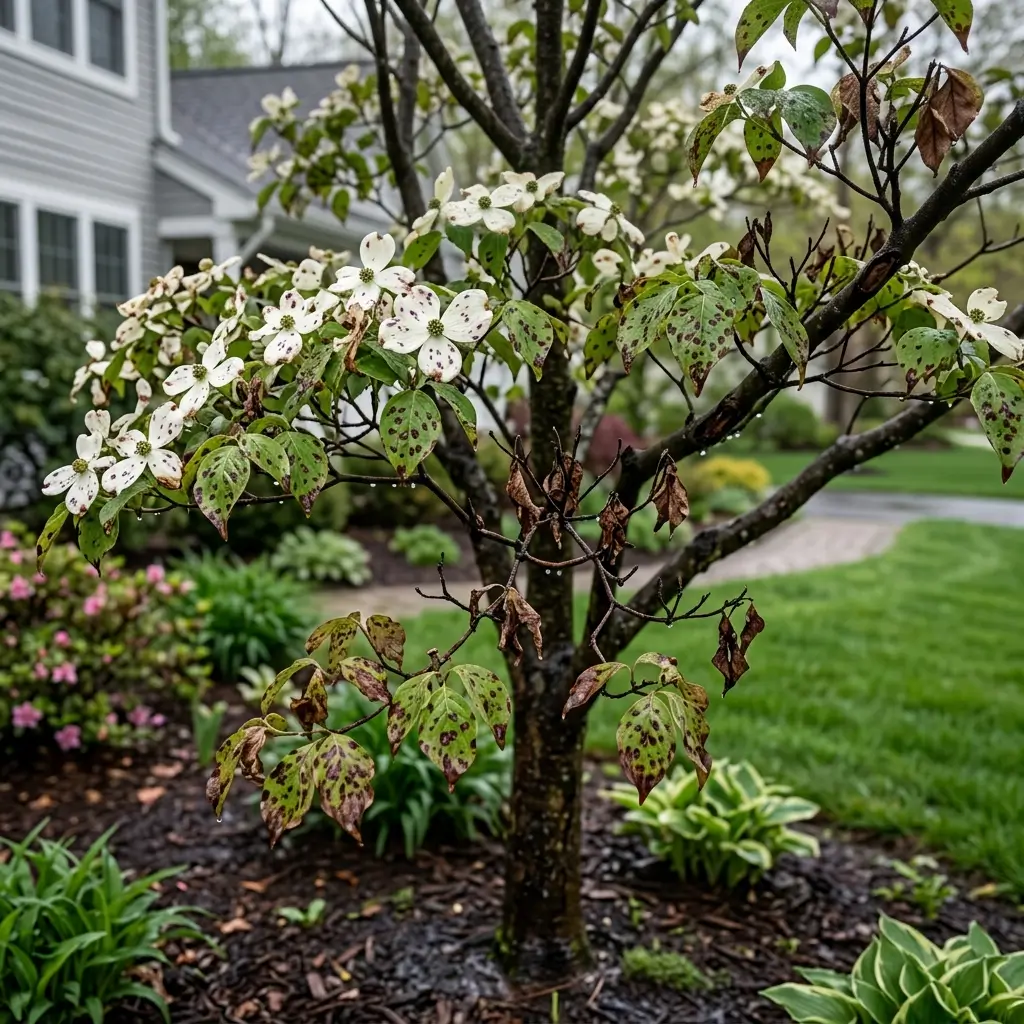
Virginia Cooperative Extension reports that anthracnose is commonly observed during cool, wet spring and early summer conditions. Depending on the tree species, symptoms can include irregular brown or black leaf lesions, premature leaf drop, dead buds, twig dieback, and cankers.
Sycamore, oak, elm, maple, walnut, birch, and hickory can all experience anthracnose-related problems.
One season of anthracnose does not necessarily mean a tree is in serious danger. Repeated defoliation, however, can reduce growth and increase stress. Management often focuses on sanitation, pruning of affected dead material, improved air circulation, and maintaining overall tree health.
8. Fruit Is Rotting, Falling Early, or Developing Spots
Fruit trees have their own set of pest and disease concerns.

Apples, peaches, cherries, plums, and other fruit trees can be affected by fungal and bacterial diseases. Brown rot, for example, is an important disease of peaches and nectarines in Virginia and can also affect cherries, plums, and apricots.
Watch for:
- Brown or rapidly expanding fruit rot
- Shriveled fruit that remains attached to branches
- Blossom or shoot dieback
- Cankers
- Leaf spotting
- Premature fruit drop
- Repeated loss of fruit during wet weather
Common fruit tree diseases can be influenced heavily by weather, sanitation, pruning, cultivar selection, insect activity, and previous disease pressure. Removing infected or mummified fruit and maintaining appropriate pruning and sanitation practices can help reduce sources of infection.
9. The Tree Has Cankers, Cracks, or Unusual Wounds
A canker is an area of diseased or damaged tissue on a branch or trunk. Cankers can be associated with fungi, bacteria, environmental stress, mechanical injuries, or combinations of factors.
The presence of a canker does not automatically mean the entire tree is dying. Its location matters.
A small canker on a minor branch may be very different from a large, expanding defect on the trunk or a major structural limb.
Pay particular attention to:
- Sunken bark
- Cracked bark
- Discolored areas
- Resin or sap flowing from damaged areas
- Dead branches above a canker
- Repeated canker development
Trees under drought or other environmental stress can also become more susceptible to opportunistic pathogens.
10. You See Increased Pest Activity Around the Tree or Property
Not every pest problem starts in the canopy.
Property owners may notice increased insect activity around trees, shrubs, mulch, grass, or outdoor living areas. Fleas and ticks are not tree diseases, but they are important pests to consider as part of broader landscape and outdoor pest management.
For trees specifically, the more useful warning signs include repeated insect activity, feeding damage, egg masses, webs, holes, honeydew, unusual bark activity, and declining foliage.
Spotted lanternfly deserves particular attention in Virginia. The invasive insect feeds on many plants, including fruit trees and hardwoods, and heavy feeding can result in honeydew and sooty mold. Virginia’s spotted lanternfly quarantine was repealed in March 2025, but the Virginia Department of Agriculture and Consumer Services continues to monitor the pest and provides management information.
Common Virginia Tree Pests and Diseases at a Glance
| Pest or Disease | Common Warning Signs | Trees or Plants Commonly Affected | Why It Matters |
|---|---|---|---|
| Spotted Lanternfly | Large insect populations, honeydew, sooty mold | Fruit trees, maples, hardwoods and many other hosts | Heavy feeding can stress plants and create sooty mold |
| Hemlock Woolly Adelgid | White cottony masses, needle loss, thinning canopy | Eastern and Carolina hemlock | Can cause severe decline and tree mortality |
| Emerald Ash Borer | Bark cracks, canopy thinning, branch dieback | Ash trees | Larval tunneling damages vascular tissues |
| Bagworms | Numerous cone or spindle-shaped bags, defoliation | Conifers and many deciduous trees | Heavy infestations can cause severe defoliation |
| Aphids | Curled leaves, clusters of insects, honeydew | Many ornamental and landscape trees | Heavy feeding can reduce vigor |
| Scale Insects | Small bumps, waxy coverings, yellowing, sooty mold | Many trees and shrubs | Chronic infestations can cause decline and dieback |
| Seiridium Canker | Branch dieback and cankers | Particularly Leyland cypress | Can cause progressive dieback |
| Anthracnose | Brown or black leaf lesions, premature leaf drop | Oak, sycamore, maple, elm and others | Repeated defoliation can stress trees |
| Bacterial Leaf Scorch | Brown leaf margins, progressive scorch | Oak, elm, sycamore and others | Can be serious and requires accurate diagnosis |
| Fruit Tree Diseases | Fruit rot, leaf spots, blossom or shoot damage | Apple, peach, cherry, plum and others | Can reduce fruit quality, yield, and tree health |
What Should You Do When You Notice These Signs?
The first step is identification, not automatically applying a pesticide or fungicide.
Different pests and diseases can produce similar symptoms. For example, brown leaf margins may result from bacterial leaf scorch, drought stress, root problems, or other factors. Likewise, black material on leaves may be sooty mold associated with honeydew-producing insects rather than a primary leaf disease.
A practical inspection should consider:
- Tree species: Different trees have different pest and disease vulnerabilities.
- Location of symptoms: Determine whether damage is concentrated on leaves, twigs, branches, trunk, or roots.
- Timing: Note when the symptoms first appeared and whether they occur every year.
- Weather conditions: Drought, excessive rain, heat, and prolonged leaf wetness can influence tree problems.
- Pest evidence: Look for insects, egg masses, bags, holes, honeydew, webbing, or unusual bark activity.
- Pattern of damage: Determine whether one tree is affected or multiple trees are showing similar symptoms.
This type of inspection is an important part of insect and disease management because treatment should be based on the actual problem rather than a guess.
When to Consider Professional Tree Care
Professional evaluation can be especially useful when symptoms are spreading, large branches are dying, a major trunk defect is present, or the identity of the pest or disease is unclear.
A qualified tree care professional can inspect the canopy, branches, trunk, and surrounding conditions and determine whether pruning, monitoring, pest management, disease management, or another course of action is appropriate.
For homeowners comparing Tree Services in South West Virginia, look beyond a simple treatment recommendation. Ask whether the provider can explain what was observed, what evidence supports the diagnosis, what treatment options are available, and whether follow-up monitoring is appropriate.
The goal should be informed tree care rather than treating every discoloration as an emergency.
Protect Your Trees With All Natural Tree Experts
When you notice unusual insects, declining foliage, dead branches, or signs of disease, getting the problem identified early can make tree care decisions more straightforward. All Natural Tree Experts provides tree care services that can include inspection and management of insect and disease concerns affecting landscape trees.
Whether the issue involves aphids, scale insects, bagworms, spotted lanternfly, hemlock woolly adelgid, emerald ash borer, cankers, anthracnose, bacterial leaf scorch, or fruit tree disease symptoms, accurate identification is an important starting point.
If you are looking for Tree Services in South West Virginia, All Natural Tree Experts can evaluate the condition of your trees and help determine what type of care may be appropriate based on the tree, symptoms, and site conditions.
Schedule Your Free Consultation
 Call us: (540) 634-6572
 Email: sales@allnaturaltreeexperts.com
Our Locations
 Christiansburg
114 Pepper St SE Suite A, Christiansburg, VA 24073
Roanoke
3154 Brandon Ave SW, Roanoke, VA 24018
Charlottesville
310 Avon St #2, Charlottesville, VA 22902