Stop Fungal Growth with Our Anthracnose Tree Disease Treatment
Treat the tree infected by Anthracnose before it destroys your whole yard. Reach out to us now, and we will help you restore tree health, prevent the spread, and save your landscape from damage.
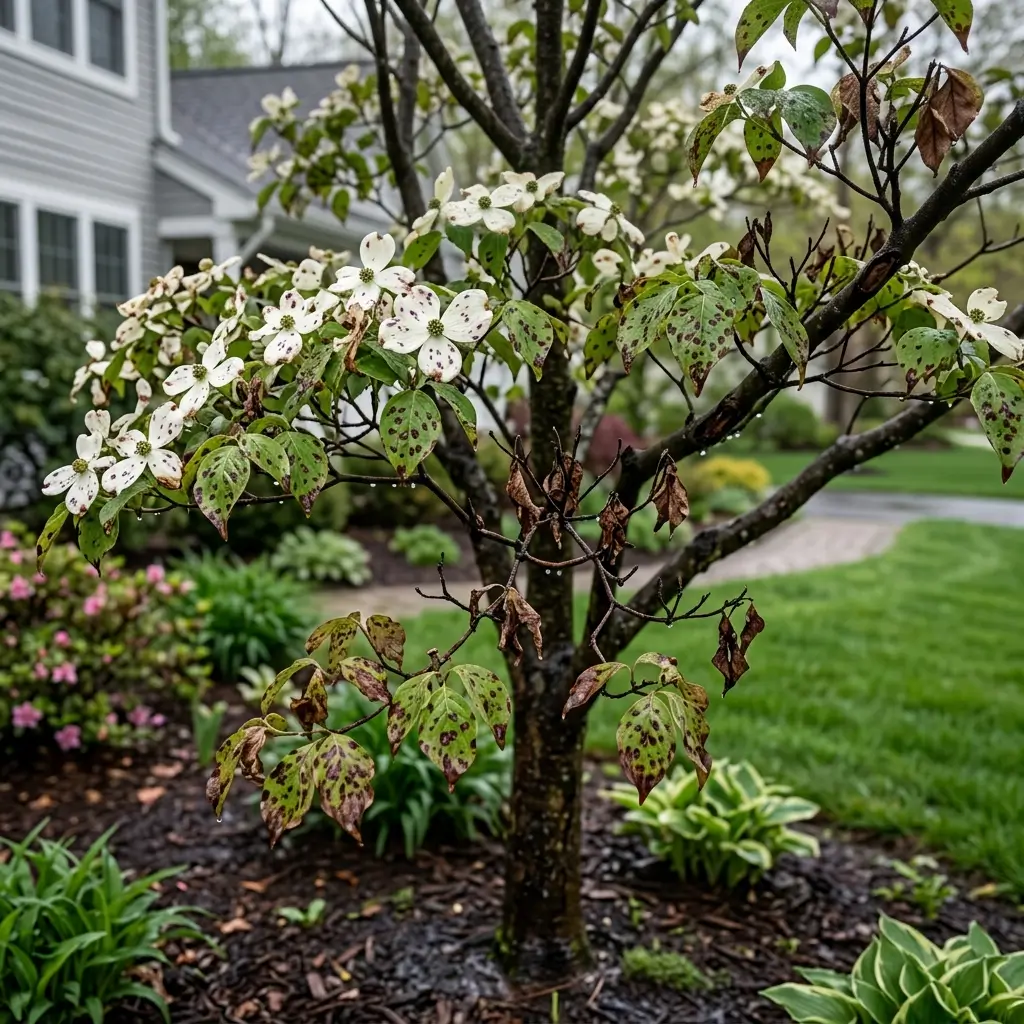
What Is Anthracnose Tree Disease and Why You Should Treat It Quickly?
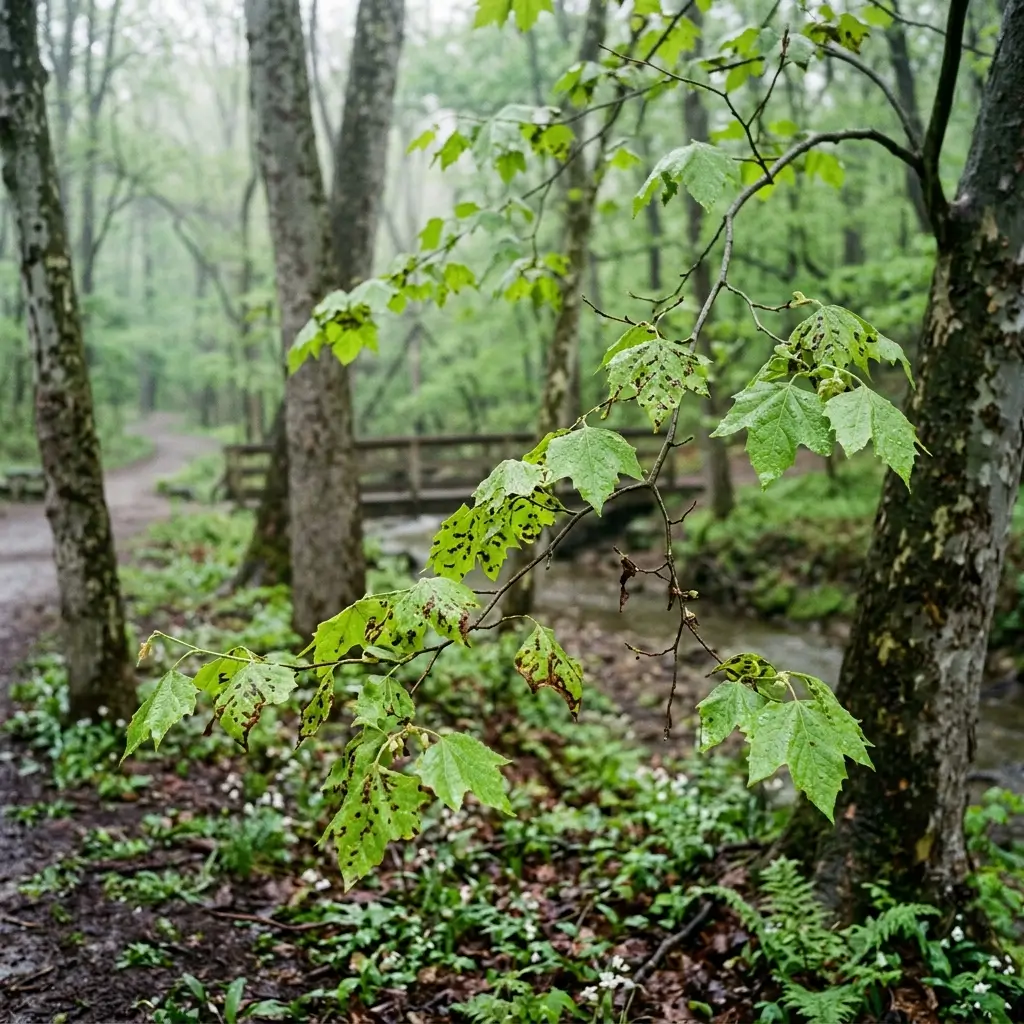
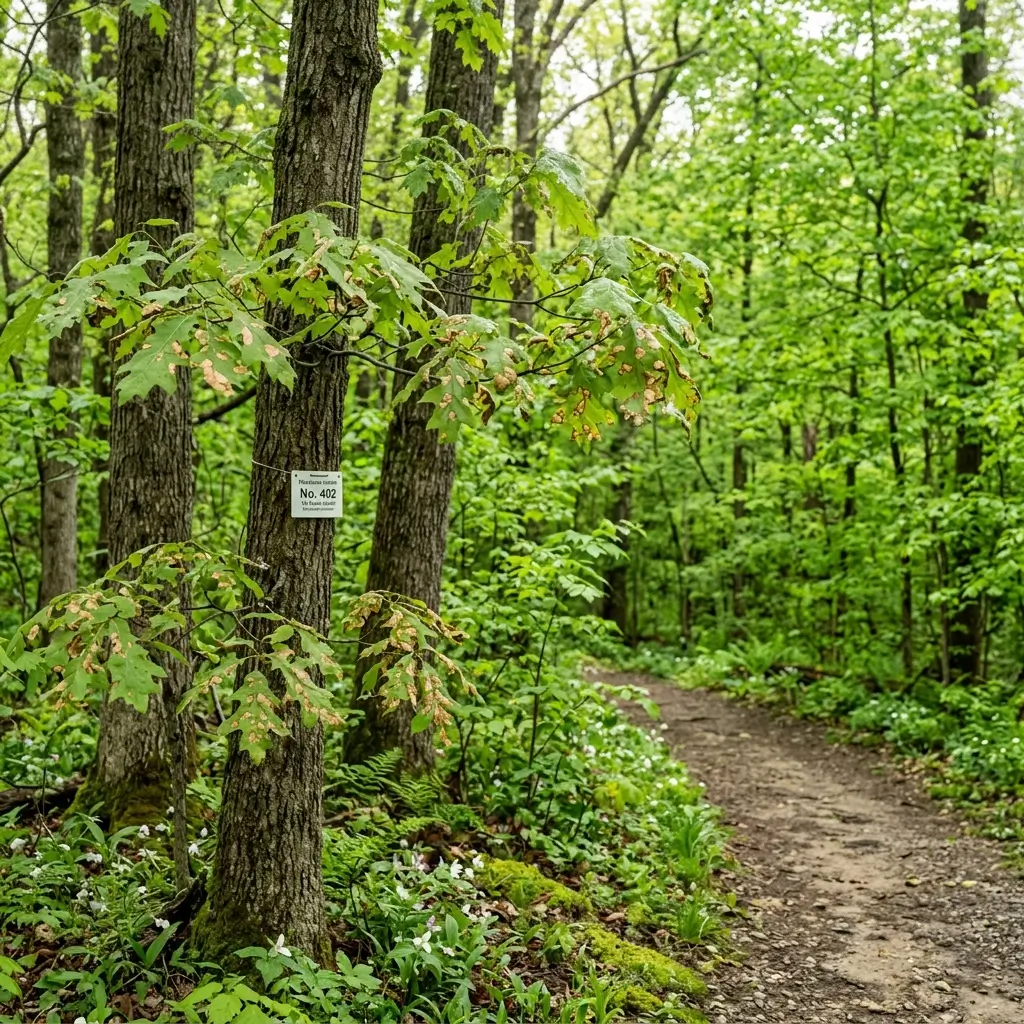
Anthracnose is a destructive fungal disease that affects your trees, especially during wet and humid conditions. If your tree leaves or stems have dark lesions, or are experiencing early leaf drop, and dieback, Anthracnose might be the reason.
While it may start small with a few spotted leaves, it can spread to the whole tree if left untreated. Over time, it stresses the tree so much that trees become vulnerable to other pests and diseases.
All Natural Tree Experts have experienced arborists specialized in diagnosing and treating Anthracnose, doesn’t matter what the stage of infection is. Our team identifies the exact severity of the disease and applies targeted treatment solutions designed to stop fungal spread and restore tree health.
Need professional care for your tree suffering from Anthracnose? Reach out to us now and regain the tree’s health and strength.
How to Identify Anthracnose in Your Trees?
In a tree struggling with Anthracnose, you will see:
Leaf Spots and Browning
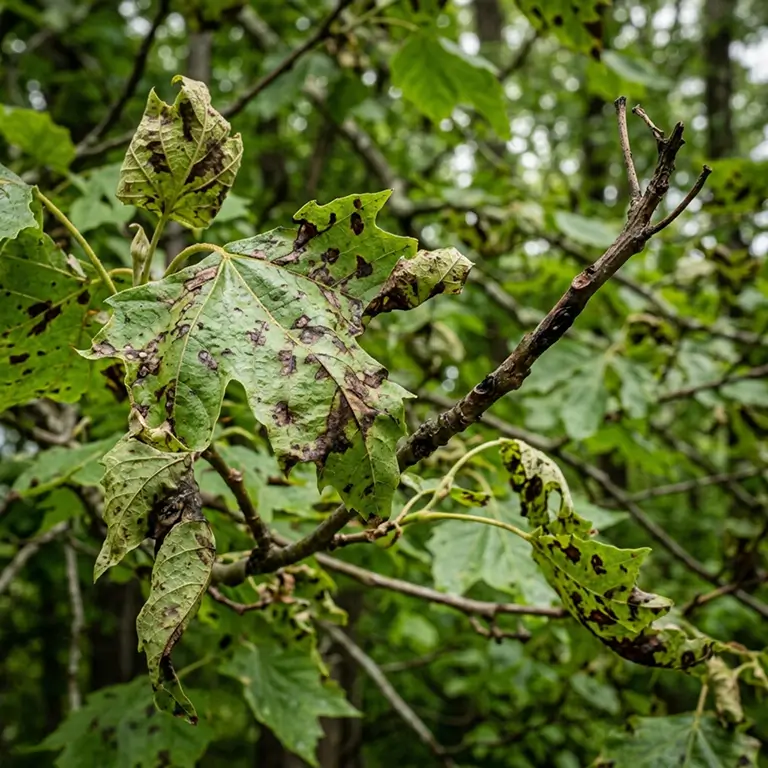
Premature Leaf Drop

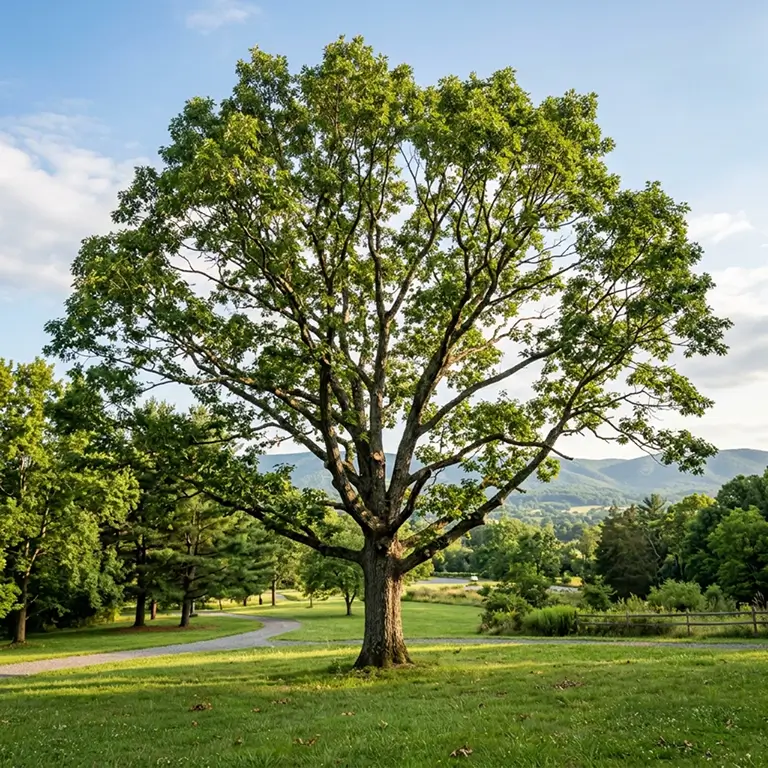
Twig and Branch Dieback

Distorted or Curled Leaves
Dark Lesions on Stems
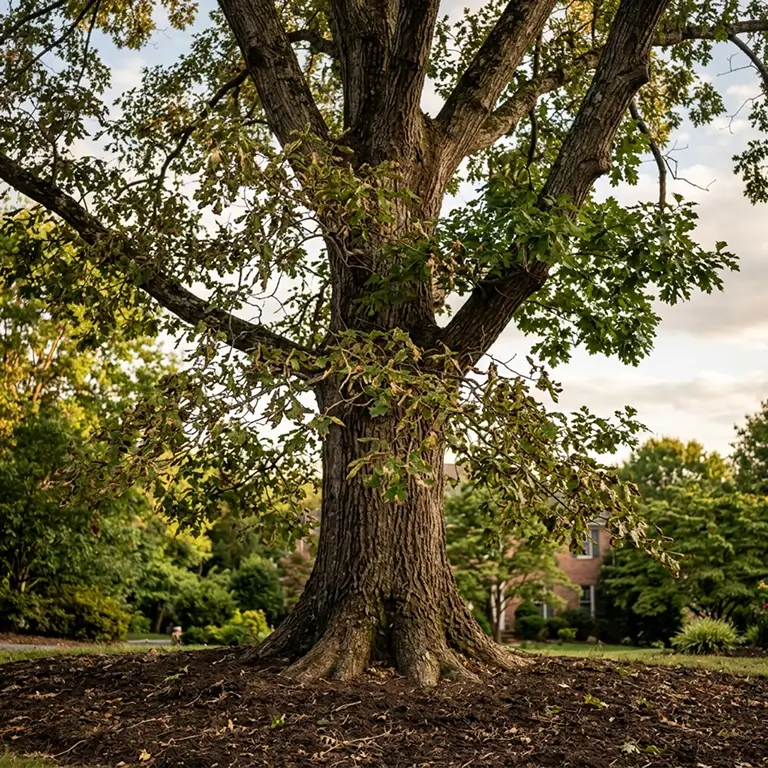
Any of these signs is a call for help from trees. Reach out to All Natural Tree Experts for plant disease management now.
Anthracnose Tree Disease Control Solutions
01
Cut or remove the infected branches to stop fungal spread.
02
Apply fungicide early in the season to prevent fungal infection.
03
Clean fallen leaves and debris because Anthracnose survives in dead plant material.
04
Prune to improve air circulation so moisture dries faster after rain or watering.
05
Do proper mulching and fertilization to reduce stress and help trees resist future infections.
We combine these methods into a complete tree care plan. Relying on us for Anthracnose tree disease control will surely restore tree health and prevent Anthracnose from returning. Contact now for an appointment.
All Natural Tree Experts
What Causes the Tree Leaf Spot Disease?
Want to know what has caused the tree leaf spot disease so you can keep an eye on those factors going forward?
It’s caused by fungal pathogens that travel through wind and rain. That’s why the infection spreads quickly between closely planted trees. Also, if infected tree debris is not cleaned properly, infections spread again when temperatures warm up in the spring.
Moisture is the primary reason for fungal growth, making dense tree canopies highly vulnerable. Environmental stress factors like overwatering, compacted soil, and poor nutrition also weaken the tree’s immune system, making it prone to infection.
If you want to save your trees from severe anthracnose, reach out to us for tree disease management when you see the first fungal spot on leaves.
Common Trees Affected by Anthracnose
Anthracnose commonly affects both shade and ornamental trees, especially during cool and wet seasons. Some tree species are more vulnerable to fungal infections and require early monitoring to prevent severe damage.
- Oak Trees
- Maple Trees
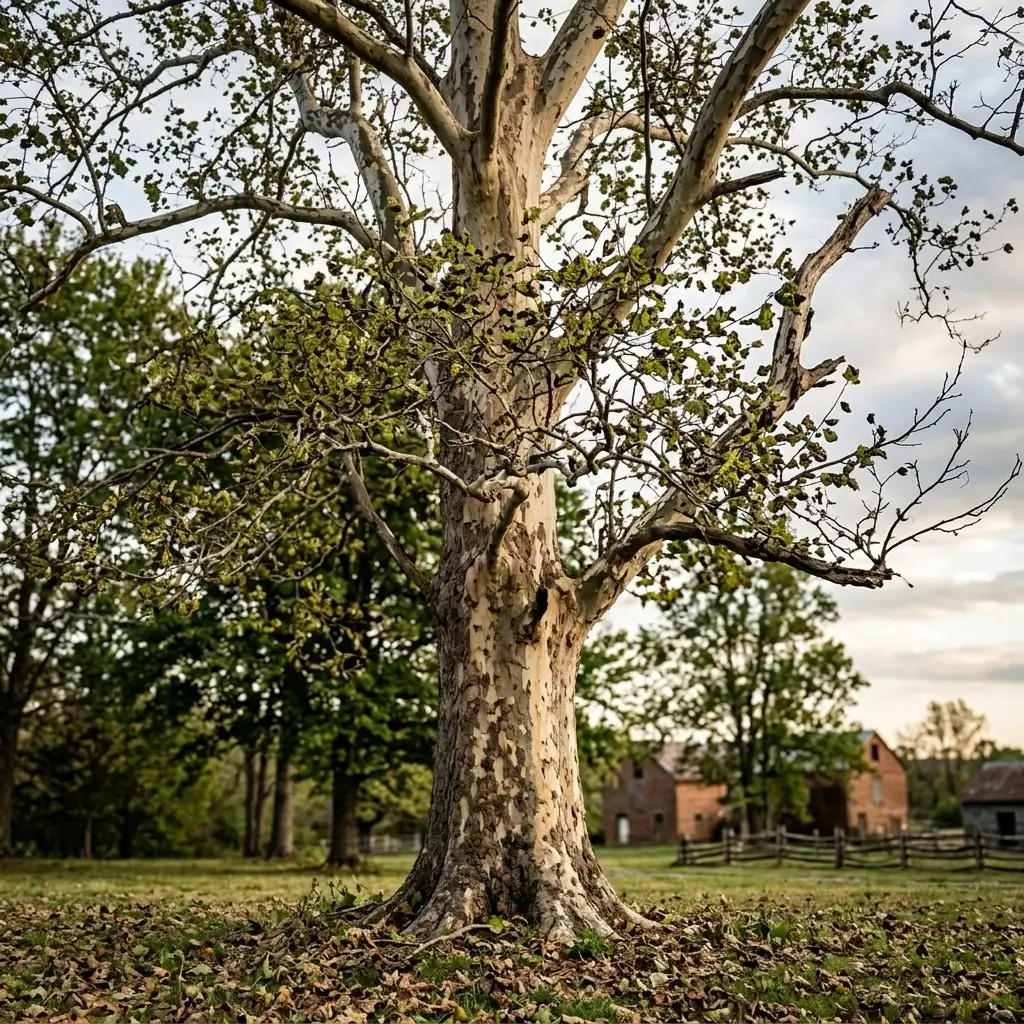
- Sycamore Trees
- Dogwood Trees
- Ash Trees
- Walnut Trees
- Elm Trees
- Birch Trees
- Linden Trees
- Magnolia Trees
You will see leaf spotting, canopy thinning, and branch dieback in all these trees when Anthracnose is left untreated.
Schedule our tree inspection services regularly because fungal activity can be reduced with timely treatment.
What Happens If Anthracnose Tree Disease Is Left Untreated?
Ignoring Anthracnose does not make it disappear; it allows it to spread deeper into the tree structure. Over time, repeated infections weaken the tree’s ability to produce healthy leaves, reduce its growth rate, and cause permanent canopy damage. In severe cases, branches may die back extensively, leaving the tree structurally unstable and unattractive. Delayed treatment also increases the risk of the disease spreading to nearby healthy trees, turning a single infection into a problem for the entire garden.
If Anthracnose is affecting your yard, call us now because early professional intervention can always stop the spread of the disease and save your garden.
Maintenance Tips for Anthracnose Tree Disease Prevention
01
Rake and remove fallen leaves to eliminate fungal spores
02
Avoid overhead watering that keeps leaves wet for long periods
03
Maintain proper tree spacing to prevent overcrowding
04
Apply preventive treatments during high-risk seasons
05
Prune trees regularly to reduce moisture buildup
06
Inspect trees after heavy rains for diagnosing early symptoms
Want to save your trees from Anthracnose? Contact us now and let our expert arborists make sure to treat it before other trees get affected.