

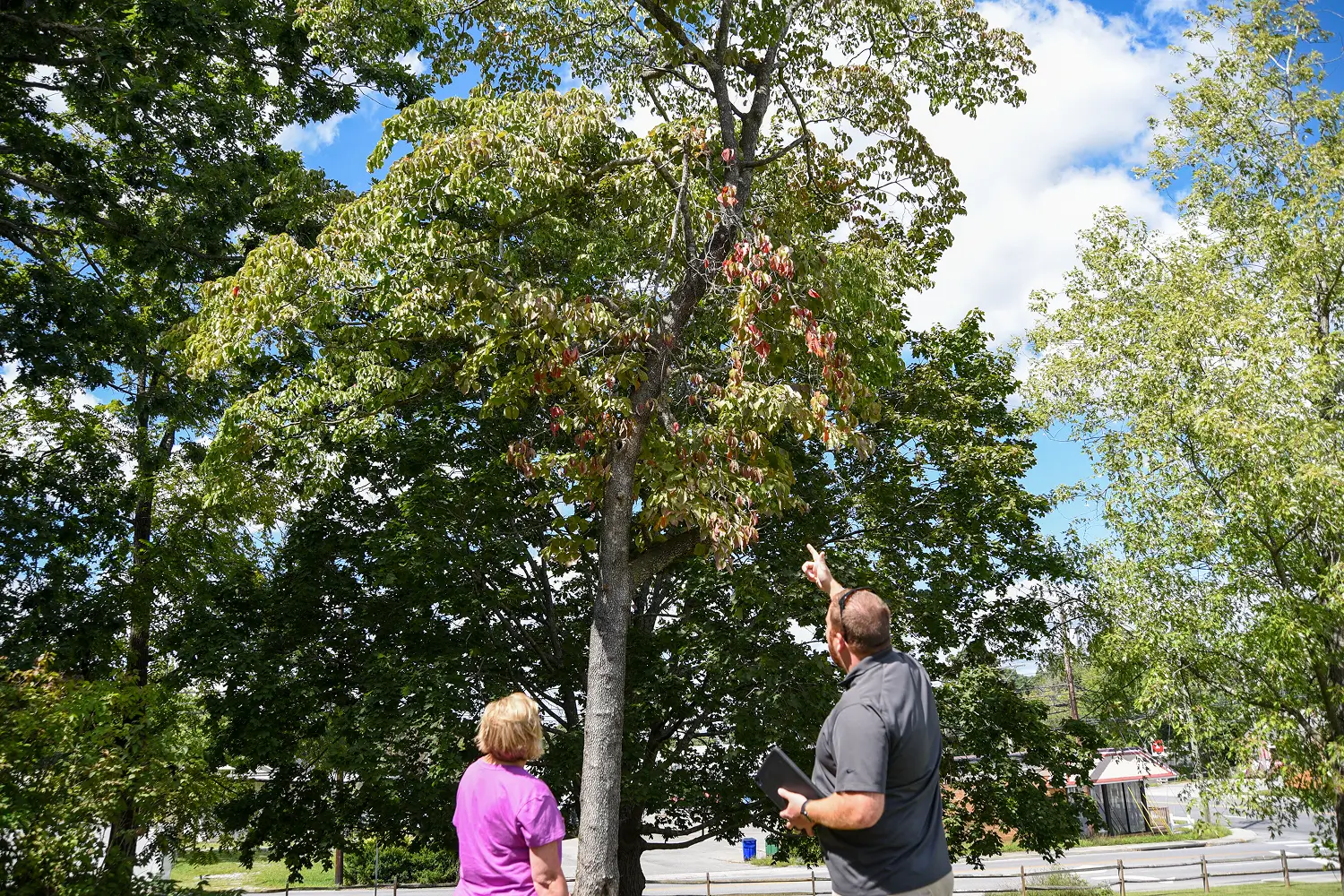
Crawlers travel on wind currents to neighboring trees and shrubs
Certified Scale Insect Treatment for Trees and Shrubs
Are the trees or shrubs on your property showing sticky residue or crusty bumps on the bark? These are the signs of scale infestation. We at All Natural Tree Experts provide correctly identified and properly timed scale insect treatment to give your trees and shrubs a real path to recovery.

What Are Scale Insects and Why Are They Harder to Manage Than Most Tree Pests?
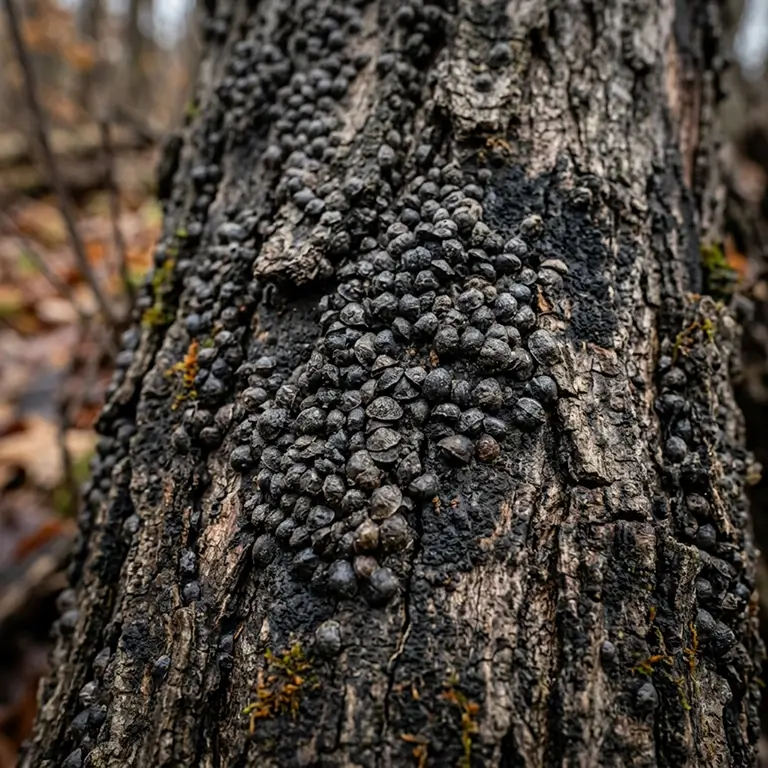
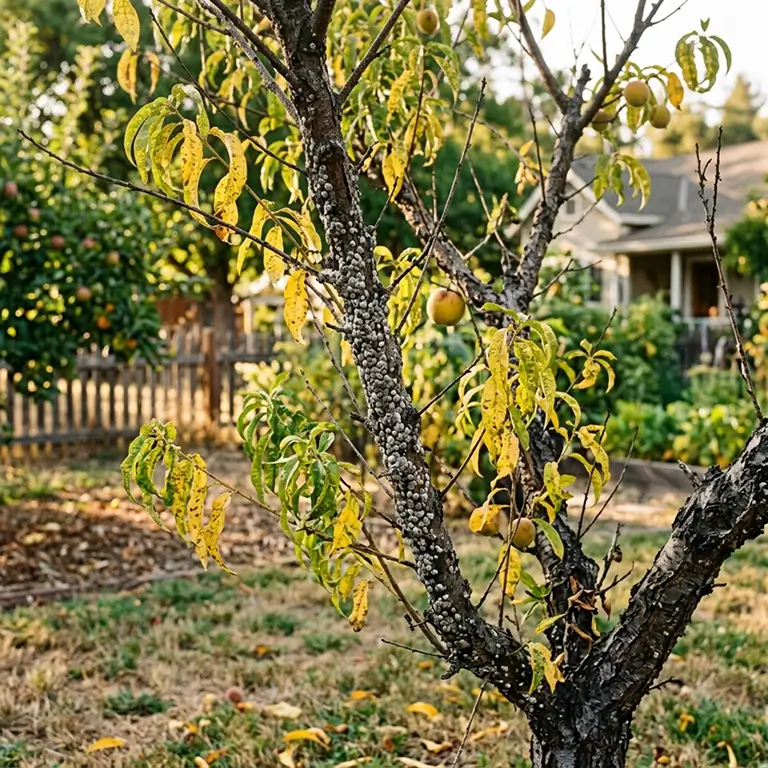
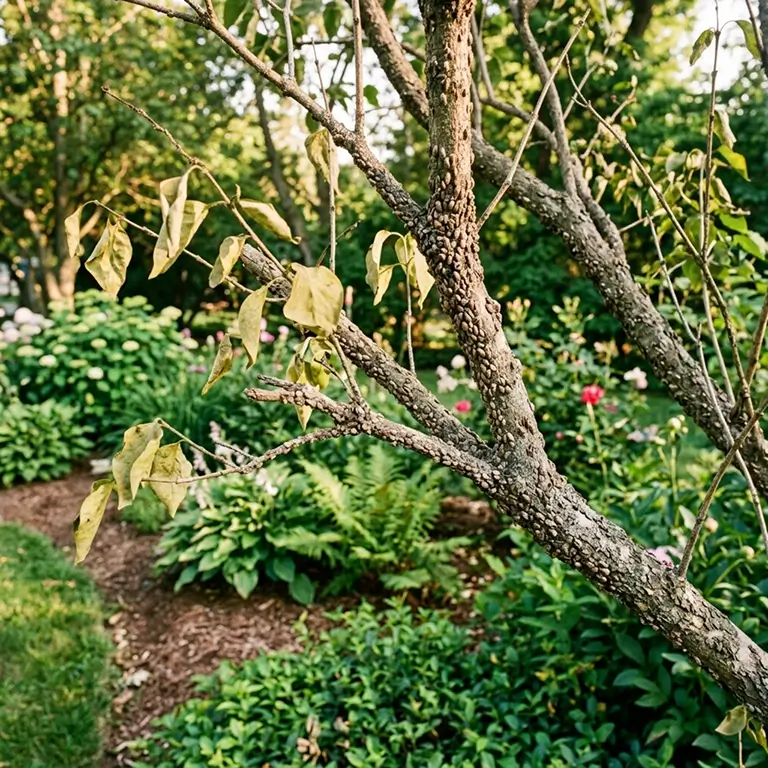
Scale insects are tiny sap-feeding pests that attach themselves to bark, stems, and leaves and form a waxy or shell-like covering that makes them look like part of the plant. By the time most property owners recognize what they are looking at, the infestation has been established long enough to cause real structural damage to the tree or shrub it is feeding on.
A tree losing energy to a scale infestation does not collapse overnight. It thins gradually, pushes weaker growth each spring, and drops branches that should have stayed healthy for decades. Most homeowners connect the decline to drought or old age before anyone thinks to check the bark closely.
At All Natural Tree Experts, our ISA-certified arborists are trained to identify scale infestations at early stages. We diagnose which species is involved and build a scale insect treatment plan around what the tree needs rather than what is easiest to apply.
Noticing unusual crust-like bumps on your tree’s bark or a sticky residue on the leaves below it? Get an accurate identification before you treat.
Tree and Shrub Species Most Vulnerable to Scale Insect Infestations
Our tree care specialists commonly find scale infestation on these species:
Oystershell Scale on Ash and Lilac
Euonymus Scale on Euonymus and Pachysandra
Pine Needle Scale on Pines and Spruce
Lecanium Scale on Oak Trees
Magnolia Scale on Magnolia Trees
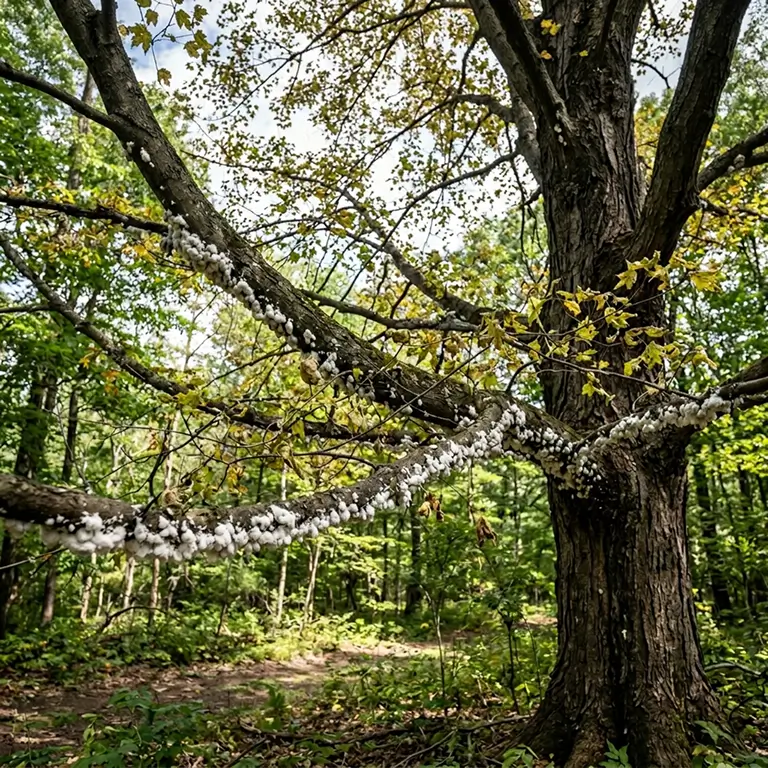
Cottony Maple Scale on Maples and Honey Locust
Not sure which scale is affecting your trees or shrubs? Our arborists identify the exact species before recommending any treatment.
Treating Scale Insects at the Wrong Time Is Almost the Same as Not Treating at All
Scale insects have a crawler stage, which is the only point in their life cycle when they are exposed and mobile. Once they settle and form their protective covering, many treatments lose effectiveness because they cannot penetrate the shell or waxy layer. Missing the crawler window by even a couple of weeks means waiting for the next generation before treatment has a real chance of working.
For most scale species, the crawler stage occurs in late spring to early summer, though some species have a second emergence in late summer. Soil and weather conditions in a given year affect exact timing, which is why monitoring is more important than calendar-based spraying. Our tree care experts check for crawler activity directly and time treatments accurately.
Timing a scale treatment correctly is the single biggest factor in whether it works. Let our certified arborists monitor your trees and treat them at the right moment.
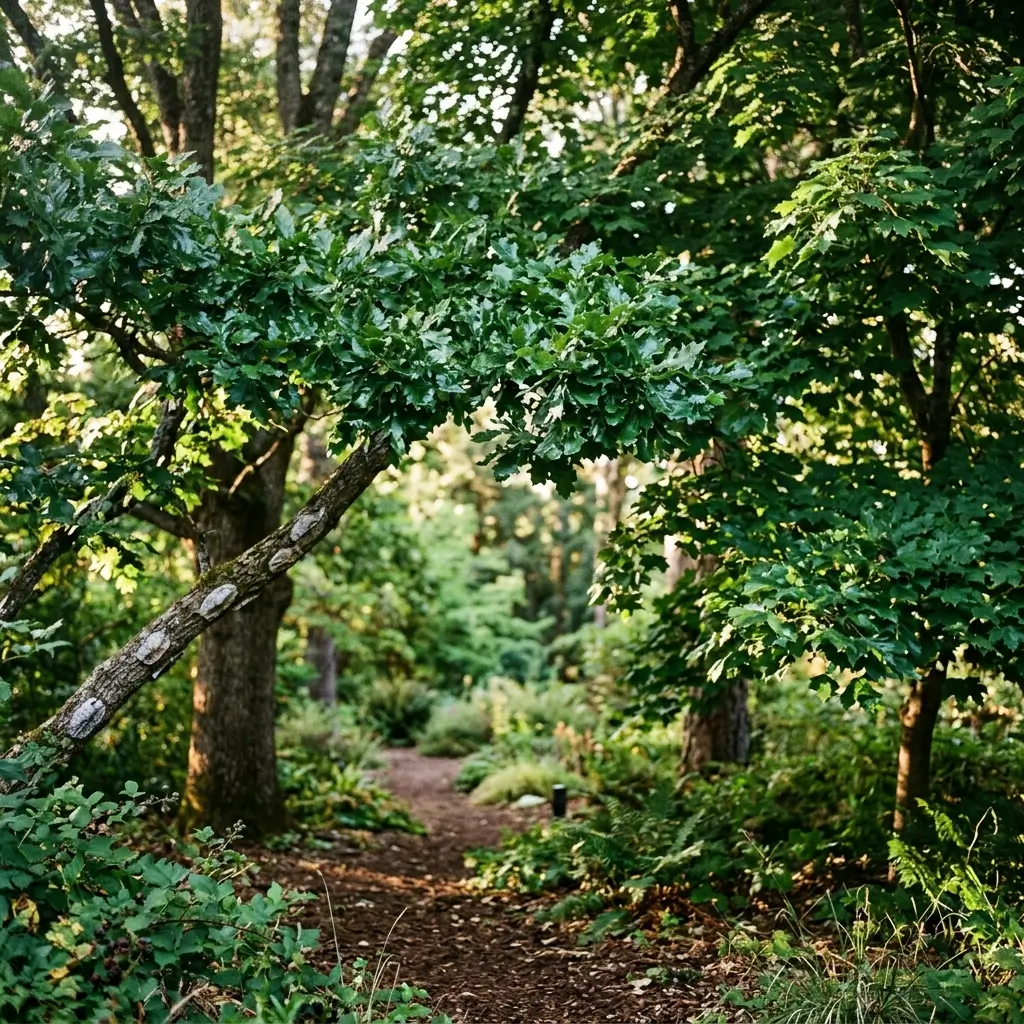

How do Scale Insects Spread From One Tree to Another?
Scale rarely stays contained to a single tree once a population is established. Let our arborists assess your full property.
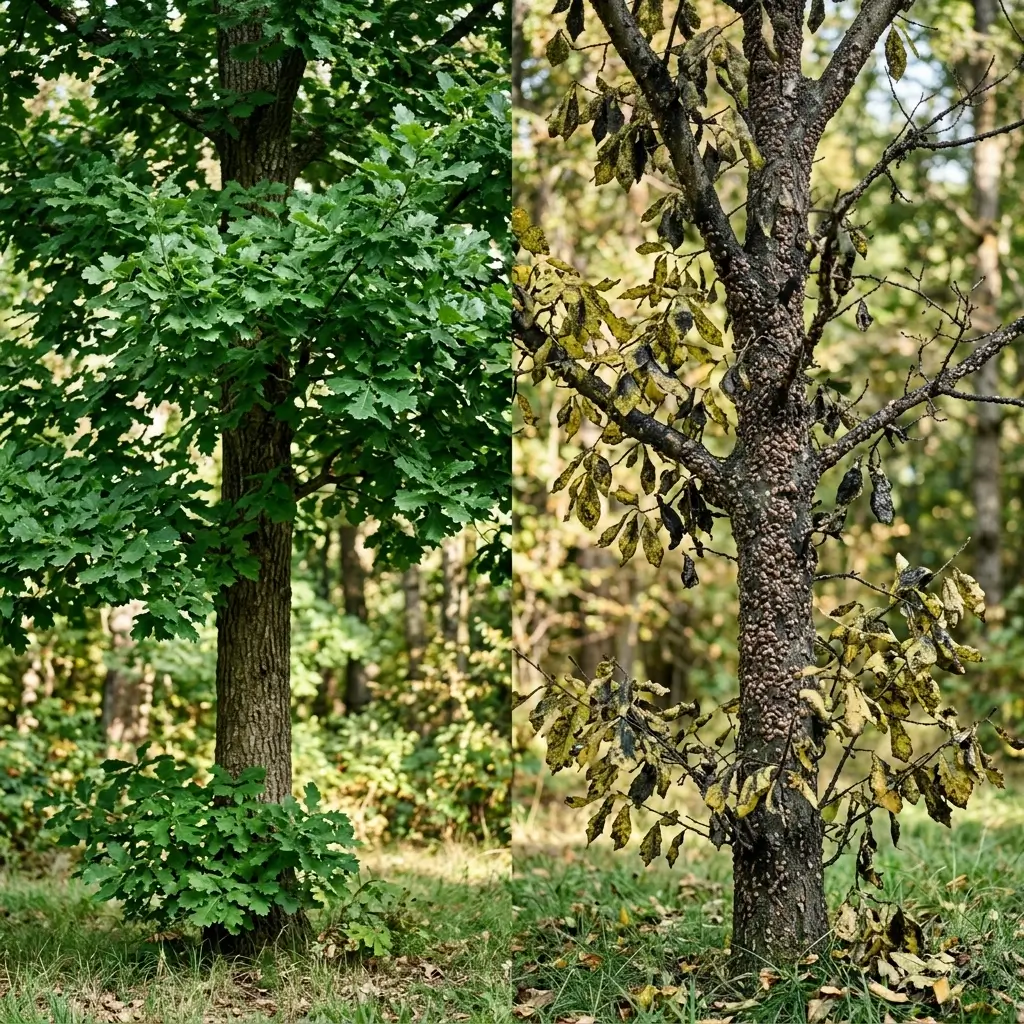
Our Scale Insect Treatment Options and How Each One Works
Different infestations call for different approaches. The scale species, the host plant, and the time of year all determine which method works best:
01
Horticultural oil smothers crawlers on contact
02
Dormant oil applied before bud break kills overwintering eggs
03
Soil drench reaches scales that surface sprays cannot access
04
Systemic treatment protects throughout the full growing season
05
Trunk injection works when soil uptake is limited
06
Insecticidal soap targets soft scales with lower environmental impact
07
Biological controls support natural predator populations in the long term
Not sure which treatment fits your situation? Our arborists assess the infestation before recommending anything.
How to Know If Your Landscape is Dealing With Scale Infestation?
Scale insects leave a trail of evidence across the plant before the damage becomes severe. Here is what to look for:

Any of these signs showing up on your trees or shrubs? Do not wait for the damage to get worse before calling someone.
All Natural Tree Experts
What Our Arborists Do Differently When Treating Scale?
Here is what our approach looks like in practice:
- We identify the exact species before applying any treatment
- We assess the severity of damage and then apply suitable eco-friendly treatment
- We monitor for crawler activity rather than treating by calendar
- We account for pollinator gardens and edible plants nearby
- We follow up after treatment to check recovery and reinfestation
- We also look at what stressed the tree in the first place to avoid future tree issues
Get a scale treatment that is thorough, well-timed, and actually followed through on. Contact us now!
Frequently Asked Questions (FAQs)
01. Can I treat scale insects myself without hiring an arborist?
For minor infestations on small shrubs, horticultural oil sprays available at garden centers can be effective if applied during the crawler stage. For trees, multi-story shrubs, or infestations that have already caused visible dieback, professional treatment is more reliable.
02. How long does it take to see results after scale treatment?
Crawler-stage treatments and oil applications show results within a few weeks as the active population dies off. Systemic treatments taken up through the root system or trunk take longer to distribute through the plant. Recovery shows up in the form of healthy new growth in the season following successful treatment.
03. Will scale insects come back after treatment?
Scale insects can recolonize from neighboring plants, from populations that survived in sheltered spots on the same tree, or from eggs that hatched after the treatment window closed. Properties with a history of scale pressure benefit from annual monitoring so reinfestation is caught early rather than after another full season of damage.
04. Is scale insect treatment safe for other plants and pollinators nearby?
It depends on the product and method used. Systemic soil drenches with certain active ingredients can be taken up by flowering plants in the root zone and affect pollinators that visit those flowers. Our arborists account for surrounding plantings when selecting treatment methods and timing, and we avoid broad-spectrum applications during bloom periods.