Professional Insect & Disease Management
Every tree can fall ill or get attacked by pests that can spread and damage other plants in your garden. Our ISA-certified arborists in Southwest Virginia use scientific approaches to identify the pest or hidden disease, so your tree can be treated in time.
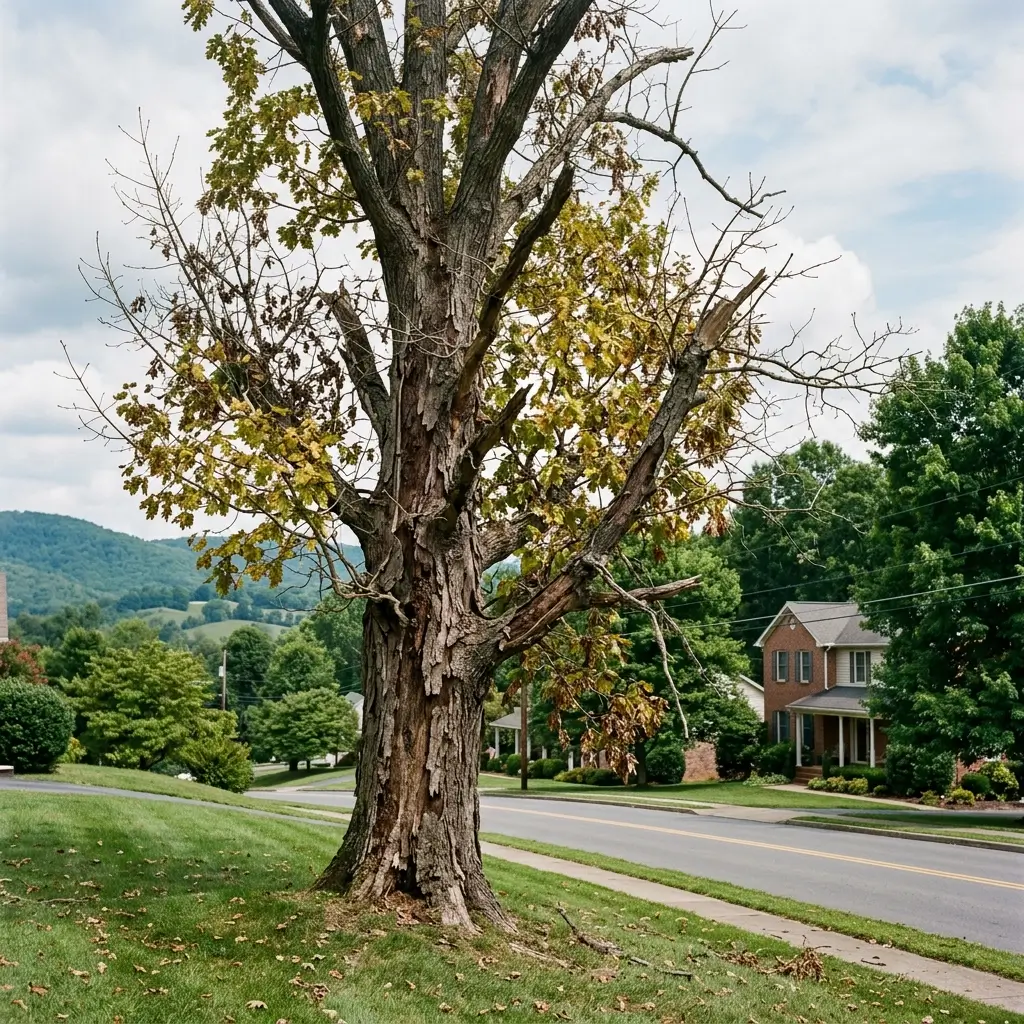
ISA Certified Arborists in Southwest Virginia to Help Your Sick Tree Recover
Like humans, trees can also get sick. The only difference is that they can’t tell you when something’s wrong with them. However, they give you signs like yellowing leaves, dead branches, or peeling bark, and when this begins to happen, it’s important to go for tree health assessments instead of using all-purpose insecticide sprays.
This way, you’ll be able to know what’s wrong with your tree, which pathogen is causing it, and what you can do to save it. This is what All Natural Tree Experts does to help your tree recover and prevent the disease from spreading to other trees.
Our ISA-certified arborists are experts in tree biology and know how to spot bugs early and treat them before they do more damage. Our goal is to make sure your tree gets the right treatment and keeps growing properly.
Call us for tree maintenance services before it’s too late.
What Causes a Tree to Get Sick?
When your tree is sick, the first question that might come to your mind is, “Why is this happening to my tree?” Some common reasons include:
Pests and Insects
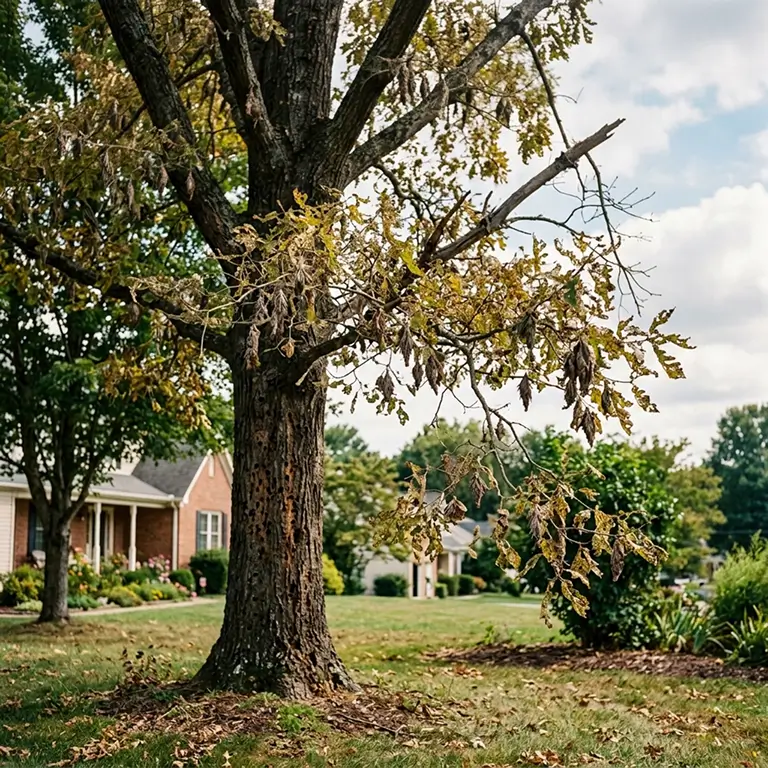
Fungal Infections
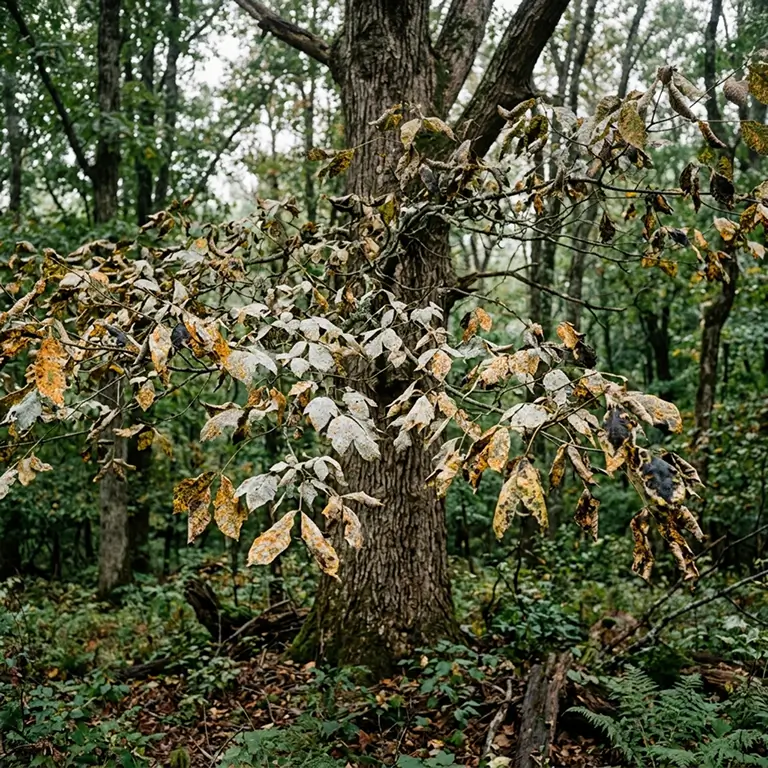
Bacteria or Virus
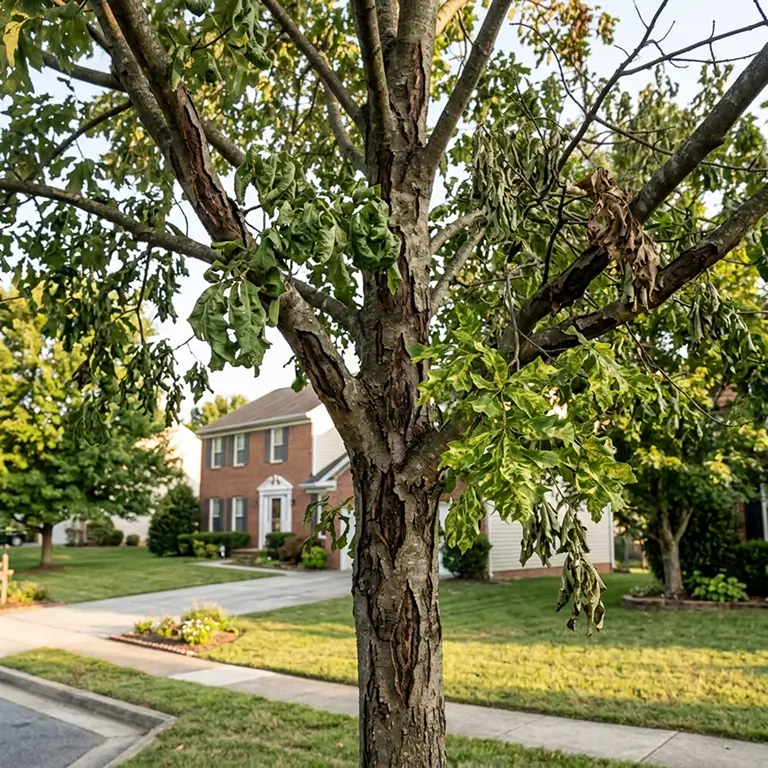
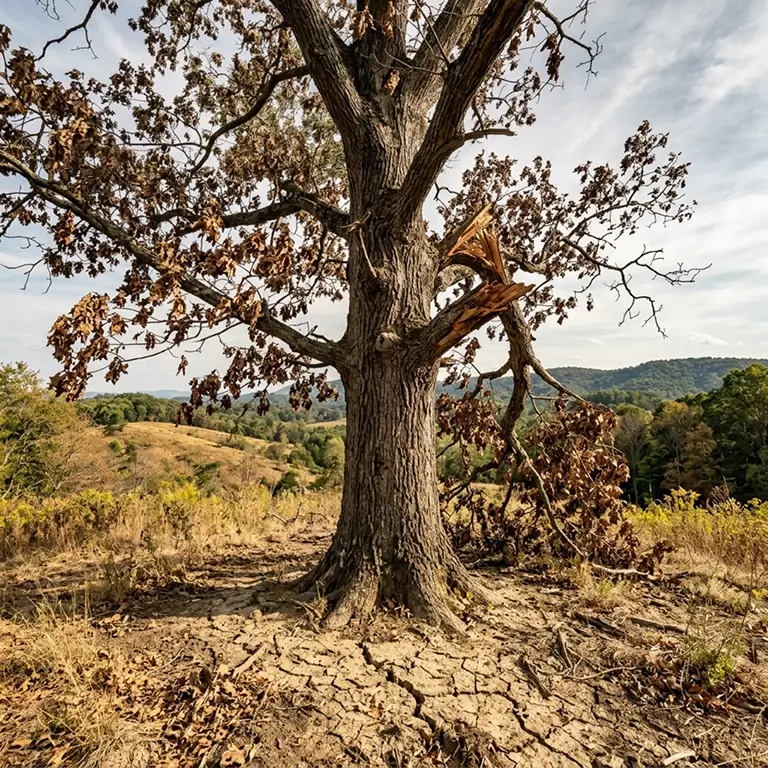
Environmental Stress
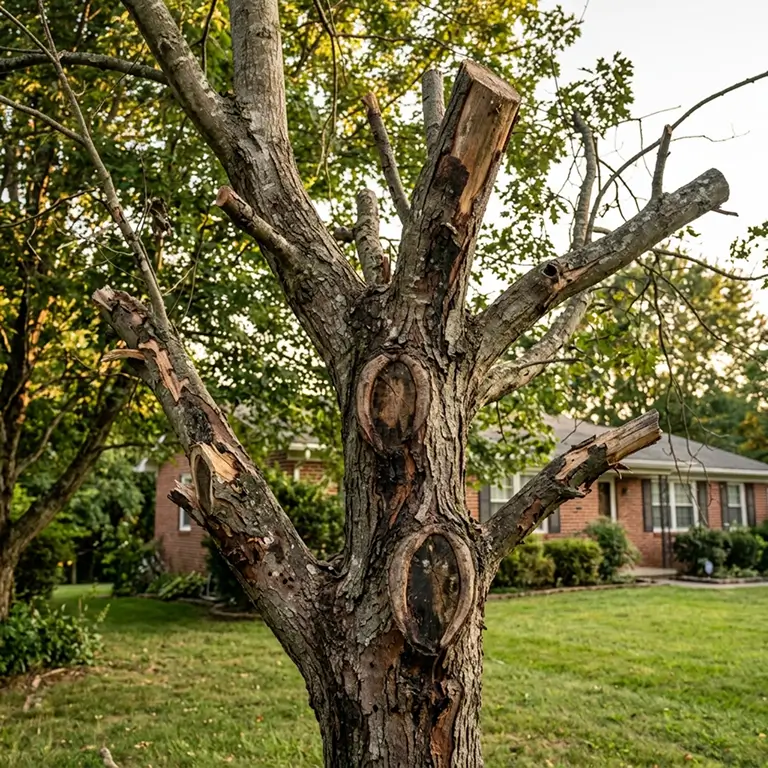
Human Impact
Common Tree Pests and How You Can Spot Them
01
Emerald Ash Borer
If you spot small green beetles eating the inner bark of your ash tree, it’s emerald ash borer. You can spot it by identifying S-shaped tunnels and D-shaped exit holes in the bark.
02
Aphids
Aphids are small, soft insects that gather on leaves and stems of many plants and suck sap. Watch for curled leaves, discoloration, sticky residue, or black coating on leaves to spot them.
03
Bark Beetles
Bark beetles are small brown insects that get inside the bark of weak trees and feed on the tissue below the surface. Tiny round holes in the bark or sawdust at the base usually point to them.
Let our tree specialists identify these pests and treat them.
Regular Tree Care Services Can Save You Thousands in Removal Costs
Investing in proactive tree care services is the smartest financial move you can make for your garden. It is significantly cheaper to treat a sick oak than it is to pay for the removal of a dead one.
Neglecting a sick tree leads to brittle wood that eventually falls on roofs or power lines. When you prioritize tree maintenance services, you save yourself from such hazards. It also improves your property value because every buyer looks for a beautiful yard.
Our specialized insect & disease management services ensure that small issues don’t turn into expensive disasters. With the right tree insect & disease management, your trees can live for decades. It is always better to spend a little on a cure today than a lot on a removal tomorrow.
Save Your Trees with our insect & disease management
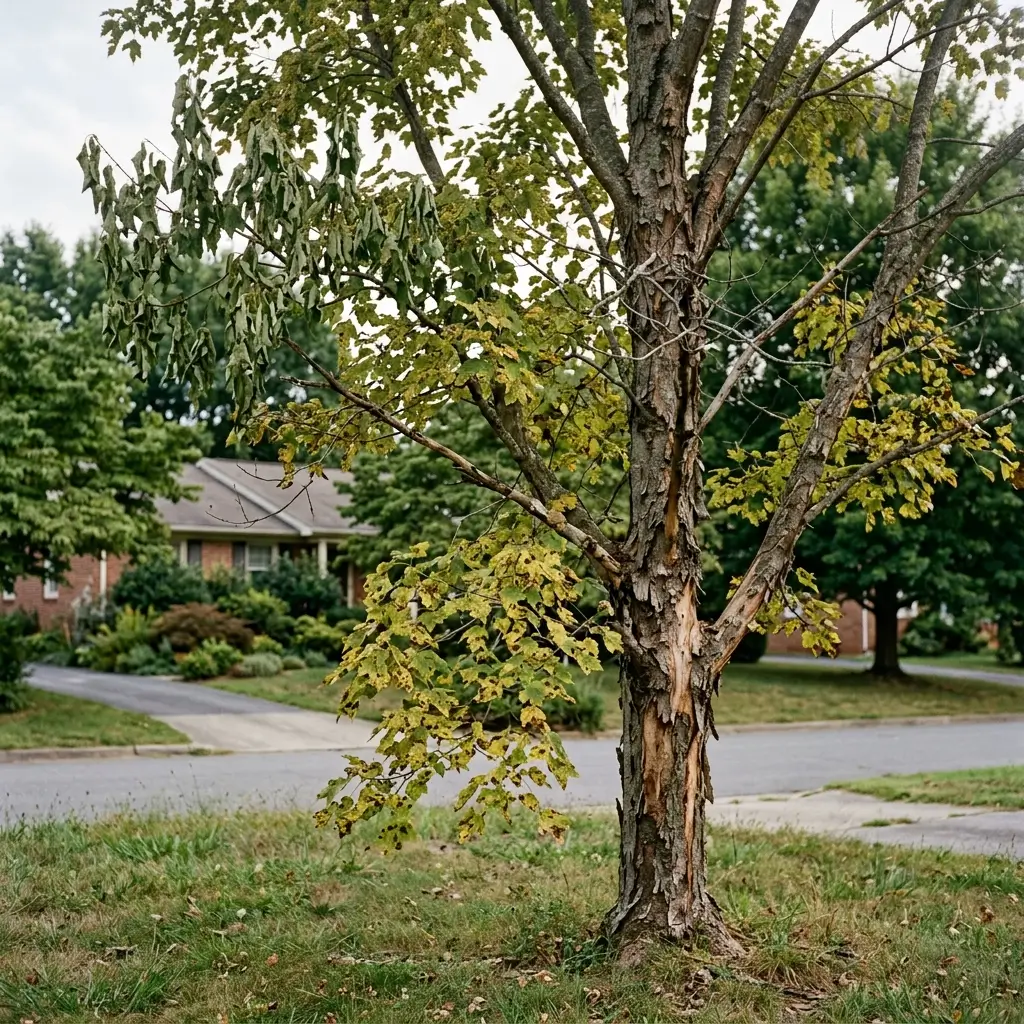
Is Your Tree Sick? Watch Out for These Symptoms
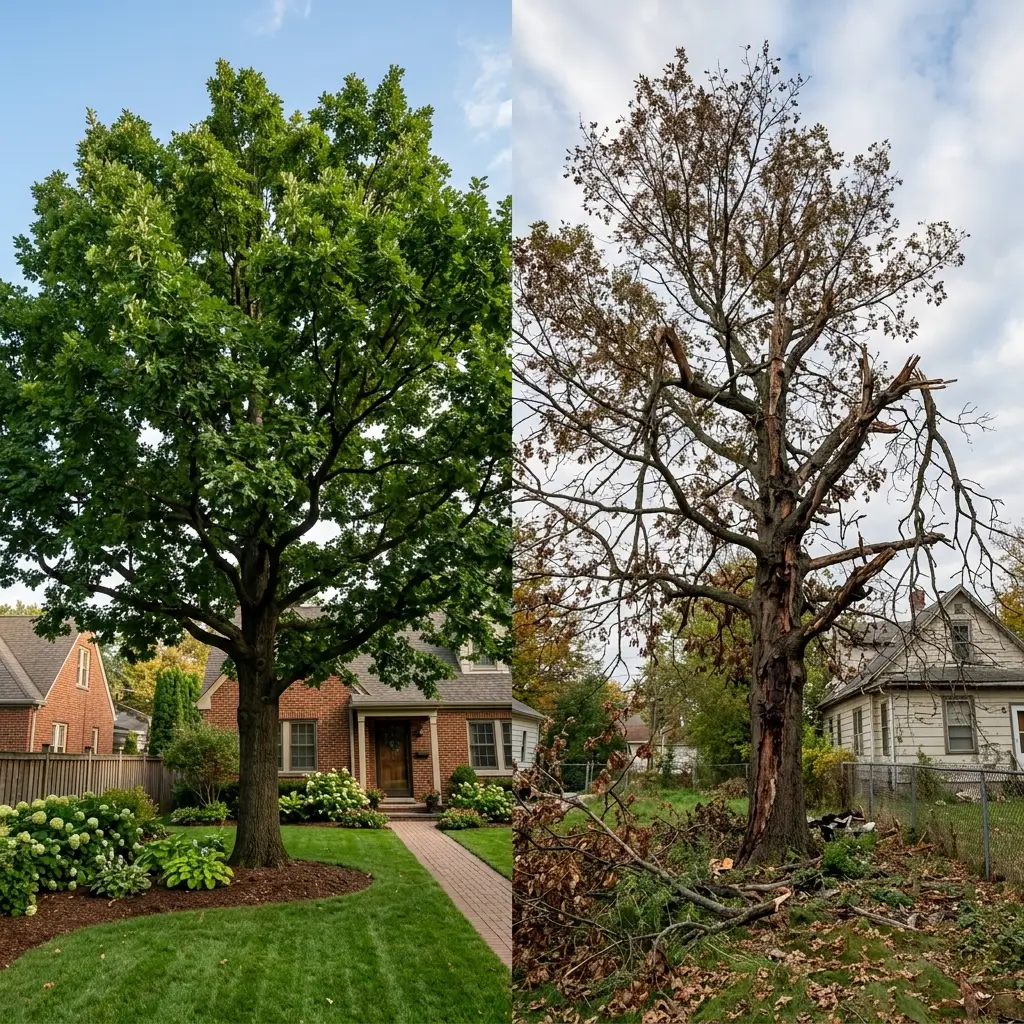
You know that your tree is struggling, but can’t tell if it’s sick. A diseased tree keeps giving you signs before giving up. Knowing these symptoms is important to act promptly and treat whatever it’s facing. Keep an eye on these symptoms:
01
Leaf Discoloration
If the leaves of your tree are becoming yellow or showing strange spots, it’s a sign that your tree is diseased.
02
Peeling or Cracked Bark
If you see the bark of your tree peeling or cracking, it might point to a fungal or bacterial infection that’s worsening.
03
Dead Branches
When your tree starts shedding dead branches, it’s likely facing a disease or pest problem.
04
Wilting
If the leaves of your tree are drooping, curling, or dropping, it may be affected by a disease.
Is your tree showing these signs? Call us for tree disease prevention.
Why Trust All Natural Tree Experts
Your tree is sick, and you’re looking for someone who can find the root cause and address it. At All Natural Tree Experts, our ISA-certified arborists have years of experience in disease & pest control for all types of trees. We use a scientific approach to inspect, diagnose, and treat the problem your tree is facing.
We also use proven methods like tree spraying & injections to get rid of pests attacking your tree. Our tree experts apply the right amount at the right time, ensuring your tree gets what it needs without causing any damage. You won’t have to worry about charges, as we keep our prices competitive and transparent.
Reach out today for a reliable insect & disease management service to give your tree a chance to survive.
How Insect & Disease Management Helps You Save Your Tree
With professional insect & disease management services, you can catch pests or diseases early and treat your trees before it comes to a complete removal.
At All Natural Tree Experts, we treat a wide range of pests and diseases, including:

If your tree looks weak or stressed, there is a chance it might be dealing with a pest or disease that our tree experts can identify and treat.
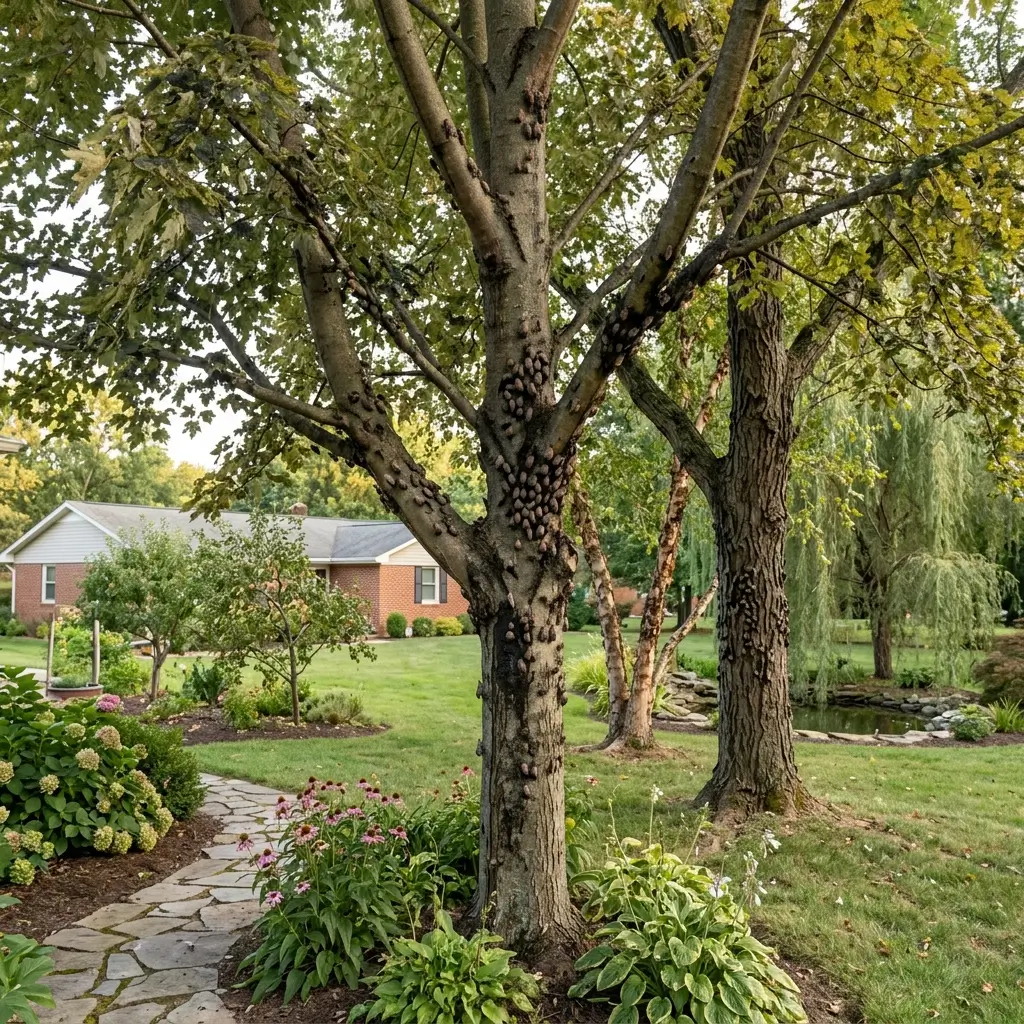
Save Your Trees From the Damage Caused by Spotted Lanternflies
The biggest pest threat today is the Spotted Lanternfly, and it hits far more than one species.
01
The Threat
The Spotted Lanternfly is an invasive pest that weakens trees by sucking sap and leaving behind honeydew, which causes sooty mold across bark and leaves.
02
Trees at Risk
SLF feeds on more than 70 types of plants. The most common ones we see on residential properties:
- Tree of Heaven (preferred host)
- Maples - silver and red
- Black walnut
- River birch
- Willow
- Fruit trees - apple, cherry, peach, plum
03
Treatment Beats Removal
All branches, limbs, and cut material are hauled off-site. We leave the work area clean.
How To Protect Your Trees From Bugs and Diseases
Your tree might just be another plant for others, but for you, it’s a part of your yard that you don’t want to lose. That’s why it’s better to protect it from harmful insects and diseases than struggle to bring it back to health.
Follow these steps to keep it in good shape from the beginning:
01
Use organic mulch that offers a protective shield against pests and diseases
02
Use proper pruning techniques to remove infested, diseased, or weak branches
03
Fertilize your tree regularly to avoid nutrient deficiencies that can weaken your tree
04
Avoid cutting or moving large branches on your own, as you might get injured
05
Schedule tree health assessments on a regular basis to catch hidden problems early
Don’t wait until your tree starts dropping dead branches. Schedule tree maintenance services to catch any issues early.