Tree Treatment in Radford from ISA-Certified Arborists
Noticing thinning leaves, dying branches, or unusual spots on your trees? Contact our certified arborists to identify the cause and provide targeted treatments for pests and diseases. This will save your landscape from permanent damage.
Call Us for
Tree Care Services
(540) 230-1098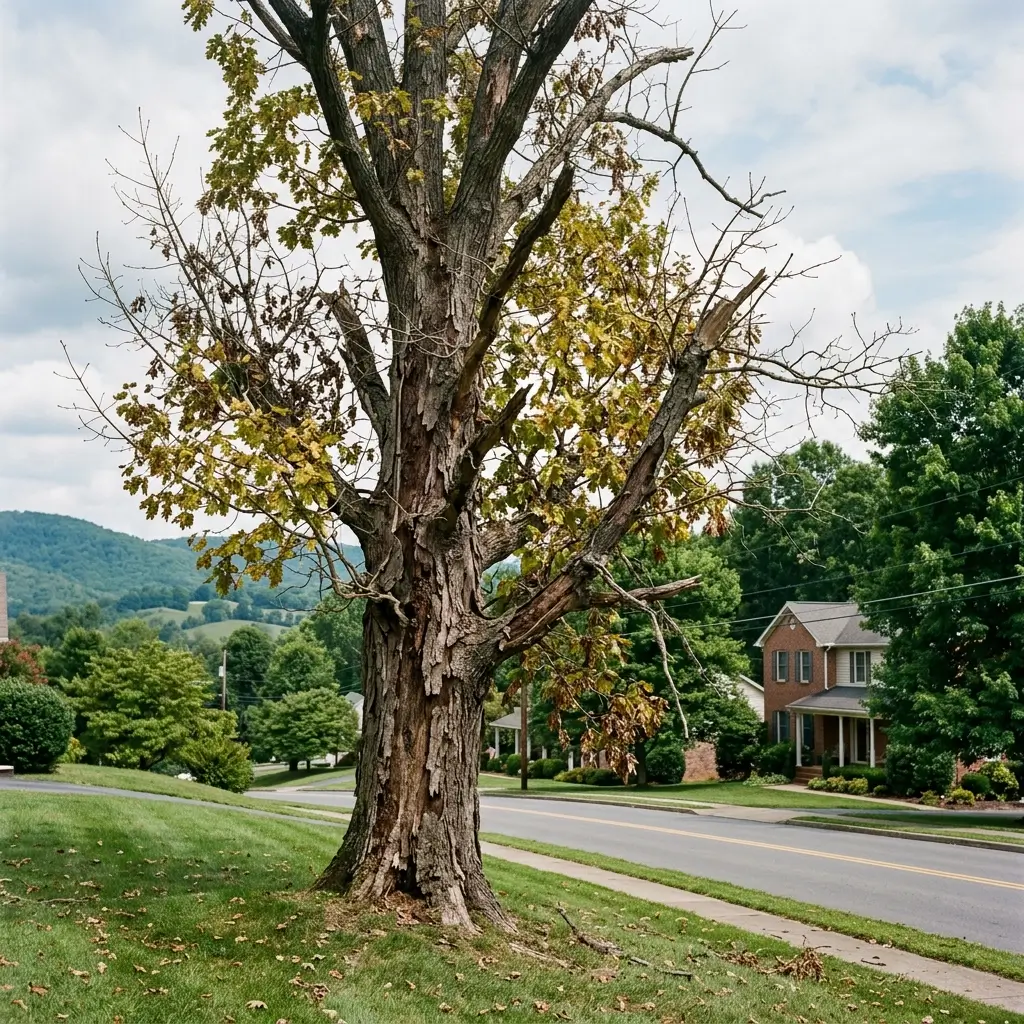
Protect Your Trees from Decline with Disease and Pest Control
Insects feed on leaves, sap, bark, or wood, while diseases attack roots, trunks, branches, and foliage. As the damage progresses, trees lose their ability to absorb nutrients, produce energy, and defend themselves against additional stress.
But no insect or disease can totally destroy your tree overnight. Most tree health problems begin months or even years before visible symptoms appear. Scheduling disease and pest control services regularly can save your trees.
At All Natural Tree Experts, our certified arborists identify the underlying cause and applies the appropriate solution to treat your trees. Whether your tree is suffering from an insect infestation, fungal infection, bacterial disease, or environmental stress, early intervention can significantly improve its chances of recovery and extend its lifespan.
Don’t wait until declining trees become hazardous. Schedule a tree health evaluation to stop the damage from spreading.
Tree Insect and Disease Management Services for Infected Plants
Tree Health Assessment
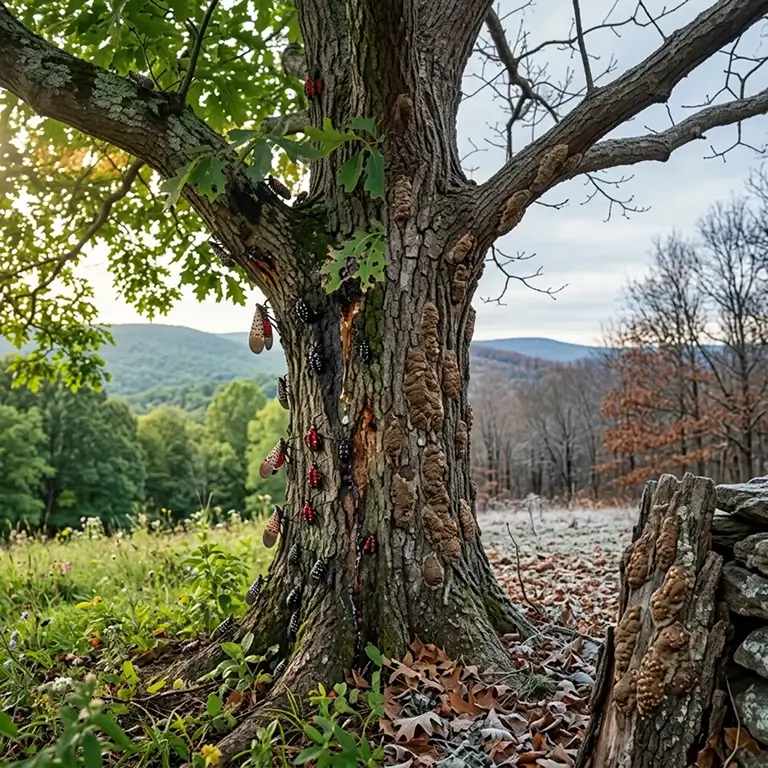
Tree Spraying and Injections
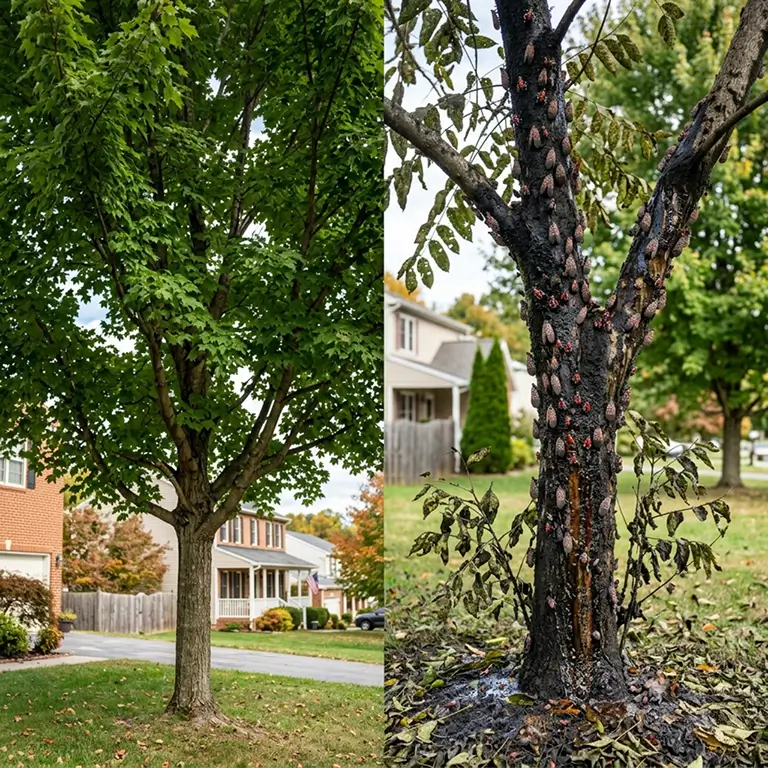
Mycorrhizal Soil Inoculation
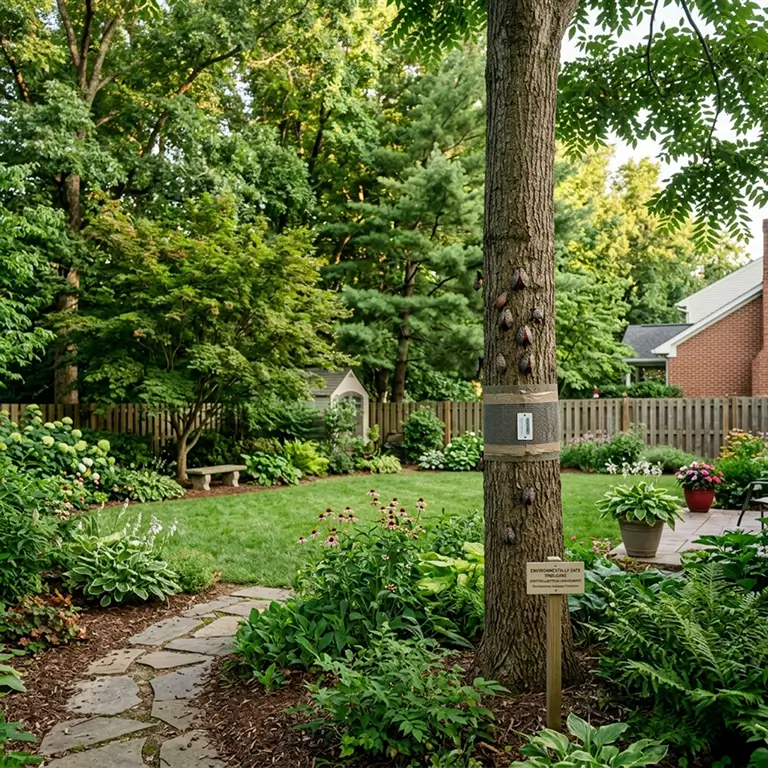
Sanitizing & Therapeutic Pruning
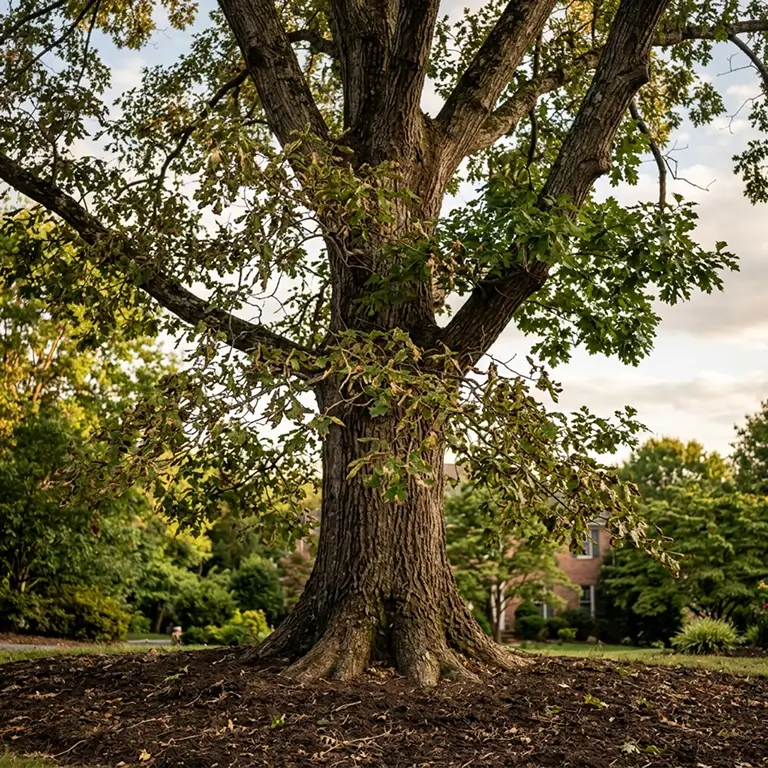
Every tree health problem requires a different solution. Let our experts develop a customized plan for your tree treatment.
How to Know if a Pest or Disease Is Damaging Your Tree?
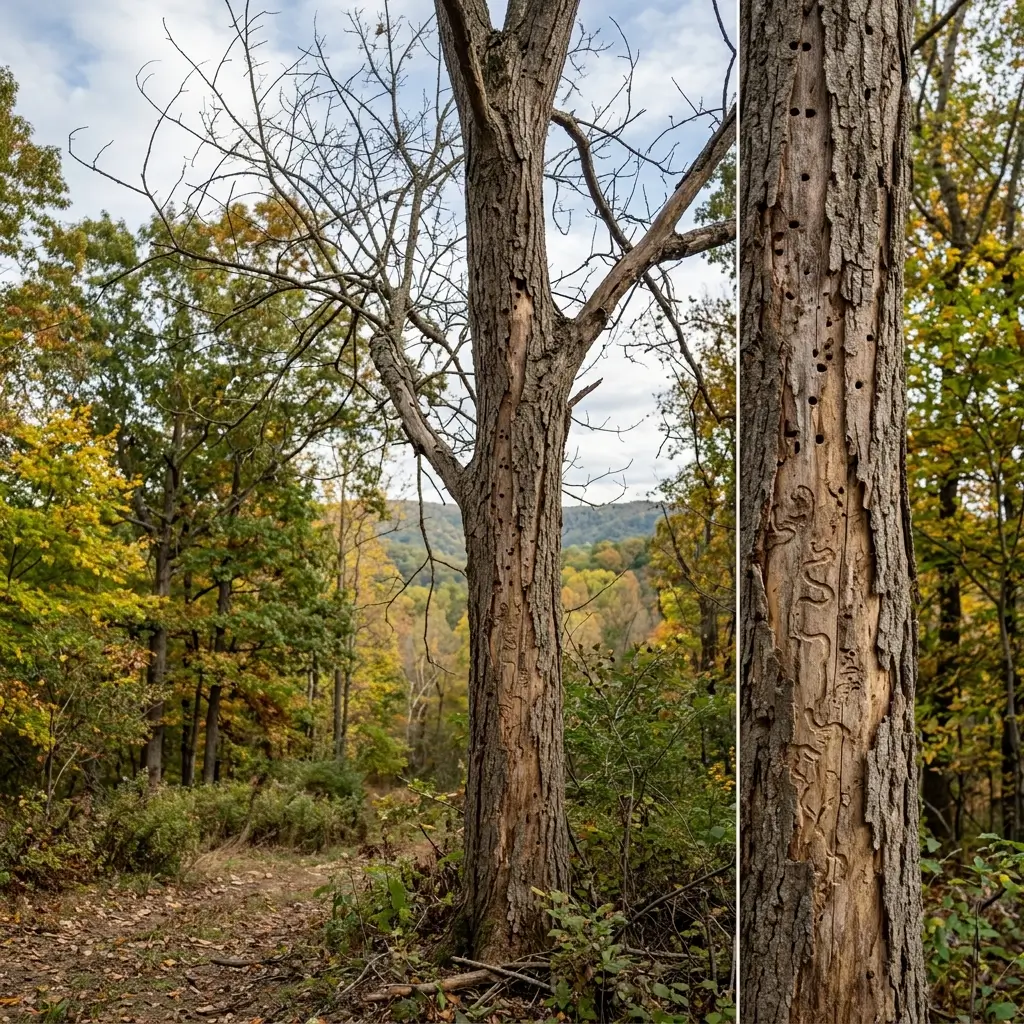
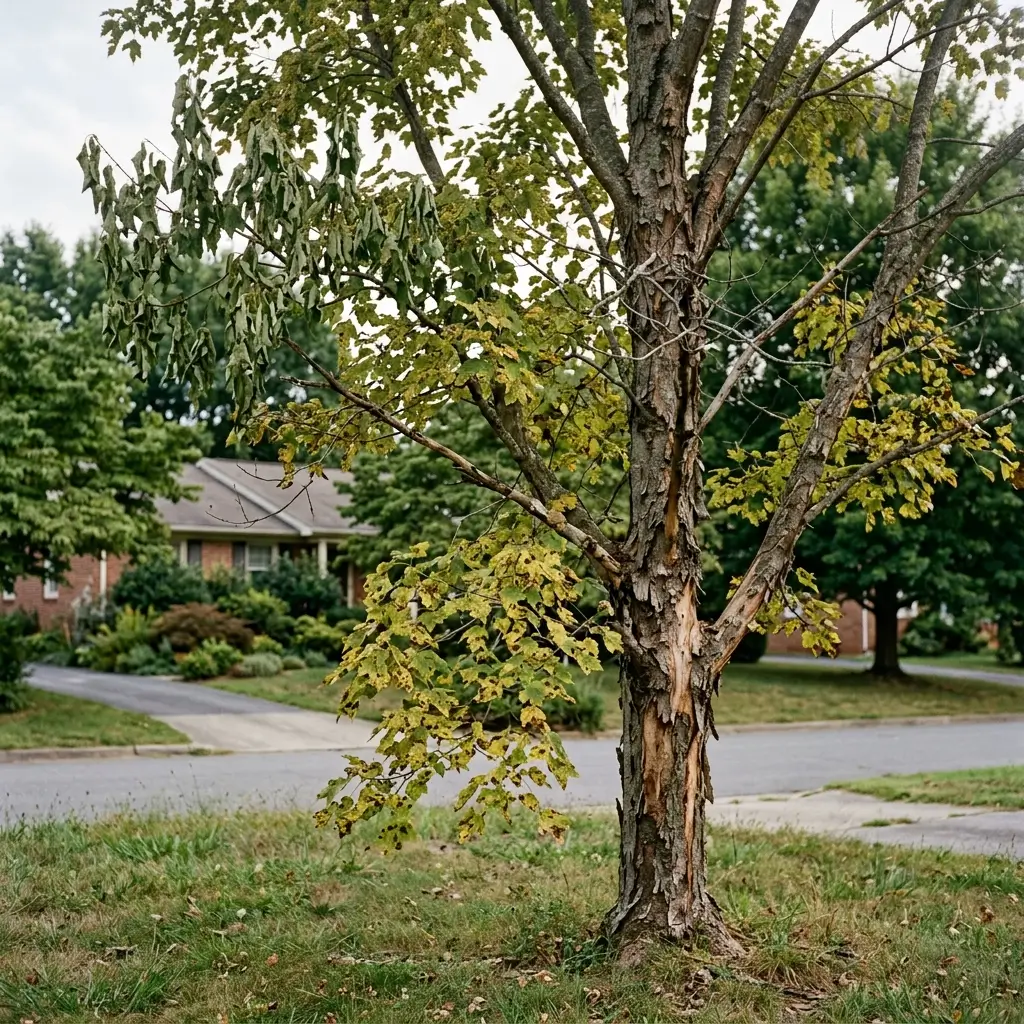
- Leaves are changing colors or developing dark spots.
- Leaves are dropping before the fall season.
- Curled, shriveled, or chewed leaves, all across the tree.
- Dead or dying branches are appearing throughout the canopy.
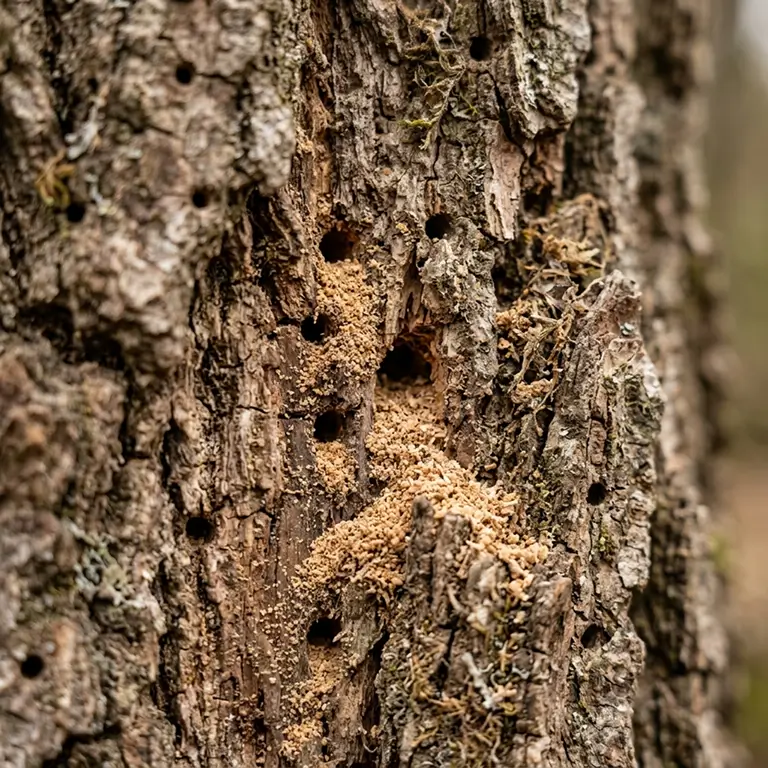
- Holes, tunnels, or sawdust-like material are visible on the bark.
- Mushrooms or fungal growth are developing near the trunk or roots.
- Sticky residue or excessive insect activity is present around the tree.
- Bark is cracking, peeling, or separating from the trunk.
- Tree growth has noticeably slowed compared to previous years.
If your tree shows any of these warning signs, schedule an inspection before a manageable problem becomes more severe and costly to address.
How Can You Save a Diseased Tree?
Many tree diseases can be successfully managed when identified early. In Radford, arborists commonly encounter anthracnose, powdery mildew, leaf spot diseases, and root rot. These conditions often respond well to proper pruning, fungicide applications, and improved growing conditions.
Some diseases require long-term management rather than one-time treatment. Regular monitoring, soil improvement, and preventative care often help trees recover and maintain healthy growth despite ongoing disease pressure.
However, not every tree can be saved. Advanced root rot, severe structural decay, and certain aggressive vascular diseases may permanently compromise a tree’s health and stability. In these situations, we recommend safe tree removal to protect neighboring trees and your property.
The sooner a disease is diagnosed, the greater the chance of saving the tree. Schedule a tree inspection before the damage becomes irreversible.
Pests That Commonly Attack Trees in Radford
There are multiple insect species in Radford that affect the trees, but the most common ones that you should be aware of are:
01
Emerald Ash Borer
This invasive beetle attacks ash trees by tunneling beneath the bark and disrupting the tree’s ability to transport water and nutrients. Untreated infestations often result in tree death within a few years.
02
Bagworms
Bagworms feed on foliage and create protective cases made from leaves and twigs. Severe infestations can strip large portions of a tree’s canopy and weaken overall health.
03
Spotted Lanternfly
Radford is heavily populated with them, particularly near the railroad tracks and the university campus. It feeds on sap from numerous tree species, stressing plants and leaving behind honeydew that encourages mold growth and attracts additional insects.
Invasive pests can spread quickly throughout your landscape. Early treatment by our professionals will help prevent extensive damage and costly tree loss.
Tree Diseases Prevention Tips to Extend Tree Life
- Schedule routine tree inspections with a certified arborist.
- Water trees properly during prolonged dry periods.
- Avoid damaging roots during landscaping and construction projects.
- Prune trees using proper techniques and timing.
- Remove dead, diseased, or infested branches promptly.
- Apply mulch correctly to protect roots and conserve moisture.
- Monitor trees regularly for early signs of pests or disease.
- Maintain healthy soil conditions through proper fertilization and care.
Preventive care costs far less than emergency tree removal. Protect your trees before problems develop.
We Are Trusted Because We Have Saved Certain Dying Trees in Radford
Many property owners contact us after noticing a severe decline, dead branches, thinning canopies, or signs of infestation. In numerous cases, our ISA-certified arborists have successfully restored trees that appeared beyond recovery through accurate diagnosis, targeted treatment, soil improvement, and ongoing monitoring.
Our more than a decade of experience with local tree species, common Radford diseases, and invasive pests allows us to identify problems quickly and recommend practical solutions. Rather than rushing to remove every declining tree, we focus on preservation whenever it is safe and biologically possible. We try our best to protect the mature trees that add beauty, shade, and value to the properties.
Give your dying trees an opportunity to recover. Contact our team today for professional tree treatment in Radford.

Why Trees Become Vulnerable to Insects and Disease?
Understanding what stresses your trees is the first step toward preventing future health problems. Hire our certified arborists for tree treatment in Radford now.
Get A Free Consultation