Professional Tree Cabling and Bracing in Radford
Saving a tree is usually more affordable and practical than removing it. We use steel cables and braces to support weak limbs, so you can keep the shade and privacy your trees provide.
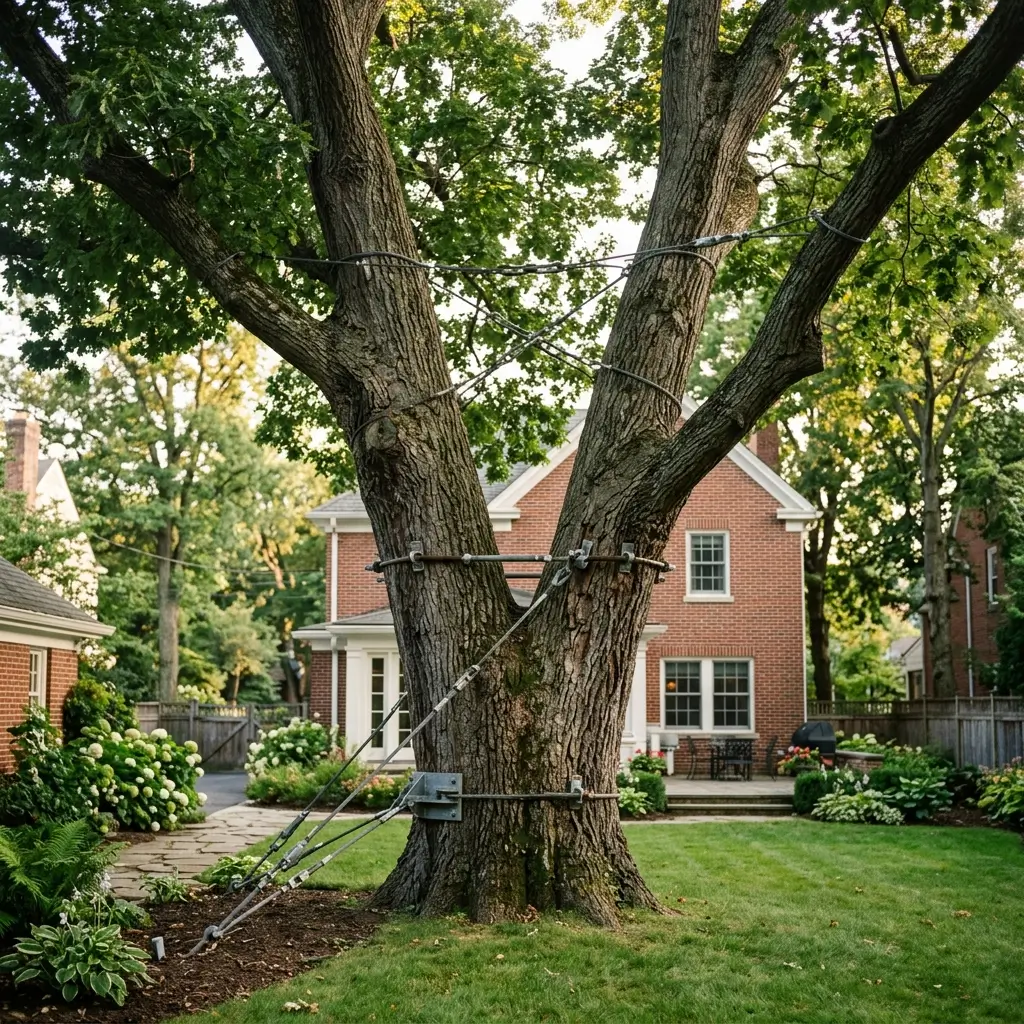
Save Valuable Trees with Tree Cabling and Bracing in Radford
Have you noticed a split in your tree that widens each year, especially during storms in Radford? Large limbs can weigh more than a thousand pounds, and weak forks can break without warning.
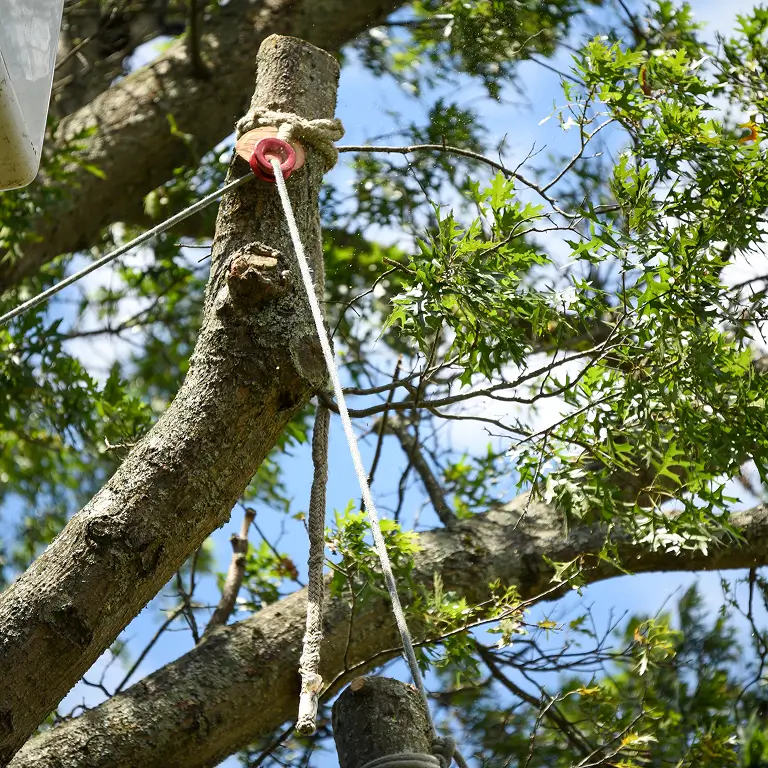
Our tree cabling and bracing in Radford help prevent these problems. We climb into the canopy to install steel cables and rods that relieve stress on cracks and allow the tree to move naturally in the wind.
Cabling costs much less than emergency tree removal or roof repairs. It also helps your tree continue cooling your home and holding your soil in place for years.
A single storm can turn a heavy branch into a hazard. Book a tree stability inspection with All Natural Tree Experts to help keep your trees strong.
Comprehensive Range of Tree Bracing and Cabling Services
Tree Cabling Installation
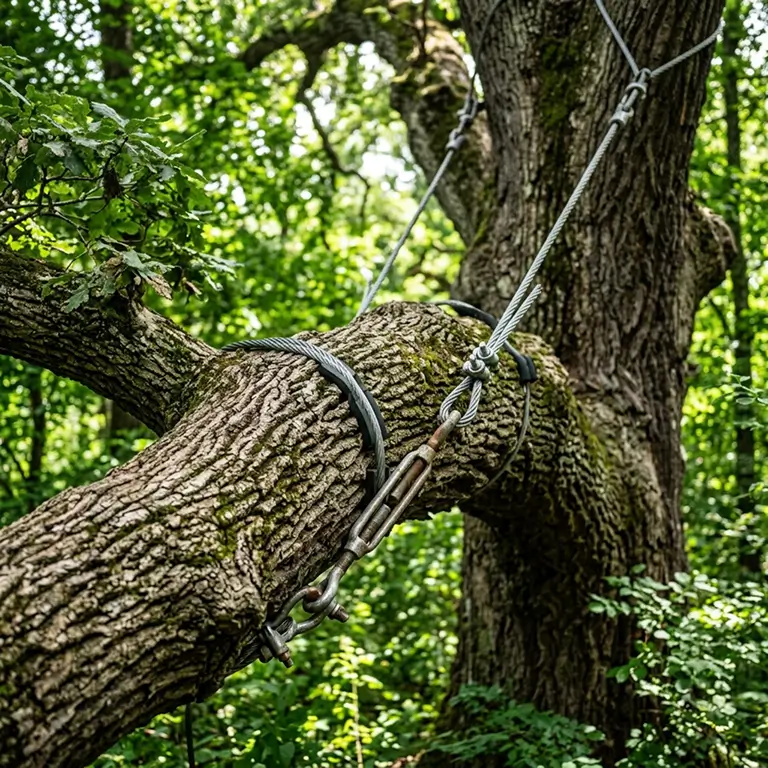
Tree Bracing Installation
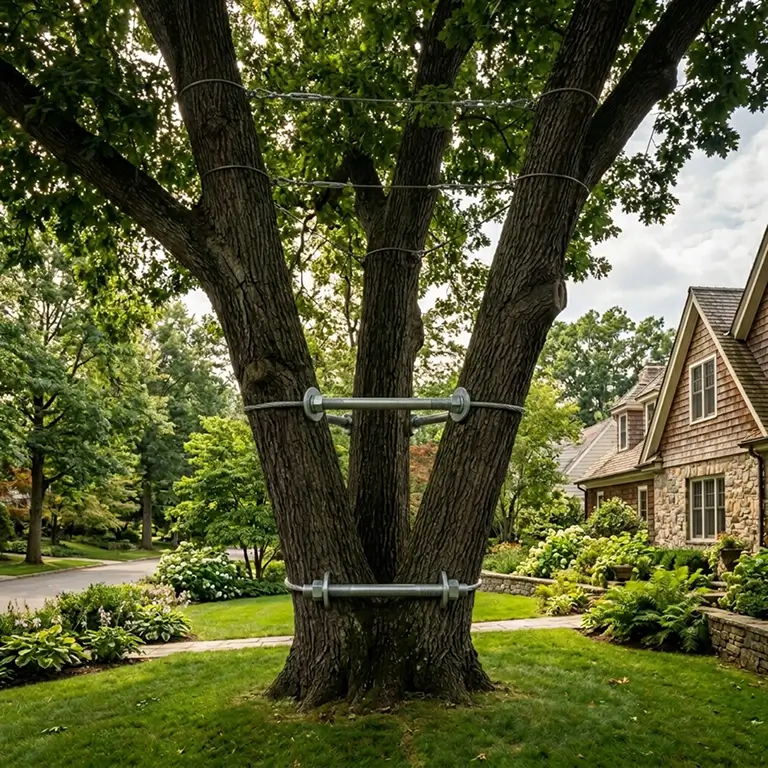
Structural Tree Assessments
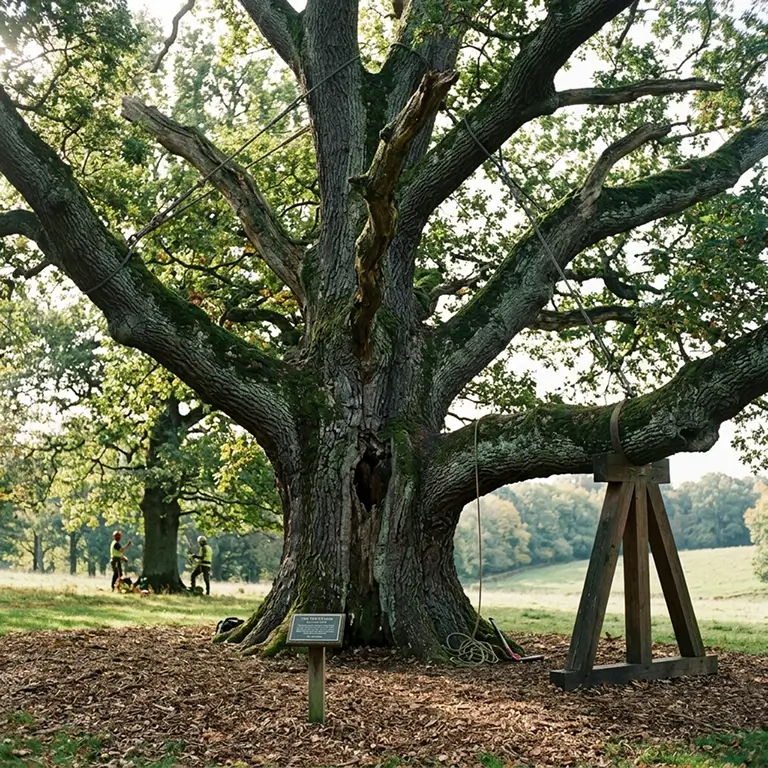
Static Tree Cabling
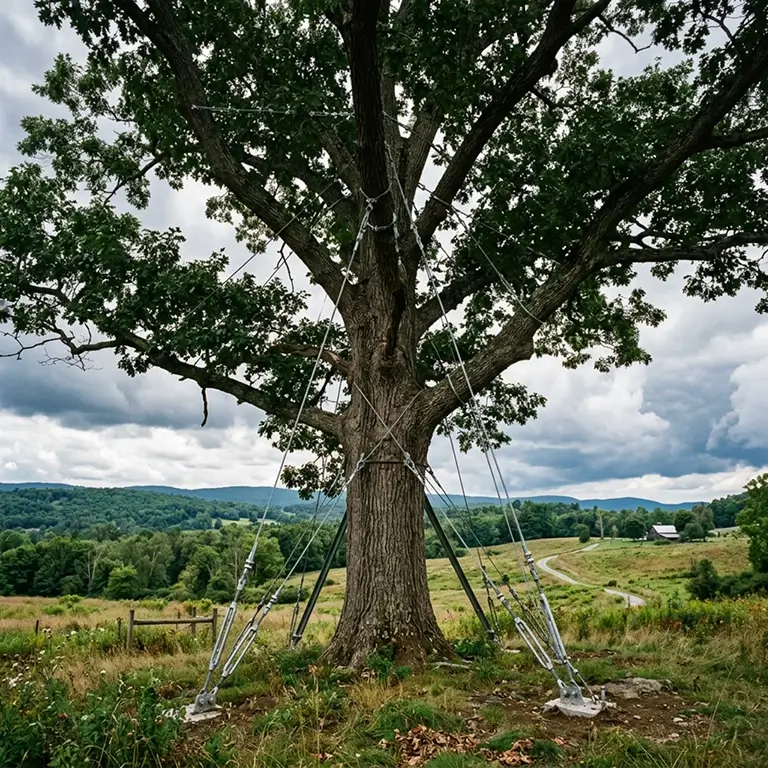
Preventive Tree Support
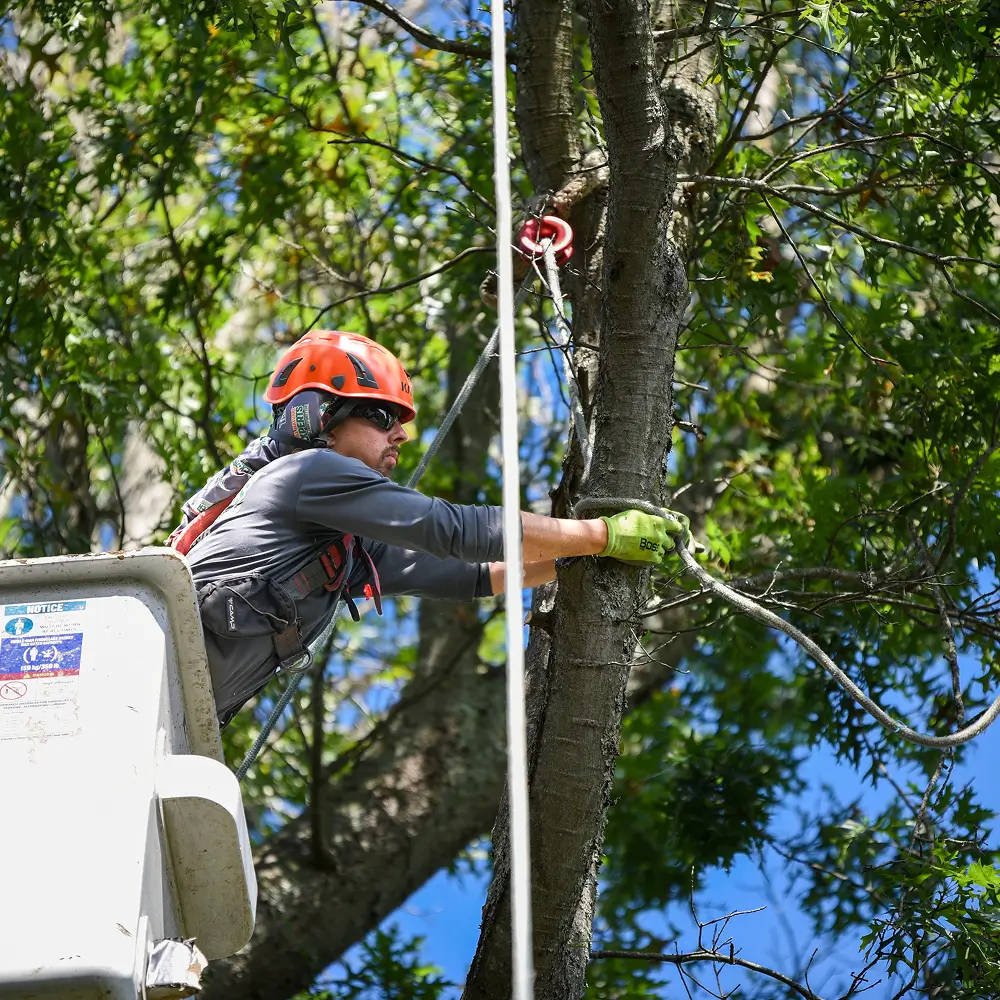
Mature Tree Support
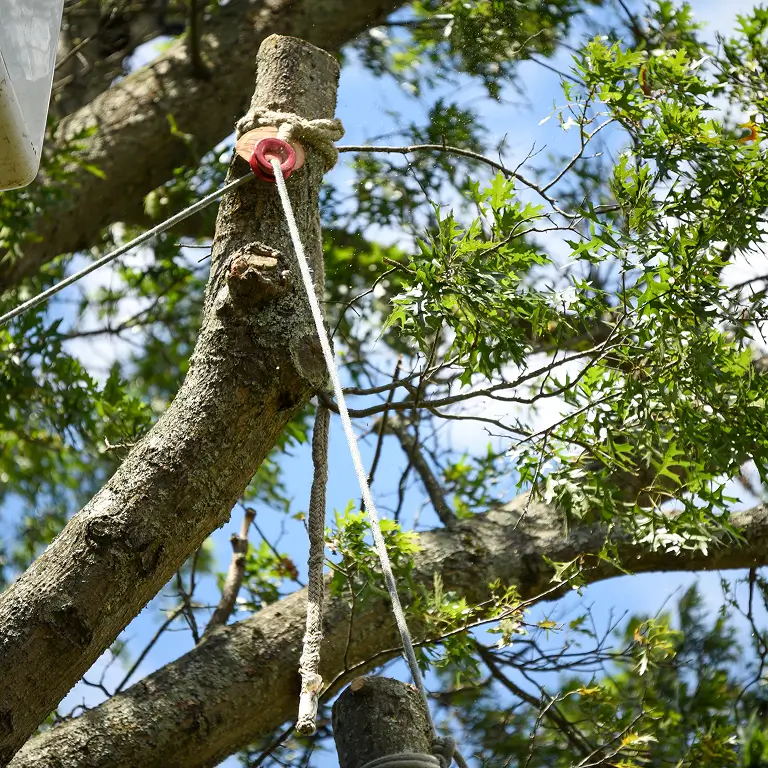
Does your tree need extra support? Give us a call to save your tree.
When Do Your Trees Need Cabling or Bracing?
Most trees show symptoms before they fall ill, and you can often spot them early. Here’s when to call us for professional bracing or cabling:
- Codominant stems with a tight V-shaped fork often split because the included bark creates a weak connection.
- Vertical trunk cracks can worsen after heavy rain, strong winds, or canopy movement.
- Uneven canopy weight may cause the tree to lean or lift the root plate on one side.
- Overextended limbs that move independently in the wind are more likely to break.
- Partially broken branches from storm damage continue to pull on the tree and can fail without warning.
- Decay or hollow areas near major branch unions weaken the tree's structural strength.
- Narrow branch angles often trap moisture, leading to decay and weak attachments over time.
If you notice a split or a lean in your tree, schedule tree cabling and bracing in Radford with our ISA-certified arborists.
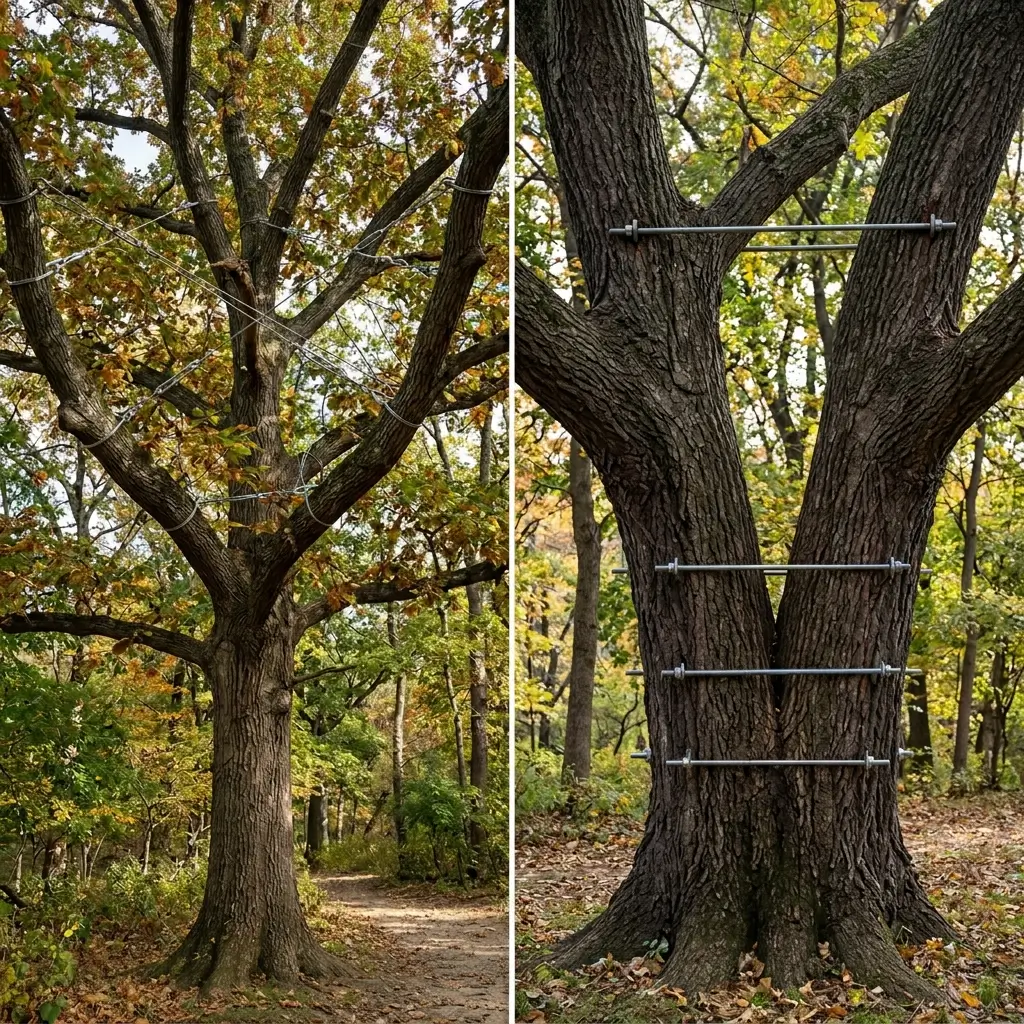
Cabling and Bracing for Multi-Stem Trees
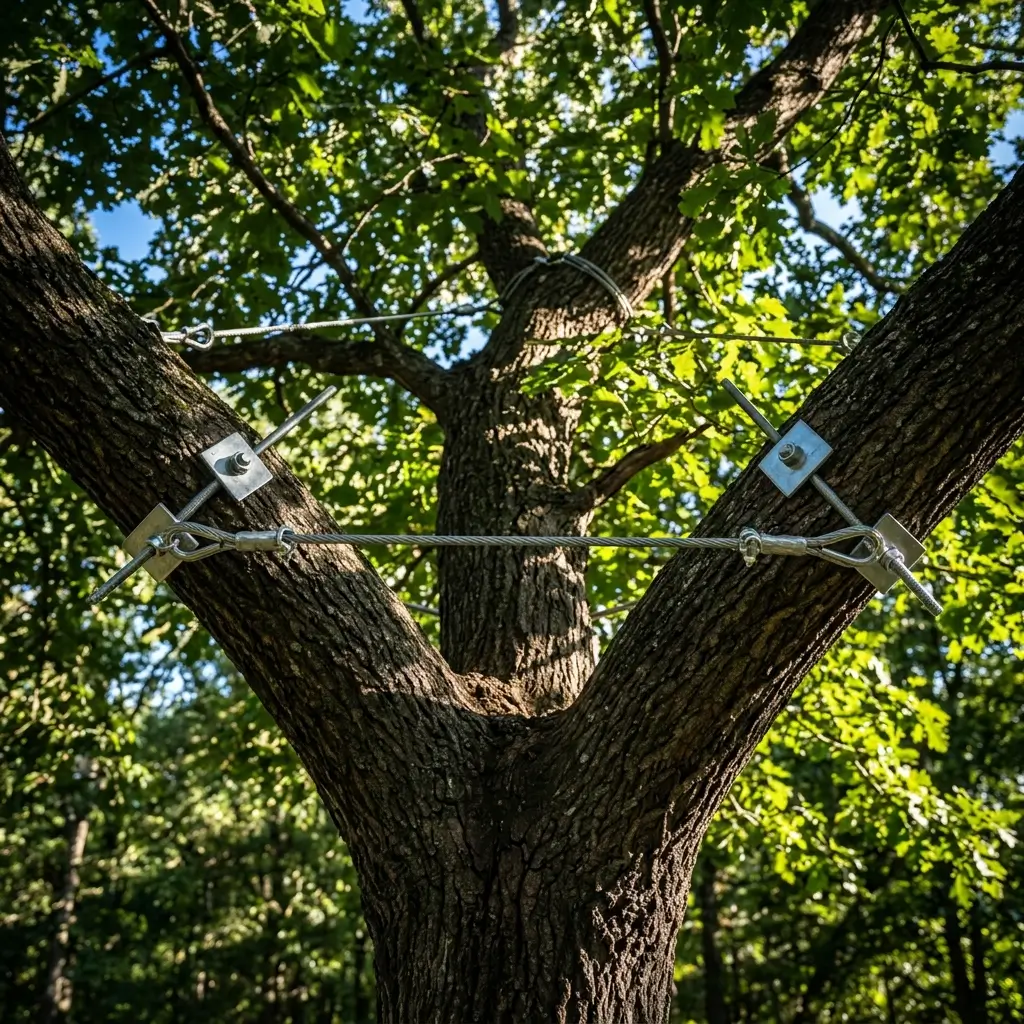
A multi-stem tree can split suddenly during a thunderstorm, even if it looks healthy. The trouble often starts where the trunks meet. As codominant stems grow, they trap bark between them, creating a weak spot called included bark. Because the stems never form a strong bond, wind and the canopy’s weight put stress on this area. Over time, this weak spot can fail, causing the tree to split during a storm.
Pruning alone cannot fix this type of problem. To strengthen the tree, we install steel rods below the weak spot to hold the stems together and add cables higher up to limit movement. The tree can still move in the wind, but the support system distributes the weight and keeps the stems from pulling apart. As the tree grows, it forms new wood around the hardware, making it more stable over time.
A tight fork might put your favorite tree at risk. Schedule tree bracing service to help your multi-stem tree remain strong during storms.

Which Trees Benefit Most from Cabling and Bracing?
While any tree with structural defects may benefit from support systems, few species commonly found in Southwest Virginia are more likely to develop weak branch unions, heavy limbs, or multiple trunks:
01
Bradford Pear develops weak, codominant stems that often split in high winds.
02
Silver Maple grows quickly but produces brittle wood and heavy limbs that are prone to breakage.
03
River Birch often develops multiple trunks that separate as the tree matures.
04
Red Oak has large horizontal branches that can crack under their own weight.
05
Pecan trees produce heavy nut crops, which place extra stress on branch ends.
06
Basswood can develop hidden internal decay, increasing the risk of sudden limb failure.
07
Elm trees develop wide, heavy canopies that often require support to reduce stress on major branch unions.
If you have a tree with a weak fork near your home, schedule a tree cabling service with us today to prevent problems early.
All Natural Tree Experts
How Many Years Do Tree Cables and Braces Last?
A properly installed steel cable system with a brace rod can last 20 to 40 years, but the tree continues to grow during that time. As new wood forms, the braces and cables may shift or loosen under the added weight. That’s why it’s important to have professional arborists inspect your tree every two to three years.
If you skip regular checkups, rubber sleeves can wear out, anchor points can shift, and the system might lose its grip. Usually, the hardware itself does not fail first. Instead, the tree outgrows the setup, and the tension changes. Keeping up with these changes helps your support system last longer and keeps your landscape safe during Radford’s storms.
A cable installed years ago can sometimes cause a heavy limb to fall if it is not inspected. Contact All Natural Tree Experts today for an inspection.
All Natural Tree Experts
Why Choose Our Tree Experts for Cabling and Bracing?
Tree support systems must be carefully installed to match the tree’s structure, species, and risk factors. Improper installation can create additional stress rather than solve the problem. Property managers in Radford trust All Natural Tree Experts for these reasons:
- ISA Certified Arborists who inspect weak branch unions up close and never rely on ground-level assumptions.
- ANSI A300 Part 3-compliant installations that follow national standards for tree cabling and bracing systems.
- TCIA-accredited company committed to current industry practices and professional safety standards.
- Years of experience handling storm-related tree defects, weak branch unions, and mature tree preservation in Radford.
- Commercial-grade steel hardware with bark-friendly components to reduce friction and tree injury.
- Custom-designed support systems sized to the actual weight, stress, and movement of each limb.
- Fully licensed and insured with liability and workers' compensation coverage for complete satisfaction.
If you want tree cabling or bracing performed by certified professionals who follow national standards, schedule an assessment with our arborists today.

Who we work with
Get A Free Consultation
Call or Fill Out The Form Below To Schedule An Arborist Assessment!
Frequently Asked Questions (FAQs)
Is tree bracing better than tree removal?
Bracing keeps the shade, root stability, and years of growth you already have. Removal eliminates the risk but leaves an empty spot and a stump. If the tree is healthy, bracing usually costs much less and keeps your yard looking good.
What is a tree trunk brace?
A tree trunk brace is a steel rod that passes through a split trunk to pull the sides together. The rod closes the crack, prevents it from spreading, and allows the tree to heal by growing around the hardware.
When is tree limb bracing recommended?
Limb bracing helps when a large branch has a deep crack where it meets the trunk, or when two main branches grow close together with bark trapped between them. These weak spots can split under stress.
How does a tree pulling cable help stabilize a tree?
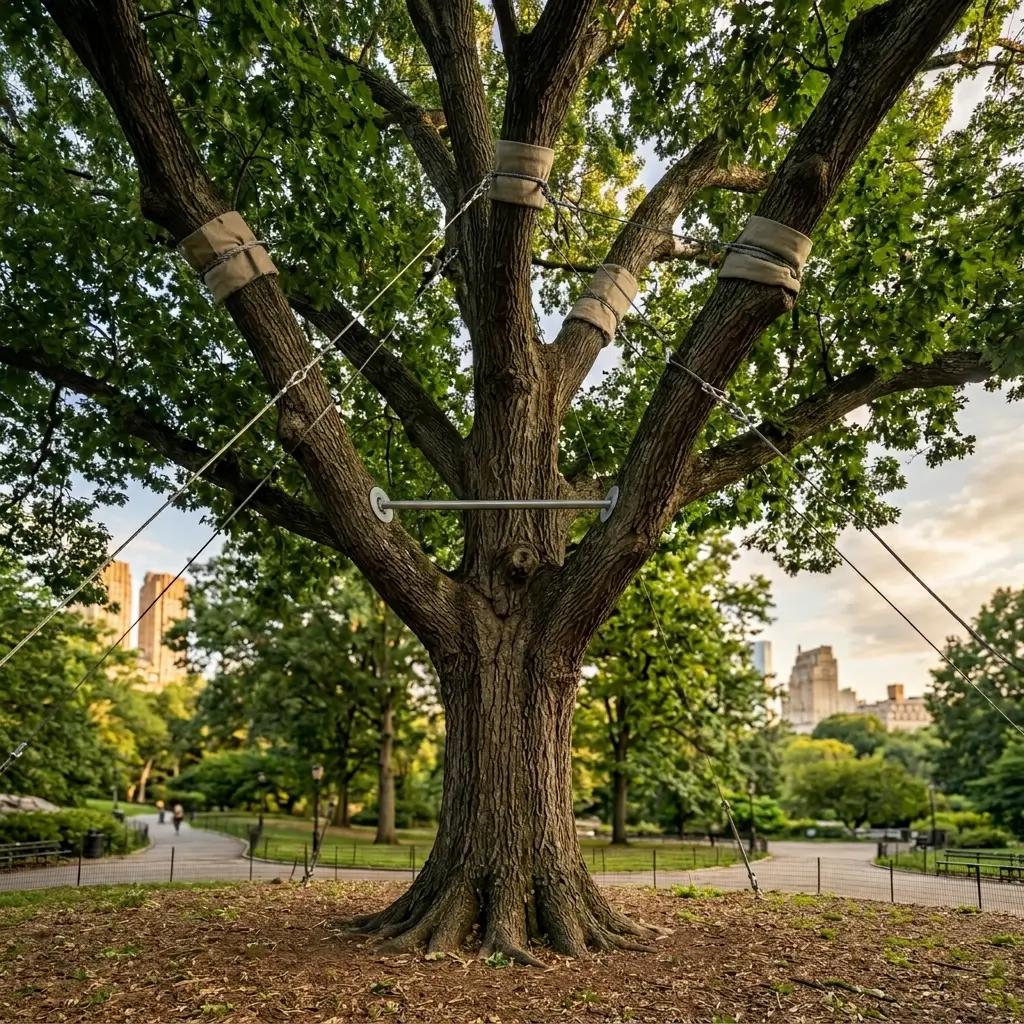
A pulling cable connects two or more large branches high in the tree. This spreads wind force across the entire canopy, so the tree moves as a unit rather than twisting and splitting at the fork.
Can tree branch bracing prevent storm damage?
Yes, a tree limb brace supports a cracked or stretched branch at its weakest point. During sudden storms in Radford, the brace absorbs the force that could otherwise break the branch from the trunk.