Plant Analysis and Health Diagnostics in Salem, VA
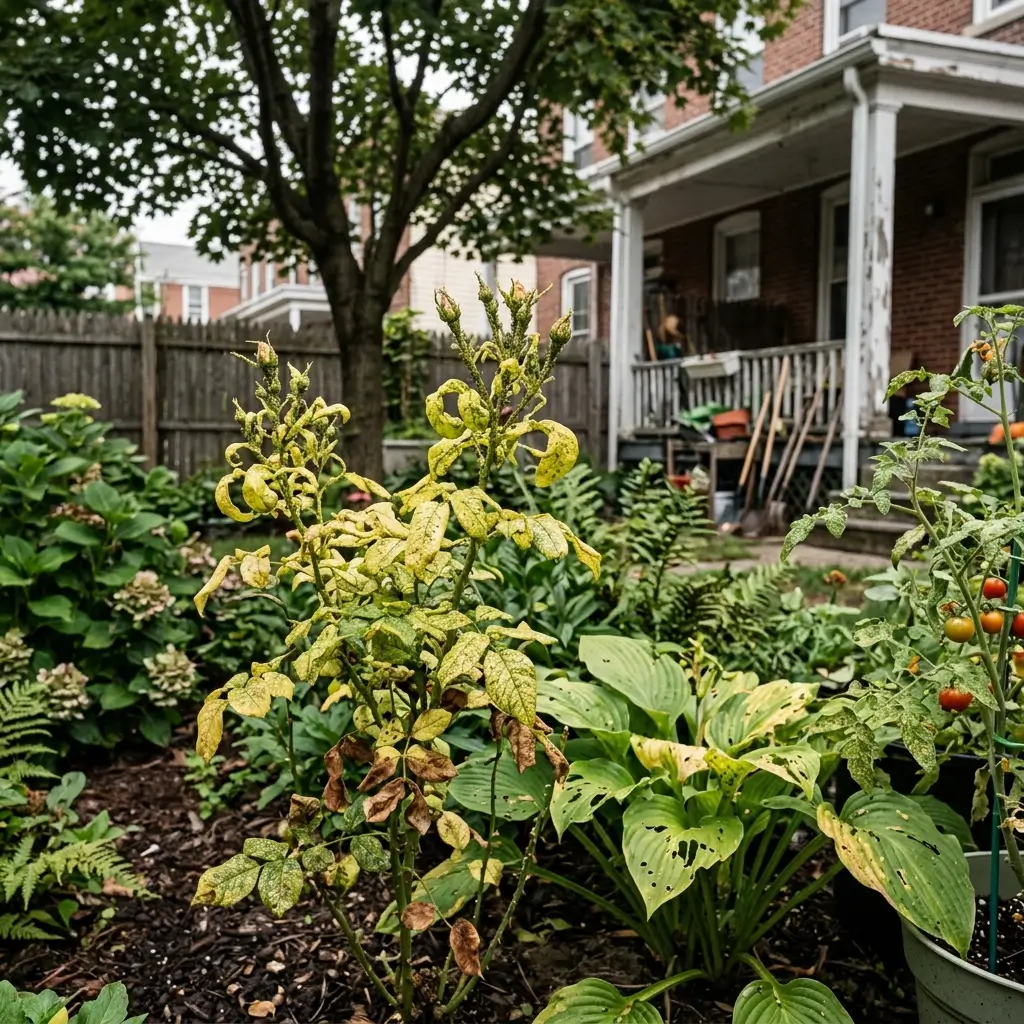
Curling leaves, cracked bark, thinning canopies, and branch dieback can be signs of disease, pest activity, root problems, nutrient imbalances, or environmental stress. All Natural Tree Experts provides professional plant analysis and tree health diagnostics in Salem, VA, to identify the likely cause of these problems and recommend the most appropriate next step.
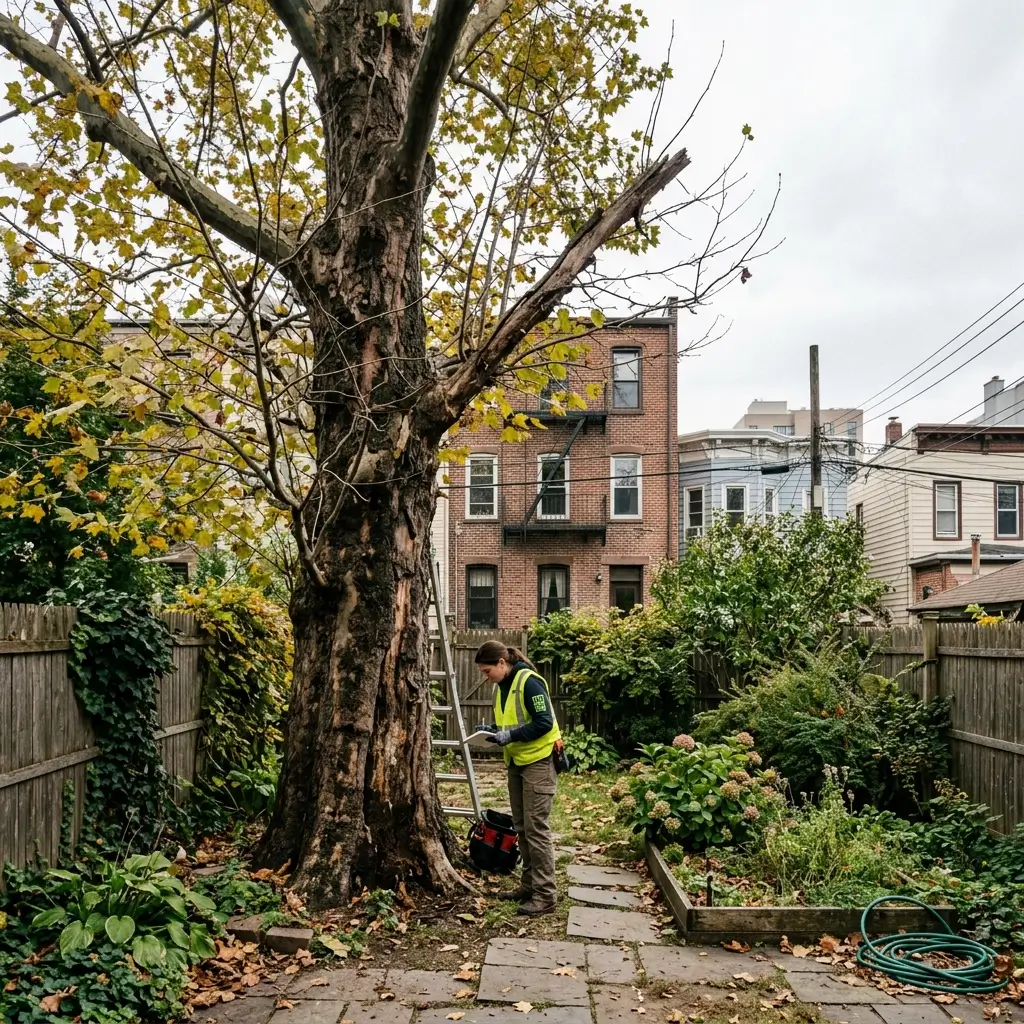
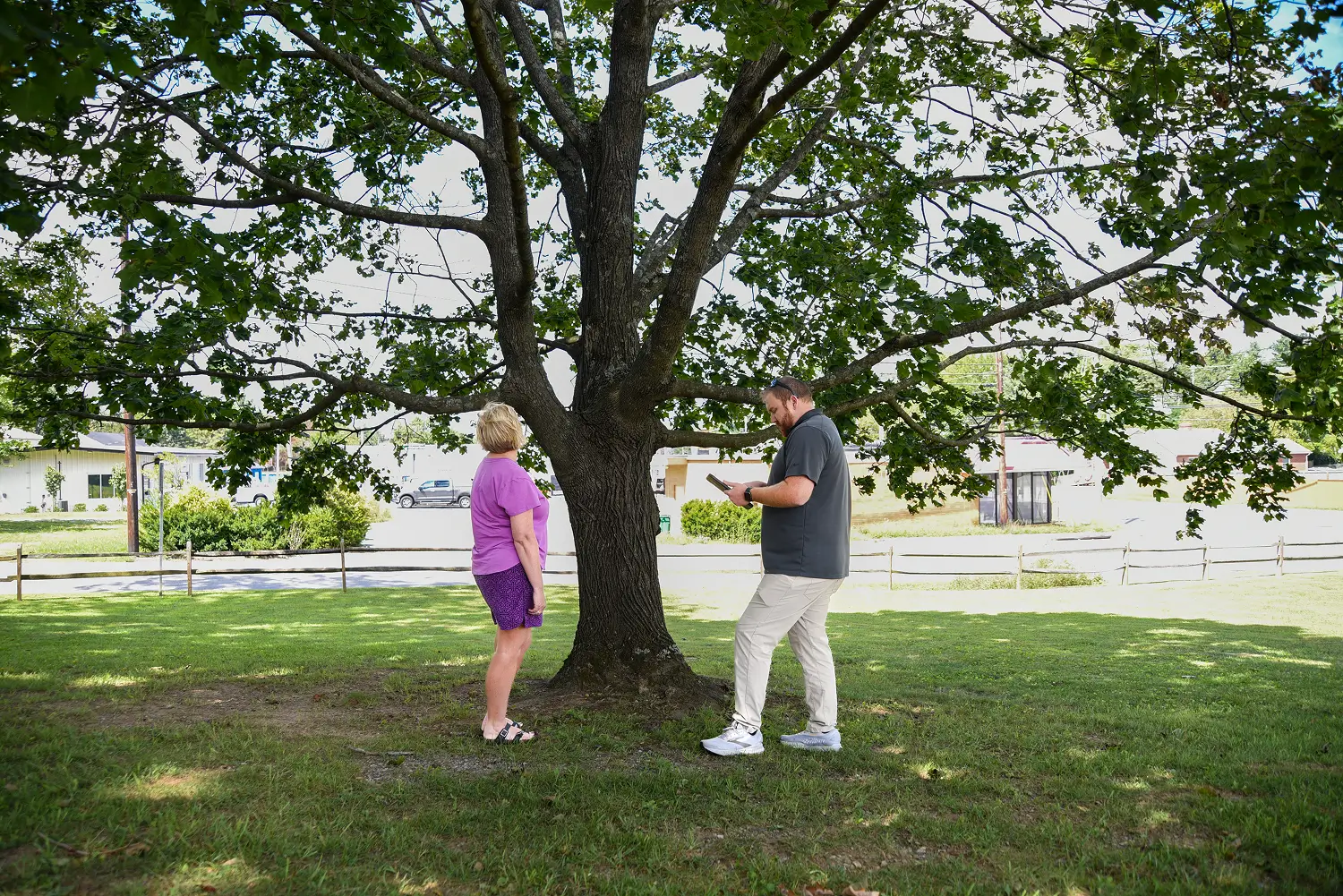
Our ISA-certified arborists begin with a detailed inspection of your tree, its root zone, and the surrounding site conditions.
When a visual inspection does not provide a clear answer, we may recommend targeted testing, such as plant tissue analysis or soil testing, to better understand what is affecting the tree.
Call Us for Plant Analysis & Diagnostics
(540) 230-1098Identify the Tree Problem with Our Professional Tree Health Diagnostics in Salem
Trees can show similar symptoms for very different reasons. Early leaf drop, sticky residue, canopy thinning, and branch dieback may be linked to pest activity, disease, root stress, soil compaction, nutrient problems, or other environmental conditions. Treating visible symptoms without identifying the underlying cause can lead to unnecessary work and may allow the problem to continue.
All Natural Tree Experts provides plant analysis and tree health diagnostics in Salem, VA. Our arborists begin with a detailed inspection of the canopy, trunk, visible root flare, soil conditions, and surrounding site. When an inspection alone does not provide a clear answer, we may recommend targeted testing, such as plant tissue analysis, soil evaluation, pest identification, or internal decay assessment.
The results help us identify the most likely cause of the problem and recommend an appropriate treatment, monitoring plan, or next step based on the tree’s species, condition, and growing environment.
Schedule a Plant Health Inspection to Get Clear Answers About Your Tree
Science-Based Methods We Use to Diagnose Plant Health Problems
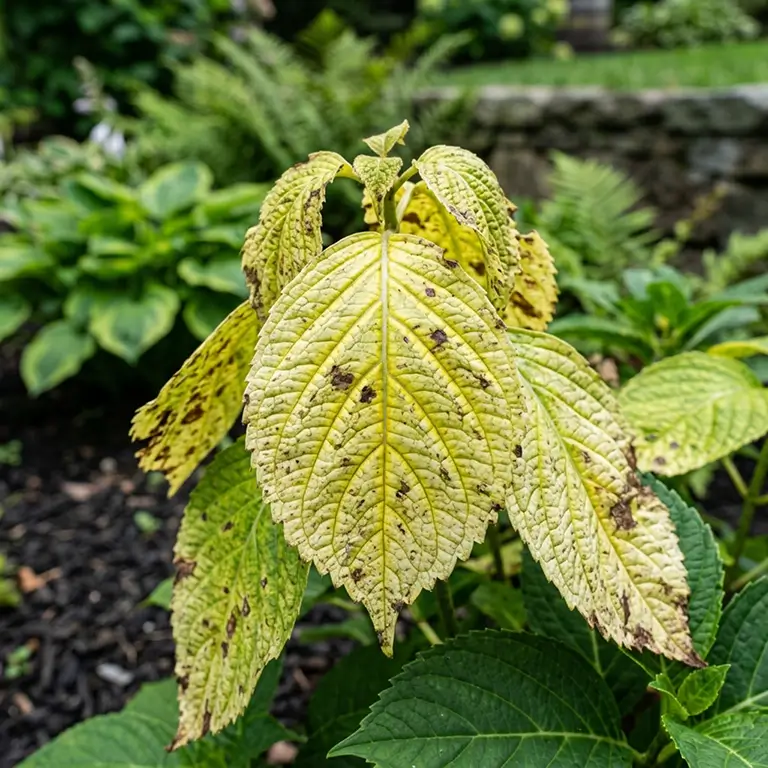
Plant Tissue Analysis
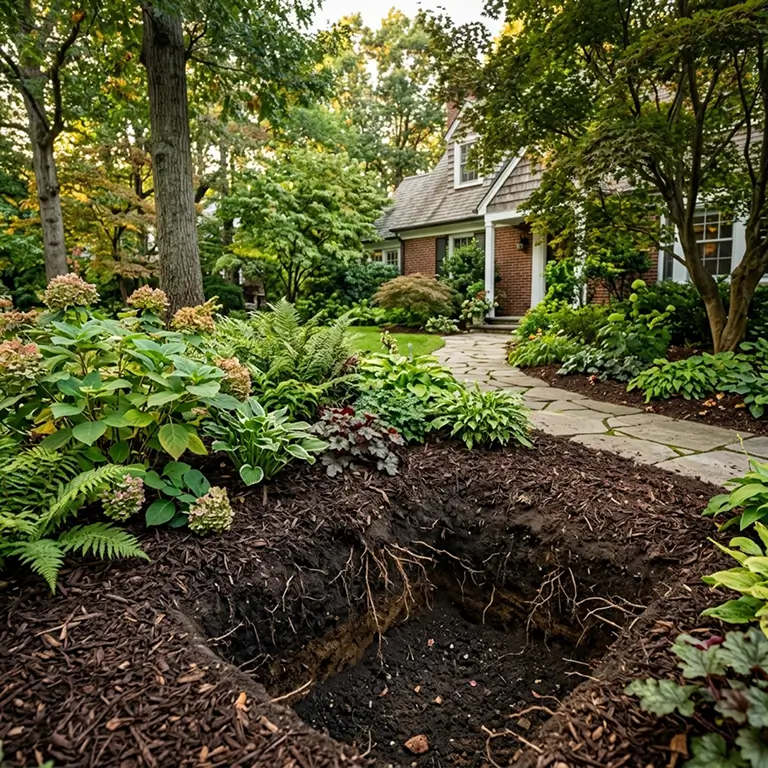
Soil Drainage Assessments
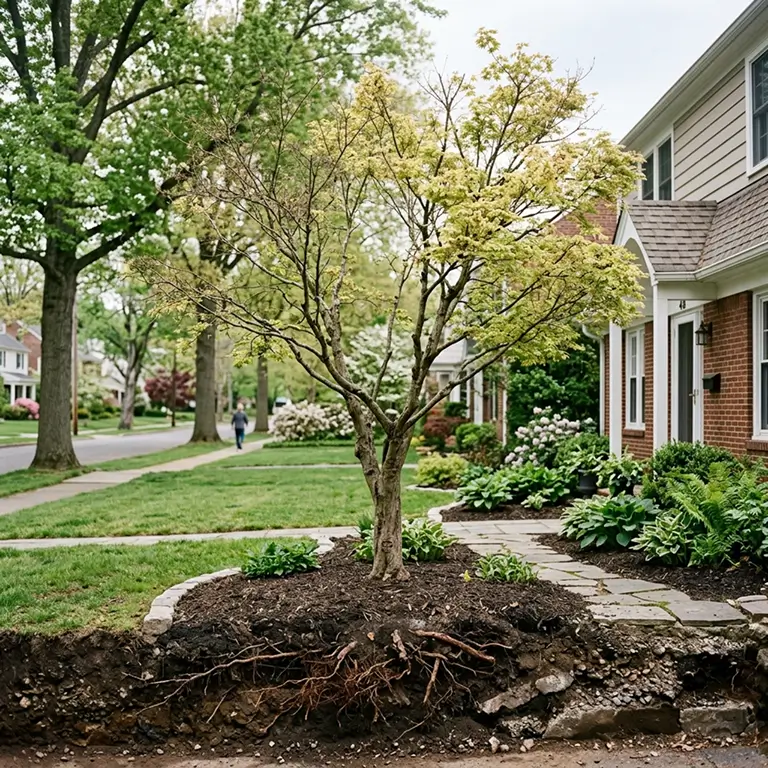
Root System Analysis
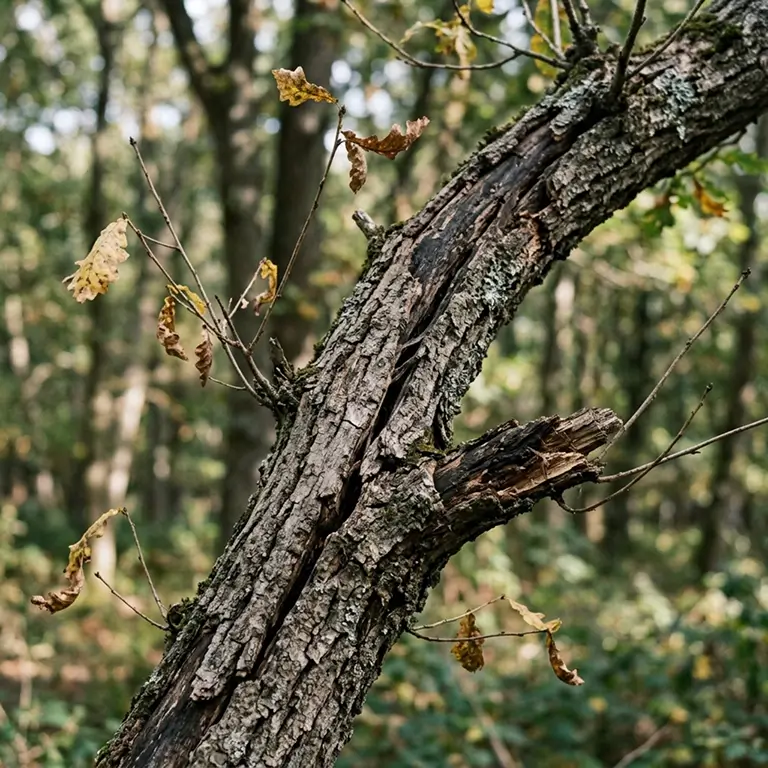
Tree Structure Evaluations
Ask us which diagnostic method fits the symptoms you’re seeing, and we’ll explain why before we recommend it.
Does Your Plant Need Professional Care? Watch for These Common Symptoms
Some symptoms mean a tree needs water or a light prune. Others mean decline has already started underground. Catching the difference early determines whether a tree recovers in a season or needs years of corrective care. Watch your trees for these warning signs, and call us before small problems become major structural issues:
- Leaves that yellow between the veins while the veins stay green
- Bark that splits, peels, or oozes sap without an obvious wound
- Branches that die back from the tips inward
- Mushrooms or conks growing at the base of the trunk
- A canopy that thins unevenly on one side of the tree
- Cracks or cavities forming where large branches meet the trunk
- Leaning that wasn't there a year ago, especially after heavy rain
Are you seeing any of these signs? Schedule a plant health inspection before the next storm tests that tree's limits.

Customized Treatment Plans to Save Your Diseased Plants
No two stressed trees respond to the same treatment, even when the diagnosis looks similar on paper. A red maple with early-stage verticillium wilt needs a different approach than one dealing with soil compaction alone. We build each treatment plan around the specific pathogen, pest, or stressor identified during diagnostics, along with the tree’s age, species, and site conditions.
Treatment might mean targeted fungicide injections, root zone aeration, corrective pruning to remove infected limbs, or a fertilization program suited to the soil test results. In some cases, the right plan is monitoring the tree over several seasons instead of intervening right away.
We explain each option and the reasoning behind it, so you understand what your tree actually needs.
When Does a Tree Need Diagnostic Testing?
Not every tree problem requires laboratory testing or advanced diagnostic equipment. In some cases, an experienced arborist can identify the likely cause through a detailed inspection of the tree, root zone, soil conditions, and surrounding site.
Additional testing may be recommended when symptoms have several possible causes, the tree is declining without an obvious explanation, or the findings could change the recommended treatment. For example, yellowing leaves may be related to nutrient availability, soil conditions, root damage, environmental stress, or disease. Testing can provide useful information when visual symptoms alone do not point to one likely cause.
Our arborists recommend additional testing only when it can help clarify the problem and guide a more appropriate course of action.
Talk to an Arborist About Your Tree’s Symptoms
We Serve All of Salem
Salem’s mix of humid summers, clay-heavy soil, and sudden freeze-thaw cycles in winter puts stress on trees across the region. That combination invites root rot, frost cracking, and fungal disease that often start below the surface, where DIY treatment can’t reach. Testing the actual cause matters more here than it does in drier climates.
We provide plant analysis and diagnostics throughout Salem, from the established tree canopy in South Salem to newer plantings near West Salem. Properties close to the Roanoke River and Green Hill Park often deal with added moisture stress, which we factor into every soil assessment.
Wherever your tree is located in Salem, we can get you an accurate diagnosis.
Why Salem Homeowners Choose All Natural Tree Experts
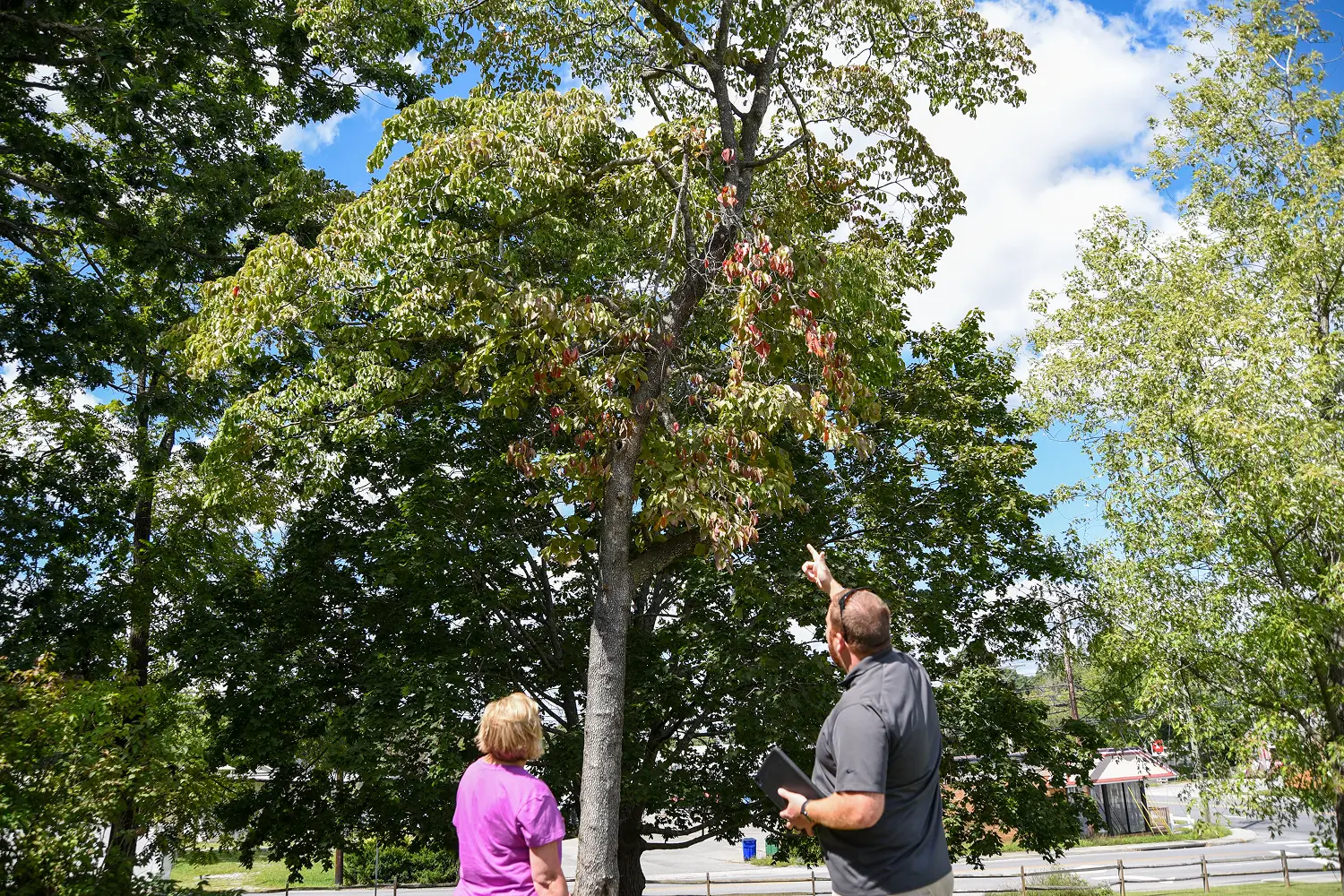
When a tree or shrub starts declining, the right diagnosis matters more than a quick recommendation. Homeowners in Salem, Virginia, trust All Natural Tree Experts because our arborists identify the underlying cause before suggesting treatment. Every recommendation is based on careful inspection, diagnostic testing when needed, and proven arboricultural practices. See what makes us a trusted tree care company:
- ISA-certified arborists trained to diagnose insects, diseases, nutrient deficiencies, and structural problems
- Diagnostic testing used when a visual inspection alone cannot identify the cause
- Recommendations based on inspection findings, laboratory results, and accepted arboricultural practices
- Treatment plans tailored to the tree's species, condition, age, and growing environment
- Clear explanations of the diagnosis, available treatment options, and what to expect moving forward
- Follow-up inspections when needed to monitor the tree's response and adjust the treatment plan
Schedule your plant analysis and diagnostics appointment in Salem, and find out what’s really going on with your tree.
Frequently Asked Questions (FAQs)
01. How much does a plant diagnostic inspection cost in Salem?
Cost depends on the tree’s size, the symptoms present, and whether lab testing is needed. A visual inspection alone costs less than a visit that includes tissue sampling or resistograph testing. We give you a price before any testing begins, so there are no surprises on the invoice.
02. What's the difference between a tree inspection and a full diagnostic?
An inspection is a visual review of the canopy, trunk, and visible root flare. A diagnostic workup adds lab testing, like tissue analysis or soil assessments, to confirm what the visual signs suggest. We recommend a full diagnostic when symptoms don’t point to one clear cause.
03. Will a diagnosis tell me if a tree needs to be removed?
Yes. If testing shows advanced internal decay or a structural failure risk, we’ll tell you directly and explain why removal is the safer option. In most cases, though, early diagnosis catches problems while treatment is still possible.
04. How often should homeowners have their trees checked?
Most healthy trees benefit from a checkup once a year, ideally in spring before pests and fungal disease become active. Trees already showing stress, or those near construction or storm damage, need more frequent monitoring until the issue is resolved.
Get A Free Consultation