Expert Plant Analysis & Diagnostics in Cave Spring
ISA-Certified Arborists for Early Tree Problem Detection
Leaf discoloration, thinning foliage, dead branches, unusual bark changes, and declining growth can indicate problems with a tree’s roots, soil, pests, disease, or growing conditions. All Natural Tree Experts provides plant analysis and tree health diagnostics in Cave Spring, Virginia, to investigate these symptoms and identify the most likely underlying causes. Our ISA-certified arborists examine the tree, root zone, and surrounding site conditions and recommend additional testing when a visual assessment alone isn’t enough.
We assess the tree’s symptoms and growing conditions, identify potential causes, explain our findings, and recommend the appropriate next step, whether that means treatment, corrective care, monitoring, or further testing.
Call Us for Plant Analysis & Diagnostics
(540) 230-1098Get an Accurate Tree Health Diagnosis from Our Certified Arborists in Cave Spring
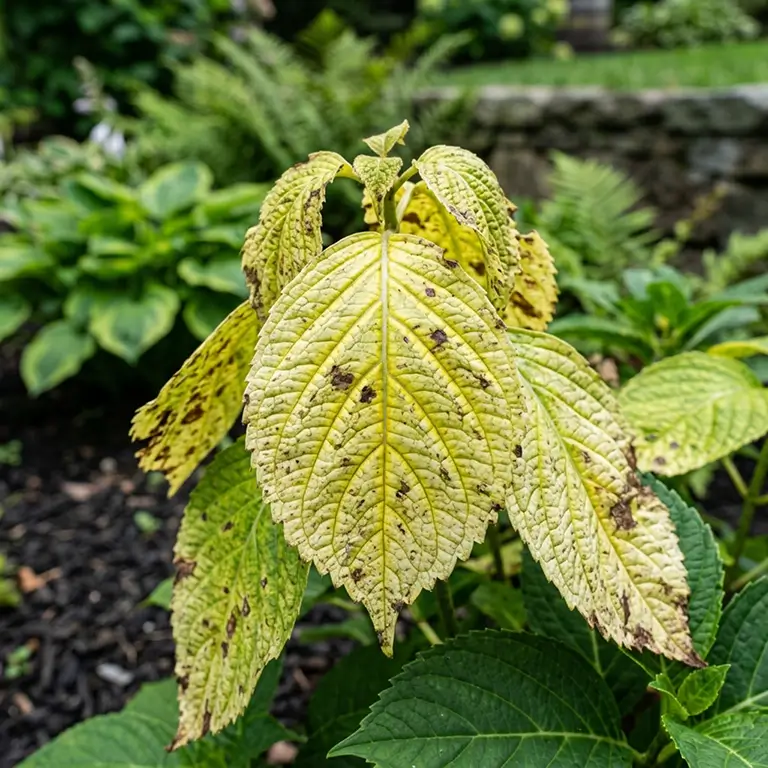
Trees show trouble in different ways depending on what’s actually wrong. Yellowing between the leaf veins often points to a nutrient problem, while dieback starting at the branch tips can signal disease or root stress. Treating the most visible symptom without knowing the real cause wastes time and money and can let the real problem progress underneath. We offer plant analysis & diagnostics in Cave Spring to identify the cause of these symptoms.
Our arborists begin with a detailed visual inspection of the tree, including its foliage, branches, trunk, root flare, and surrounding site. When visible signs do not provide enough information, we can consider additional evaluation such as plant tissue analysis, pathogen identification, and soil drainage assessments. Combining these findings helps build a clearer picture of the tree’s health and supports recommendations based on evidence rather than assumptions.
Seeing unexplained changes in a tree? Get a professional assessment before the symptoms become harder to trace.
What We Examine During a Plant Health Assessment
Foliage Condition
Branch Structure
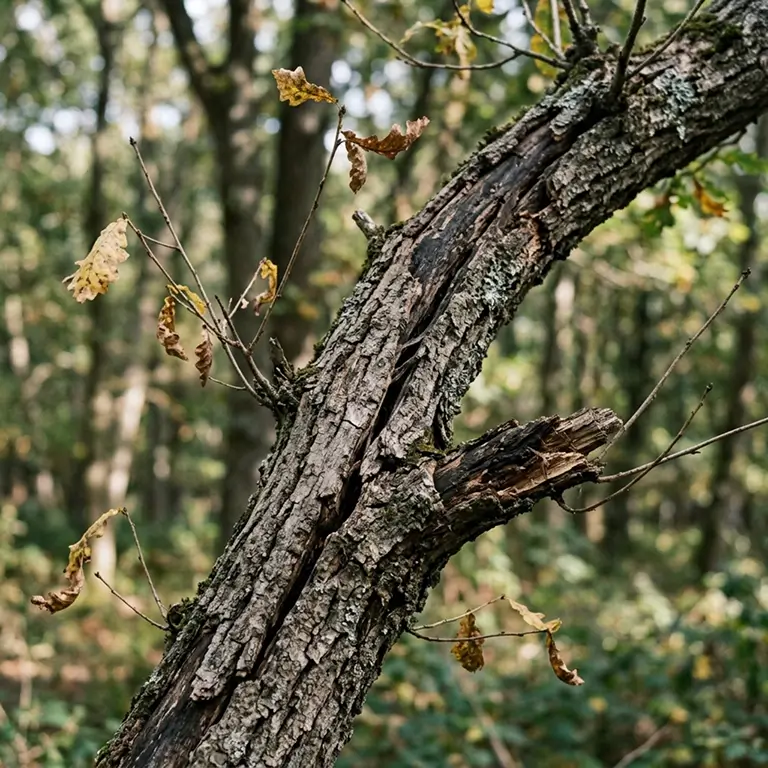
Trunk and Bark
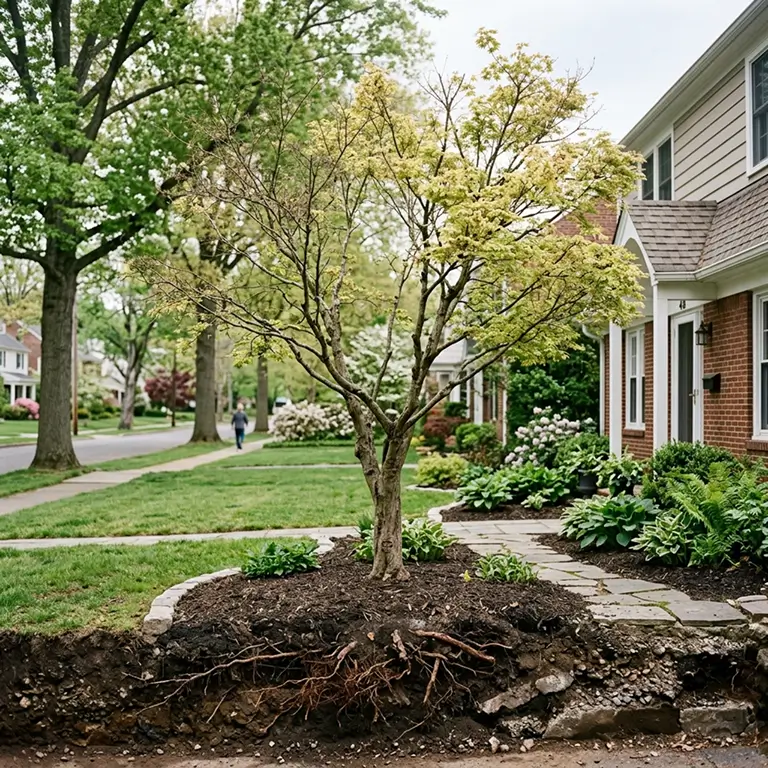
Root Zone
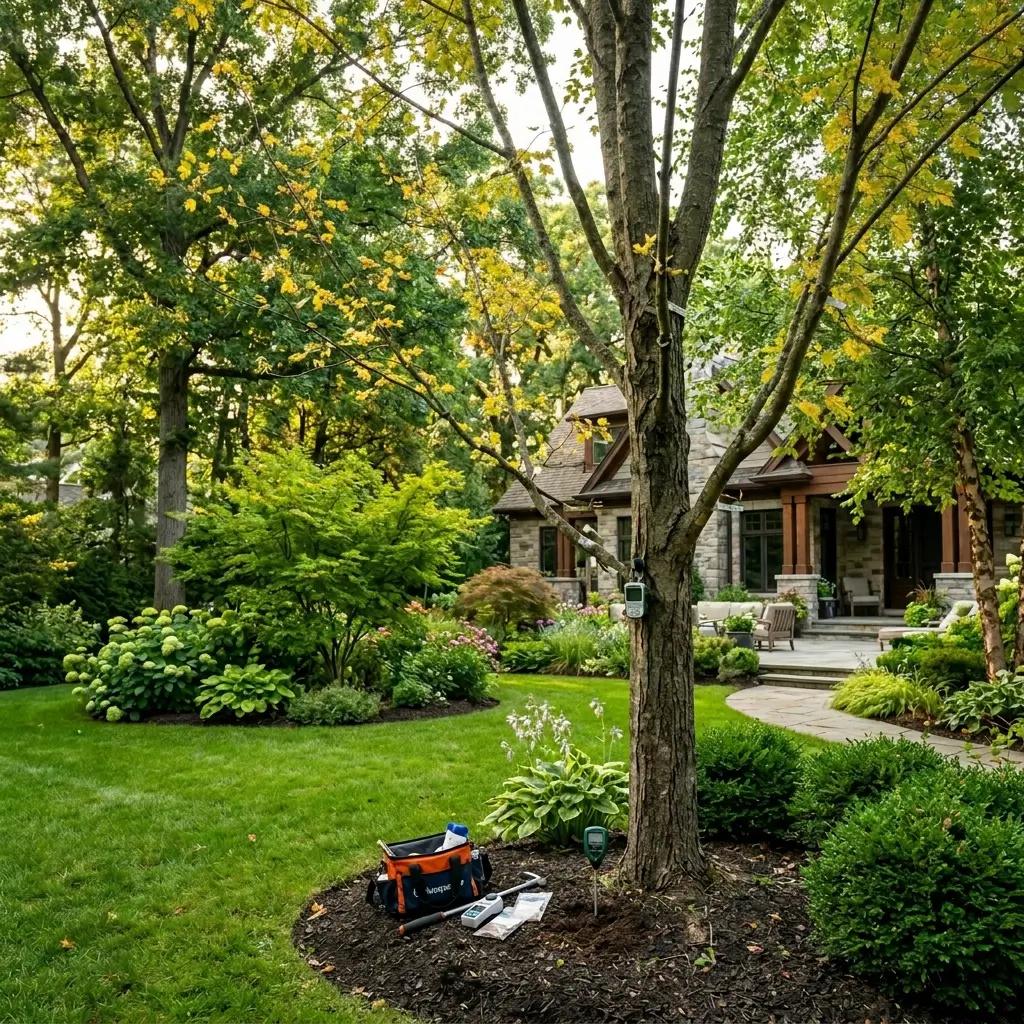
Site Conditions
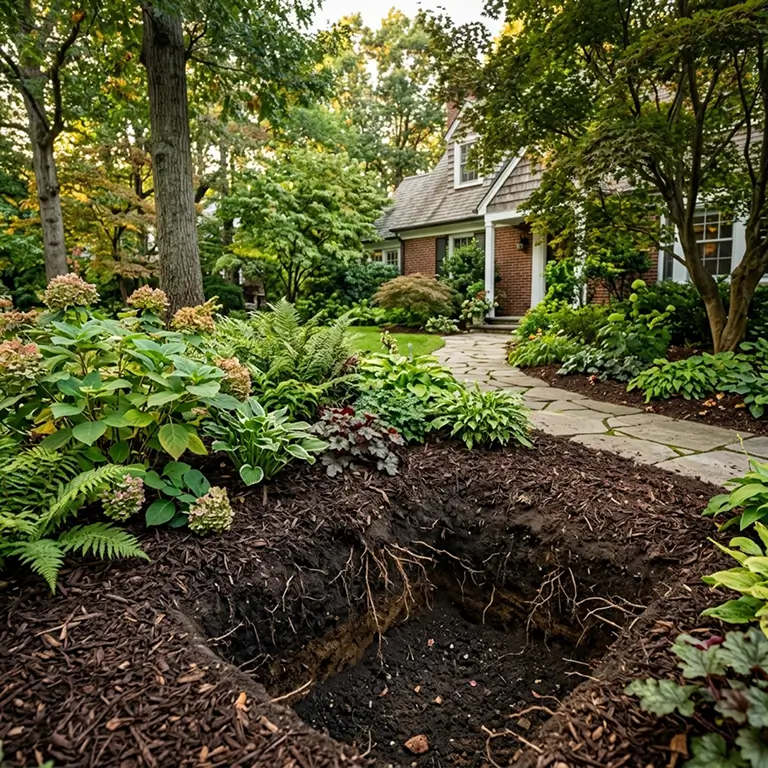
The combination of these assessments gives our arborists a clearer picture of the factors affecting your tree’s health and helps guide the next steps.
How Our Arborists Diagnose Tree Health Problems
- Review the symptoms: We discuss what you've noticed, when the symptoms appeared, and whether anything recently changed around the tree.
- Identify the tree and its growing conditions : Species, age, sunlight, irrigation, soil conditions, surrounding vegetation, and recent construction can all affect how symptoms develop.
- Inspect the tree : We examine the foliage, canopy, branches, trunk, bark, root flare, and visible root-zone conditions for signs of disease, pests, structural problems, or environmental stress.
- Evaluate the site : Soil compaction, drainage, irrigation, construction activity, grade changes, and other site conditions can affect root health and overall tree vigor.
- Determine whether additional testing is warranted : When symptoms cannot be explained confidently through visual and site assessment alone, targeted testing may help narrow down the cause.
- Explain the findings and next steps : Once the available evidence has been evaluated, we explain the likely cause and recommend appropriate next steps based on the tree's condition.
Call us Now to Get a Free Quote Today
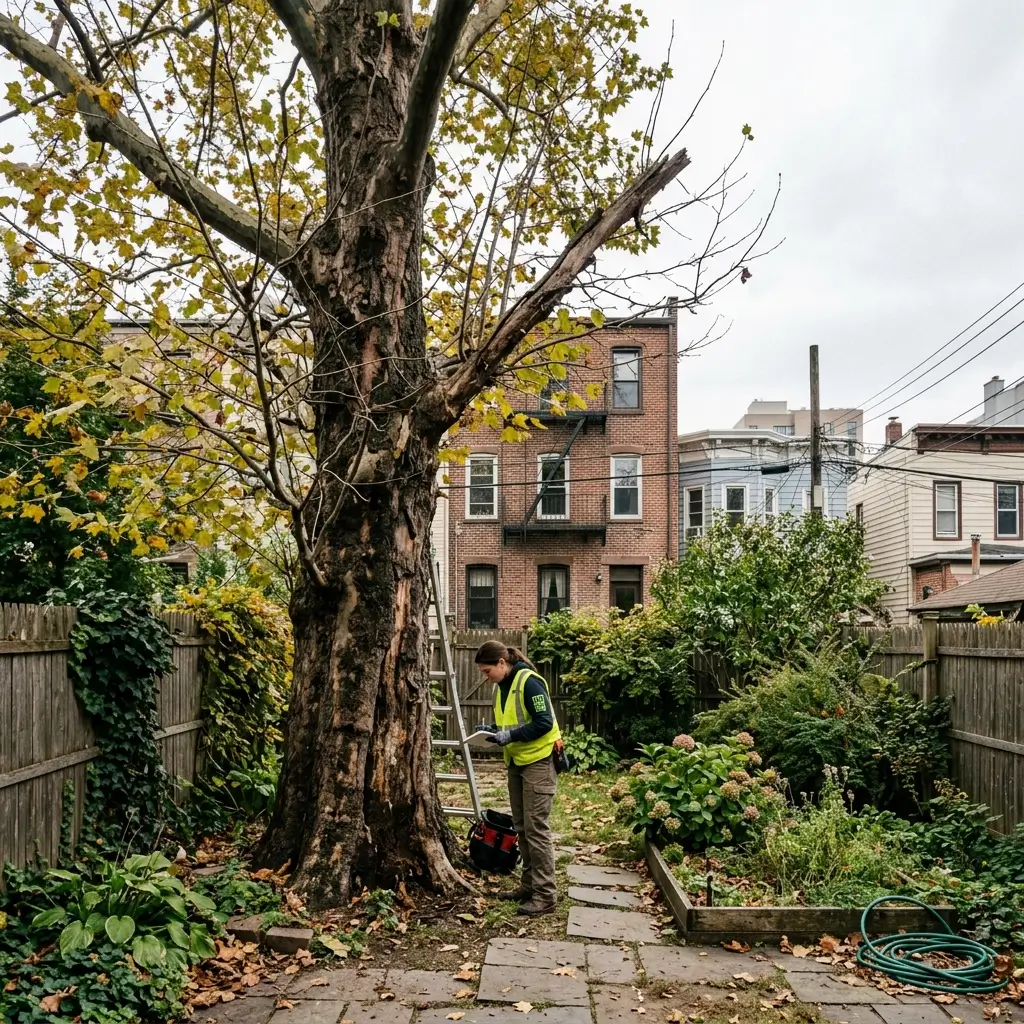
Tree Stress vs. Tree Disease - What’s The Difference
Tree stress can develop from drought, compacted soil, poor drainage, root damage, construction, or other changes around the root zone. Our arborists look for signs such as wilting, leaf scorch, premature leaf drop, reduced growth, and canopy decline, then consider the tree’s species, growing conditions, and recent changes to the site.
Disease can produce similar symptoms, so we do not rely on one visible sign to identify the problem. We examine the leaves, bark, branches, canopy, root zone, and surrounding soil while looking for patterns that may point to a fungal, bacterial, or other pathogen.
We also check for insect activity and environmental stressors that could be contributing to the tree’s decline. This assessment helps determine whether the tree needs improved growing conditions, monitoring, pruning, treatment, or further testing.
Not sure whether your tree is stressed or diseased? Let our arborists examine the symptoms and growing conditions together.
Consequences of Undiagnosed Tree Health Problems
- Continued Decline: An untreated underlying problem can continue affecting the tree even when symptoms appear minor. Over time, reduced growth, canopy thinning, and branch dieback may become more extensive.
- Root Damage Worsens: Root problems rarely show symptoms until significant damage has already occurred. By the time the canopy reflects the issue, the root system may already be compromised beyond simple correction.
- Structural Weakness Builds: Internal decay can progress for years without visible signs on the outside of the tree. This weakens the trunk or major limbs, increasing the risk of a sudden failure during storms.
- Treatment Options Narrow: Many tree health issues are far easier to manage in their early stages. Waiting until symptoms are obvious often limits the effective treatments and increases the odds that removal becomes the only option.
- Nearby Trees Become Vulnerable: Pests and diseases don't respect property lines or single trees. An undiagnosed problem can spread to healthy trees nearby, turning one issue into a landscape-wide concern.
Don't let an unexplained decline continue unchecked. An accurate assessment can clarify what is affecting the tree and what should happen next.
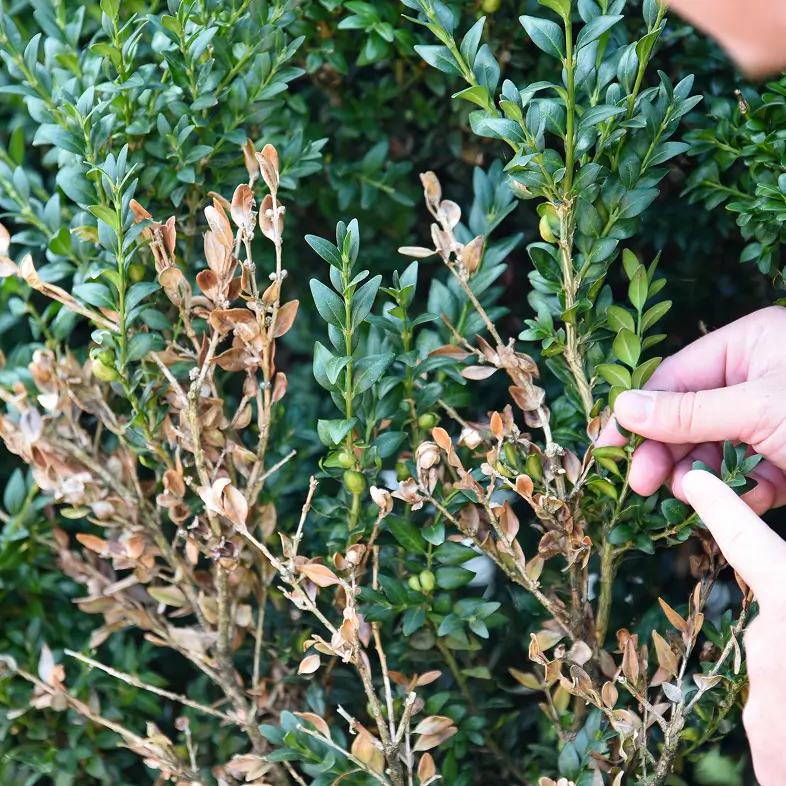
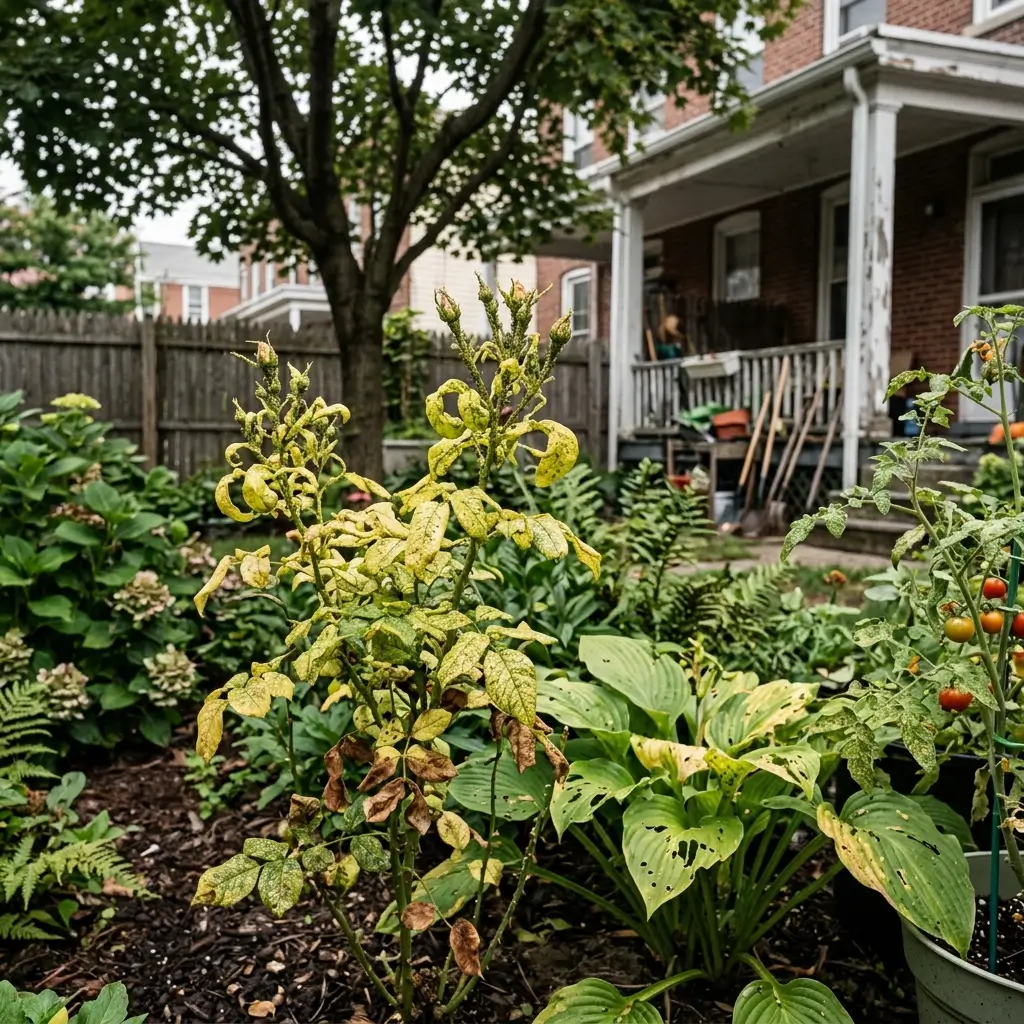
Is Your Tree Showing Signs of Declining Health? We Can Help Identify the Cause
Tree health problems can develop gradually, or they can appear after a sudden change in weather, soil conditions, or the surrounding landscape. Our arborists assess visible symptoms alongside the tree’s species, growing conditions, soil, root zone, and recent site changes to determine whether disease, insects, environmental stress, or another factor may be affecting its health.
Consider scheduling a professional assessment if you notice:
- Leaves staying yellow, pale, or unusually dark outside normal seasonal changes
- Premature leaf loss or noticeable thinning throughout the canopy
- Dead branches or sections of the canopy showing progressive dieback
- Cracks, cavities, peeling bark, cankers, or unusual growth on the trunk or branches
- Weak, sparse, or unusually short new growth
- A sudden change in foliage, growth, or overall tree condition without an obvious cause
Call us to book plant analysis and diagnostics in Cave Spring, Roanoke County, so our team can assess your tree’s condition, identify the underlying issues, and recommend the most appropriate next steps based on its actual health.
We Serve All of Cave Spring
Trees in Cave Spring, VA, experience summer heat, periods of high humidity, variable soil drainage, compacted soils, and changes caused by construction or landscaping. These conditions
affect roots, water uptake, and overall tree vigor. Our local arborists consider these factors alongside tree species, symptoms, and site history when investigating unexplained plant health problems.
All Natural Tree Experts provides professional plant health diagnostics throughout Cave Spring, including Sugar Loaf Hills, Canterbury Park, Winterberry, Crystal Creek, and Cave Spring Corners. We tailor each assessment to the tree and its growing environment rather than relying on the same approach for every property.
Whether you’re seeing declining foliage, unusual growth, weak branches, pest activity, or unexplained changes in tree health, we examine the available signs and site conditions before recommending the next step.
Why Cave Spring Homeowners Trust Us
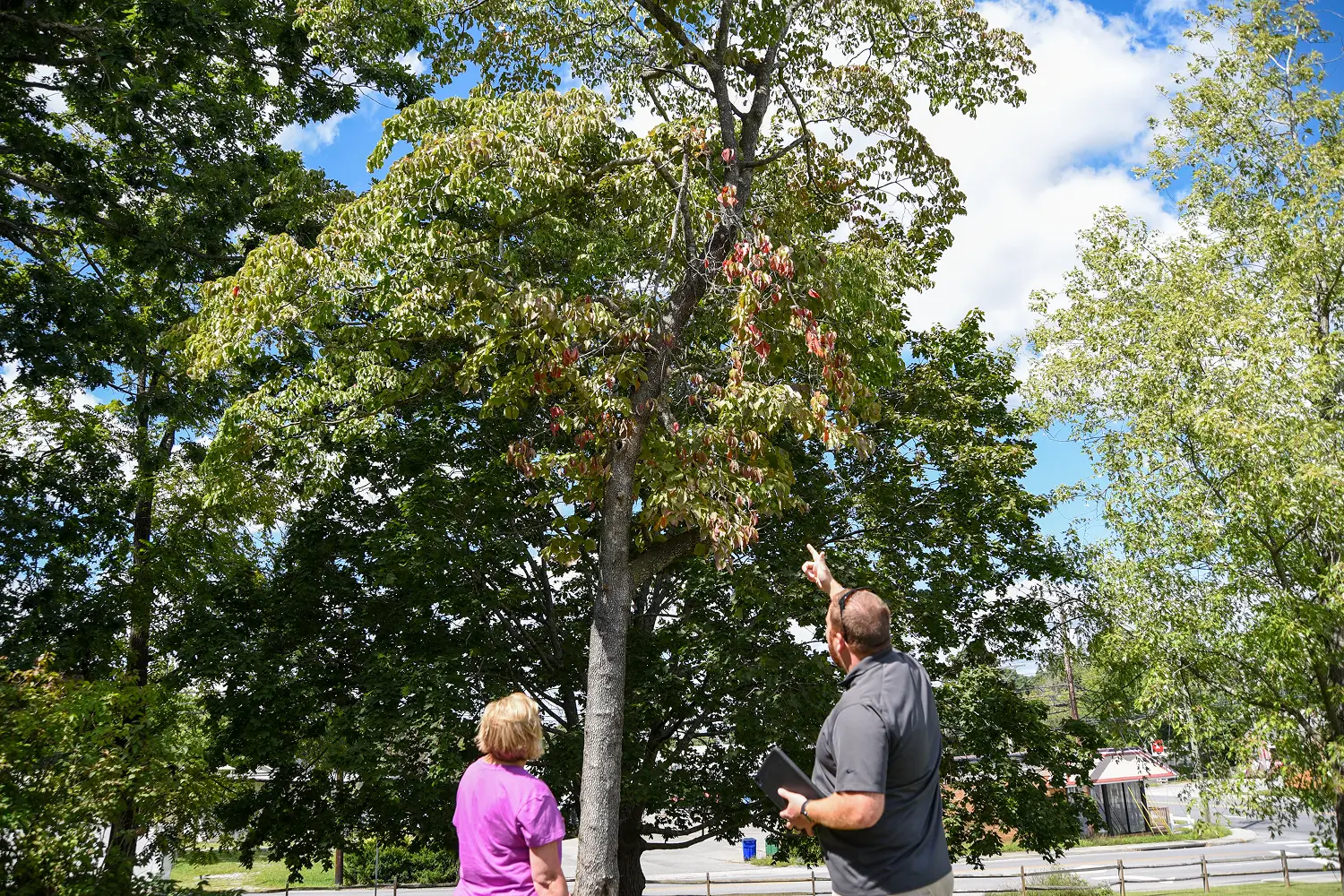
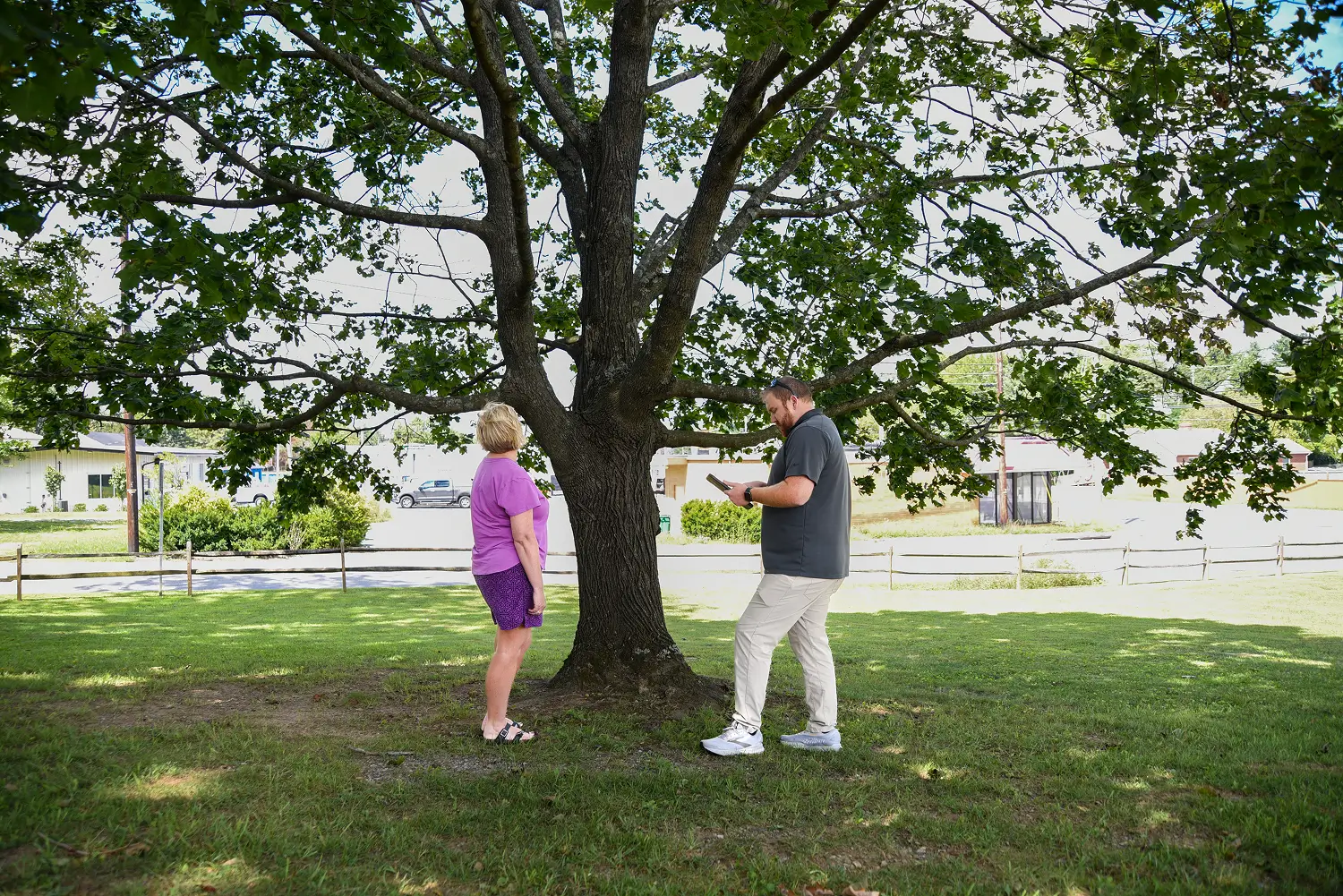
All Natural Tree Experts combines ISA-certified arborist expertise with a structured approach to plant health assessment. Rather than relying on a single symptom, our team considers the tree, root zone, soil, site conditions, and available testing information together. This creates a stronger basis for practical recommendations when a tree’s decline is difficult to explain. We’re trusted for the following reasons:
- ISA-certified tree specialists with training in tree biology, health assessment, and risk evaluation
- Thorough visual assessments covering the canopy, branches, trunk, root flare, soil, and surrounding site
- Targeted diagnostic testing used when symptoms require information beyond a visual inspection
- Site-specific recommendations based on the tree's species, condition, age, and growing environment
- Transparent and upfront pricing without any hidden charges
Ready to find out what’s really going on with your tree? Contact our team.
Frequently Asked Questions (FAQs)
01. How much does a plant health diagnosis cost in Cave Spring?
The cost of a plant health diagnosis in Cave Spring depends on the tree, the scope of the assessment, and whether additional testing is needed. All Natural Tree Experts provides pricing before any recommended testing begins.
02. Can a tree recover after a diagnosis confirms disease?
Yes, many trees can continue to recover or remain healthy with appropriate care after a disease is identified. Recovery depends on the disease, how advanced it is, the tree’s overall condition, and whether the underlying factors affecting its health can be addressed.
03. How long does a plant health assessment take?
A standard visual plant health assessment typically takes about 30 to 45 minutes. When additional laboratory testing is needed, the timeline depends on the type of test and the laboratory processing the sample.
04. Should I get a second opinion before removing a tree?
Yes, a second professional opinion can be useful before removing a tree, especially when the recommendation is based on limited information. An additional assessment may clarify the tree’s condition and whether treatment, monitoring, or other management options are still appropriate.
Get A Free Consultation