Tree Insect & Disease Management in Cave Spring, VA
Identify the Problem. Target the Treatment. Protect Your Trees.
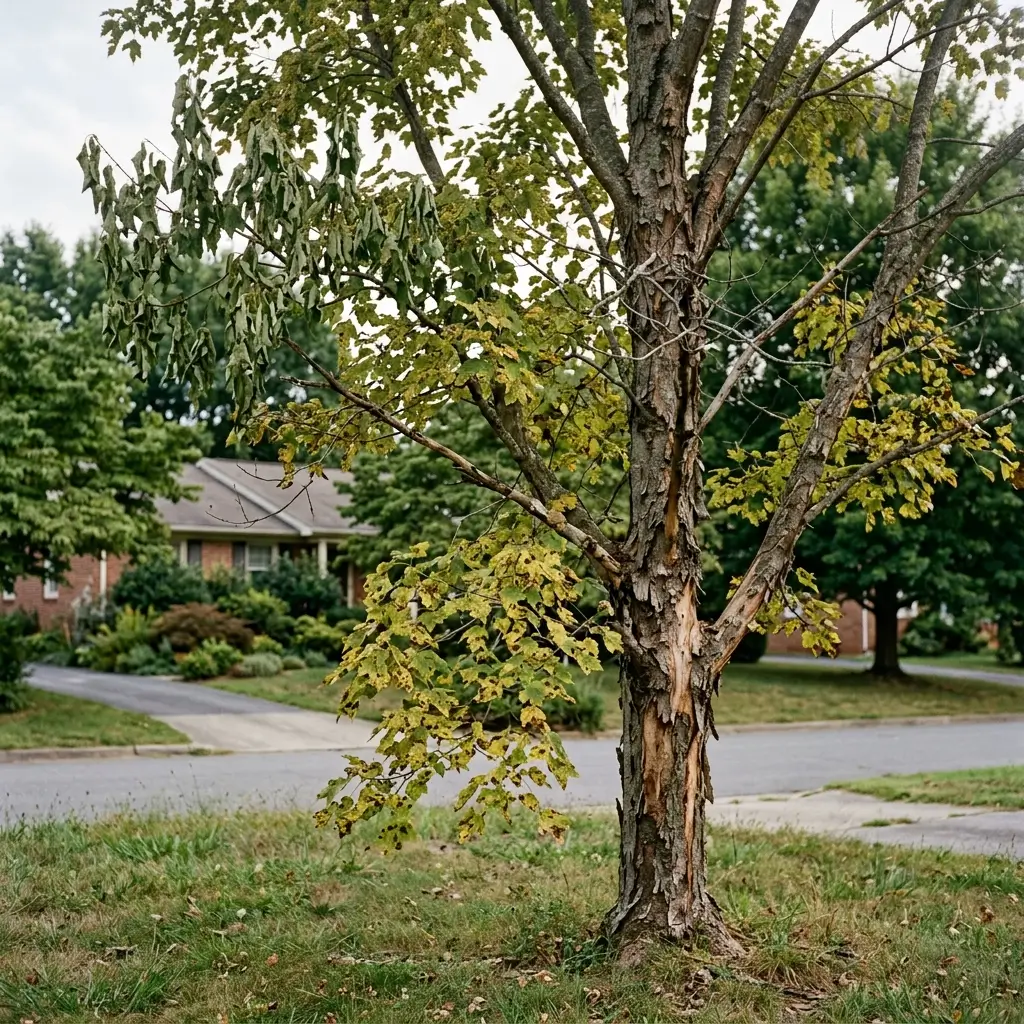
Insects and diseases can cause thinning foliage, discolored leaves, branch dieback, bark damage, and declining tree health. The sooner you identify the cause, the more options you may have to protect the tree.
Our ISA-certified arborists assess the tree, symptoms, pest or disease activity, species, and site conditions before recommending a treatment plan.
Depending on the diagnosis, management may include targeted applications, trunk injections, pruning, sanitation, cultural practices, or ongoing monitoring through an Integrated Pest Management (IPM) approach.
Schedule a Tree Health Assessment
(540) 230-1098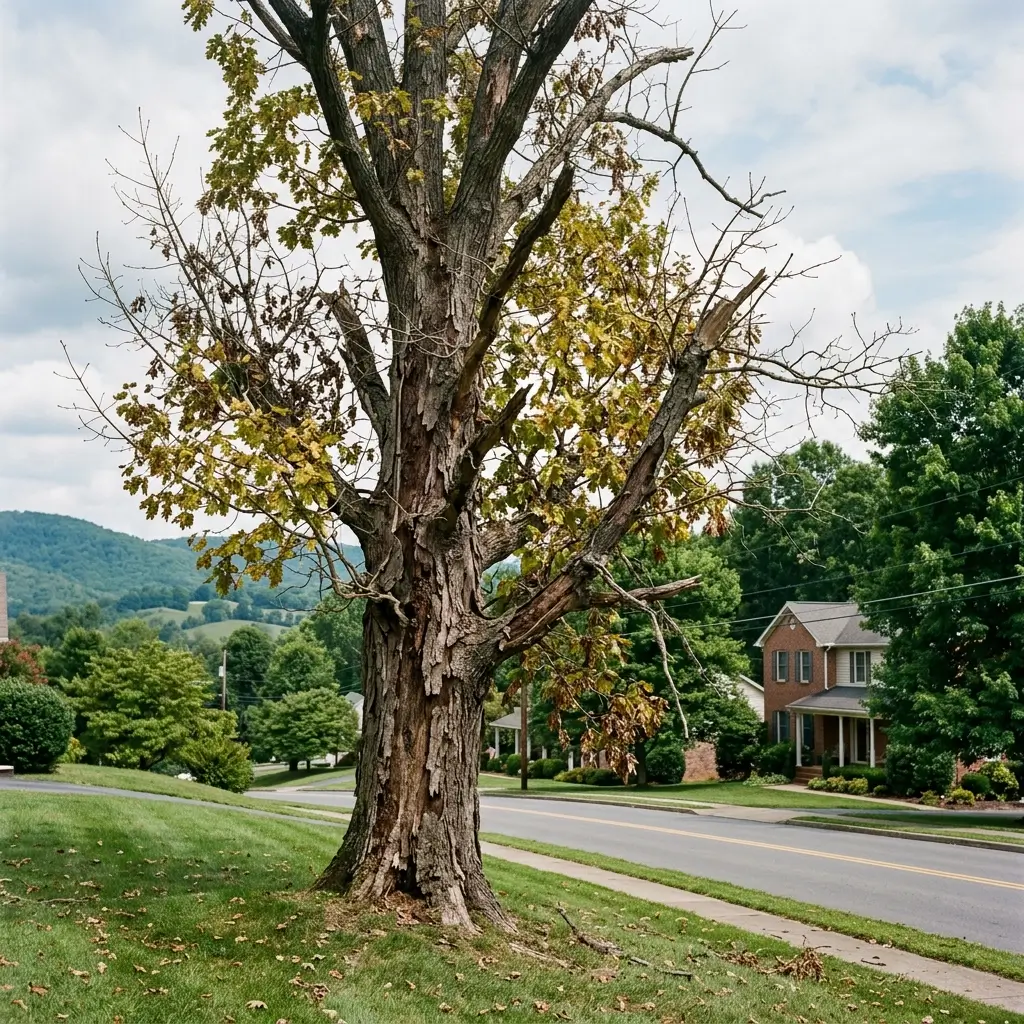
Is Your Tree Showing Signs of Disease or Insect Damage? Let Our ISA-Certified Arborists Help
Changes in your tree’s leaves, branches, or bark can signal an insect infestation, disease, or underlying tree stress. Look for chewed or discolored leaves, thinning foliage, premature leaf drop, dead branch tips, sticky residue, unusual bark growth, holes, cankers, or recurring leaf spots.
These symptoms can have different causes, and treating the wrong problem may not resolve the underlying issue. Our ISA-certified arborists evaluate the tree’s symptoms, species, overall condition, and site conditions to help identify the likely cause and determine whether treatment is appropriate.
Common Warning Signs
- Chewed, skeletonized, or distorted leaves may indicate leaf-feeding insects such as Japanese beetles or caterpillars.
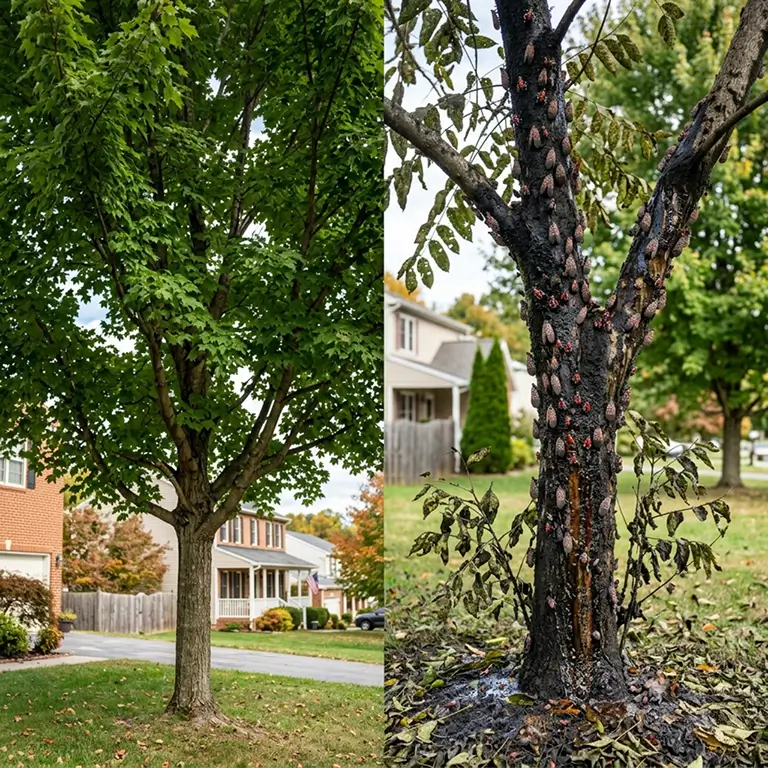
- Sticky leaves or black sooty growth may be associated with sap-feeding insects that produce honeydew.
- Thinning foliage or branch dieback can result from insects, disease, drought stress, root problems, or other tree-health issues.
- Leaf spots, lesions, or premature leaf drop may indicate fungal or bacterial disease, depending on the tree species and symptoms.
- Holes, galleries, bark splits, or unusual bark changes can be signs of wood-boring insects or disease-related damage.
- White, cotton-like material on branches can indicate certain pests, including hemlock woolly adelgid.
The right treatment depends on what is affecting the tree, how advanced the problem is, and the conditions surrounding it. Our team can assess the problem and recommend a management approach suited to your tree.
Common Tree Insects We Manage in Cave Spring
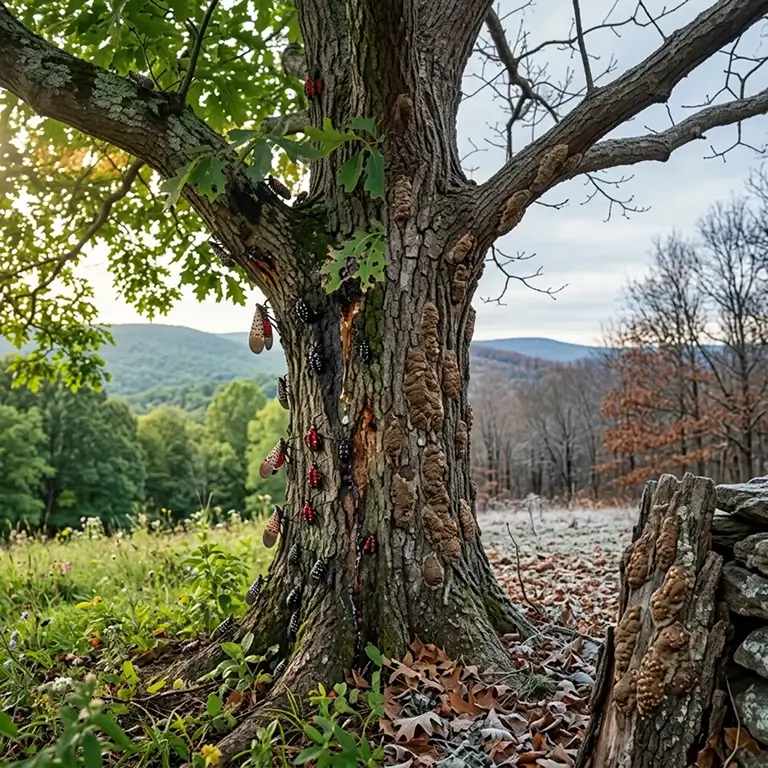
Spotted Lanternfly
Japanese Beetles
Hemlock Woolly Adelgid
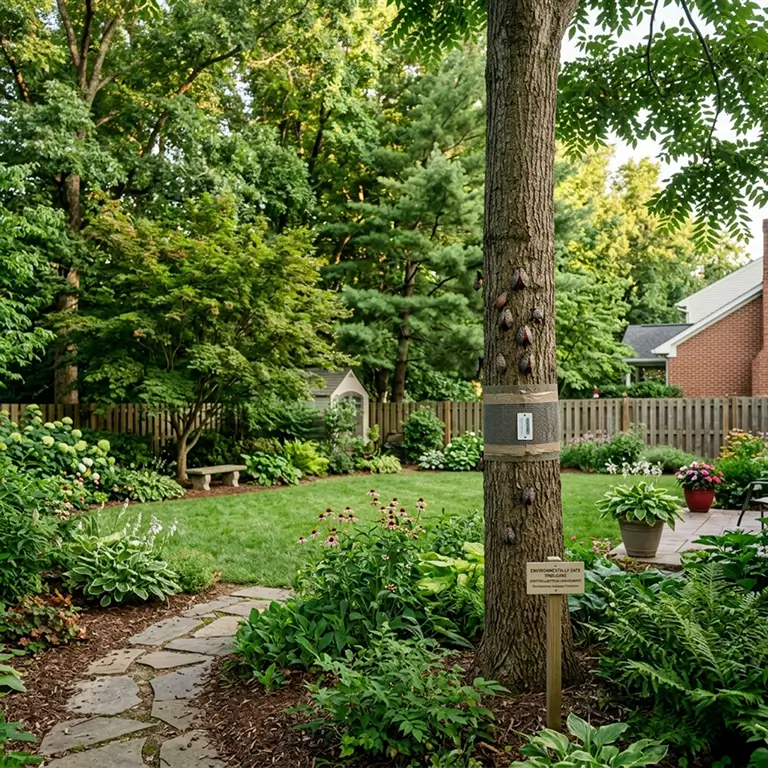
Emerald Ash Borer
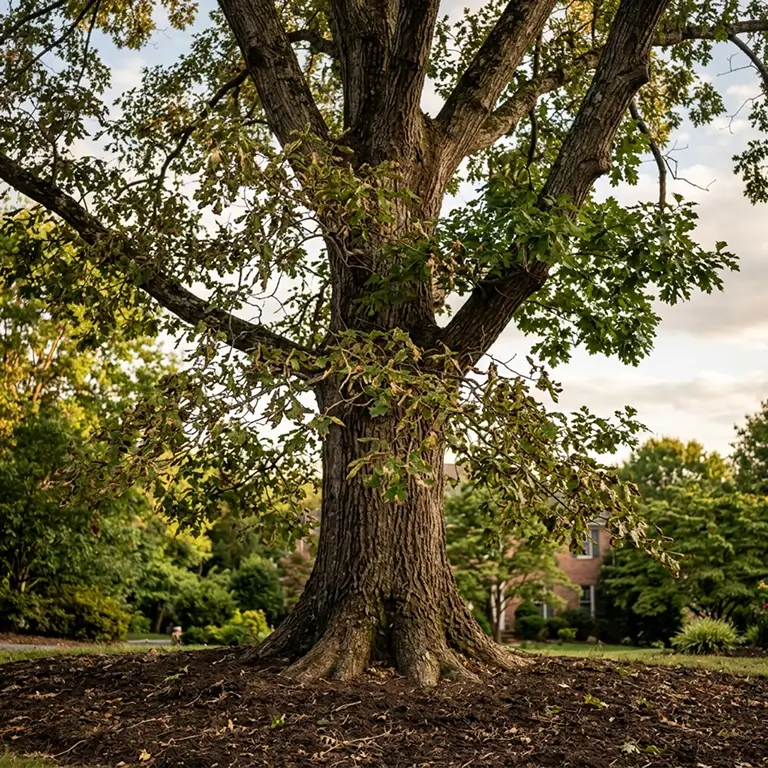
Hard and Soft Scale Insects

Bagworms
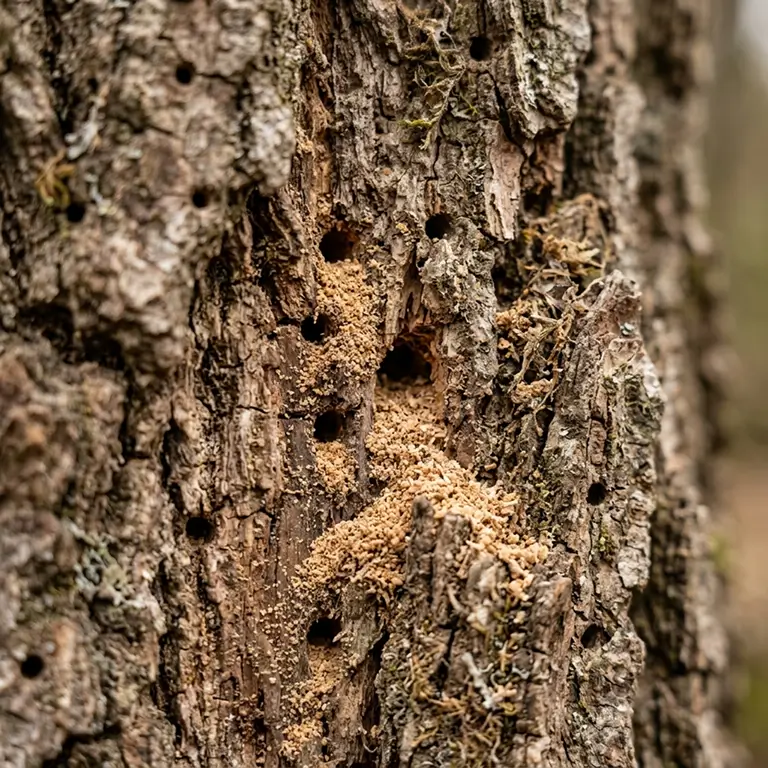
Aphids
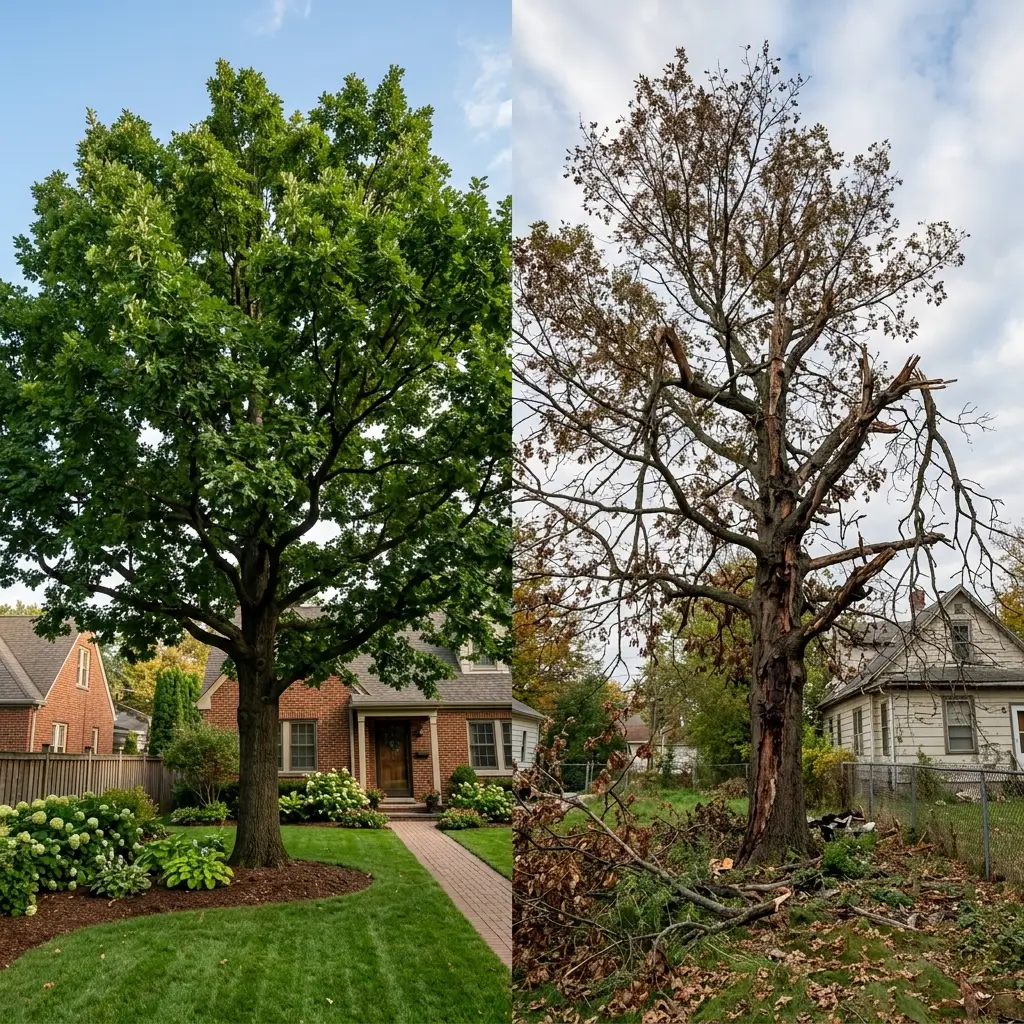
Our Integrated Pest Management Approach
01
Step 1: Evaluate Pest Activity
Our arborists evaluate the level of insect activity or disease pressure and consider how it’s affecting the tree. This helps determine whether immediate treatment, preventive measures, or continued monitoring is appropriate.
02
Step 2: Set Treatment Priorities
The type of pest or disease, stage of activity, tree species, and extent of damage help guide treatment decisions. This allows our team to focus resources where they can provide the most benefit.
03
Step 3: Select Management Methods
Treatment may involve targeted spraying, trunk injections, pruning, sanitation, cultural practices, or other appropriate measures. The selected method depends on the pest or disease and is designed to control the problem while limiting unnecessary impact on the surrounding landscape.
04
Step 4: Apply Targeted Treatment
Applications are timed and placed according to the pest’s activity, life cycle, and treatment requirements. Careful application can improve treatment effectiveness while reducing unnecessary exposure to nearby plants and beneficial insects.
05
Step 5: Monitor and Maintain
This final step includes revisiting the tree to check how well the treatment worked and watching for any new activity. As part of our ongoing tree maintenance services, follow-up visits catch problems early before they can take hold again.
How Our Targeted Treatment Protects Beneficial Insects and Nearby Trees
Not every insect around a tree is harmful. Ladybugs, lacewings, and parasitic wasps can help keep pest populations under control, while pollinators support plants throughout the landscape. Broad-spectrum pesticide applications can affect these beneficial insects when they are exposed unnecessarily. Targeted treatment reduces this risk by focusing control measures on the pest or affected area rather than applying products across the entire property.
Tree health assessments help determine which pest or pathogen is affecting the tree and where the problem is concentrated. Based on those findings, our arborists can use targeted methods such as trunk injections or spot treatments rather than treating the entire property.
Applying treatment only where it’s needed helps reduce unnecessary exposure to nearby plants, pollinators, and beneficial insects while addressing the specific problem affecting the tree.
Common Tree Diseases We Treat


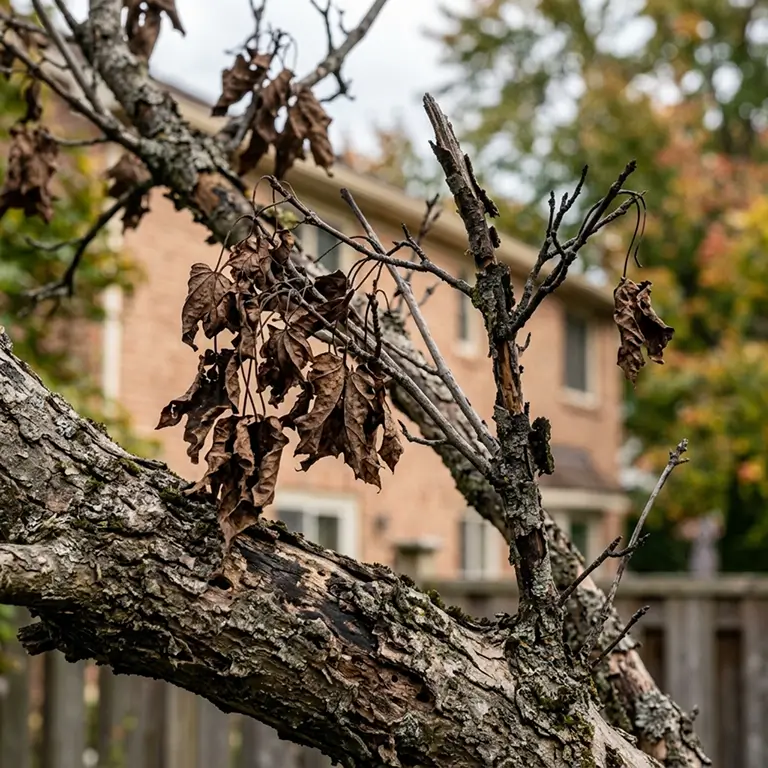
Regular tree inspections can help identify disease symptoms early, when management options are generally more useful.
ISA-Certified Arborists Serving All of Cave Spring
Cave Spring has humid summers, clay-heavy soil, and wooded surroundings, all of which can influence insect activity and disease development. Our ISA-certified arborists assess tree symptoms, soil and drainage conditions, sunlight, species, and signs of pest activity before recommending an appropriate management approach.
All Natural Tree Experts provides professional tree insect and disease management throughout Cave Spring, VA, including Cave Spring Corners, Canterbury Park, Crystal Creek, Sugar Loaf Hills, and Winterberry. We adjust our diagnostic and treatment approach based on the tree species, condition, and likely cause of the problem.
Whether you’re dealing with insect damage, fungal disease, declining foliage, or other signs of poor tree health, our arborists identify the underlying issue before recommending treatment.
Early assessment can help address problems before they cause more extensive damage.
Why Choose All Natural Tree Experts
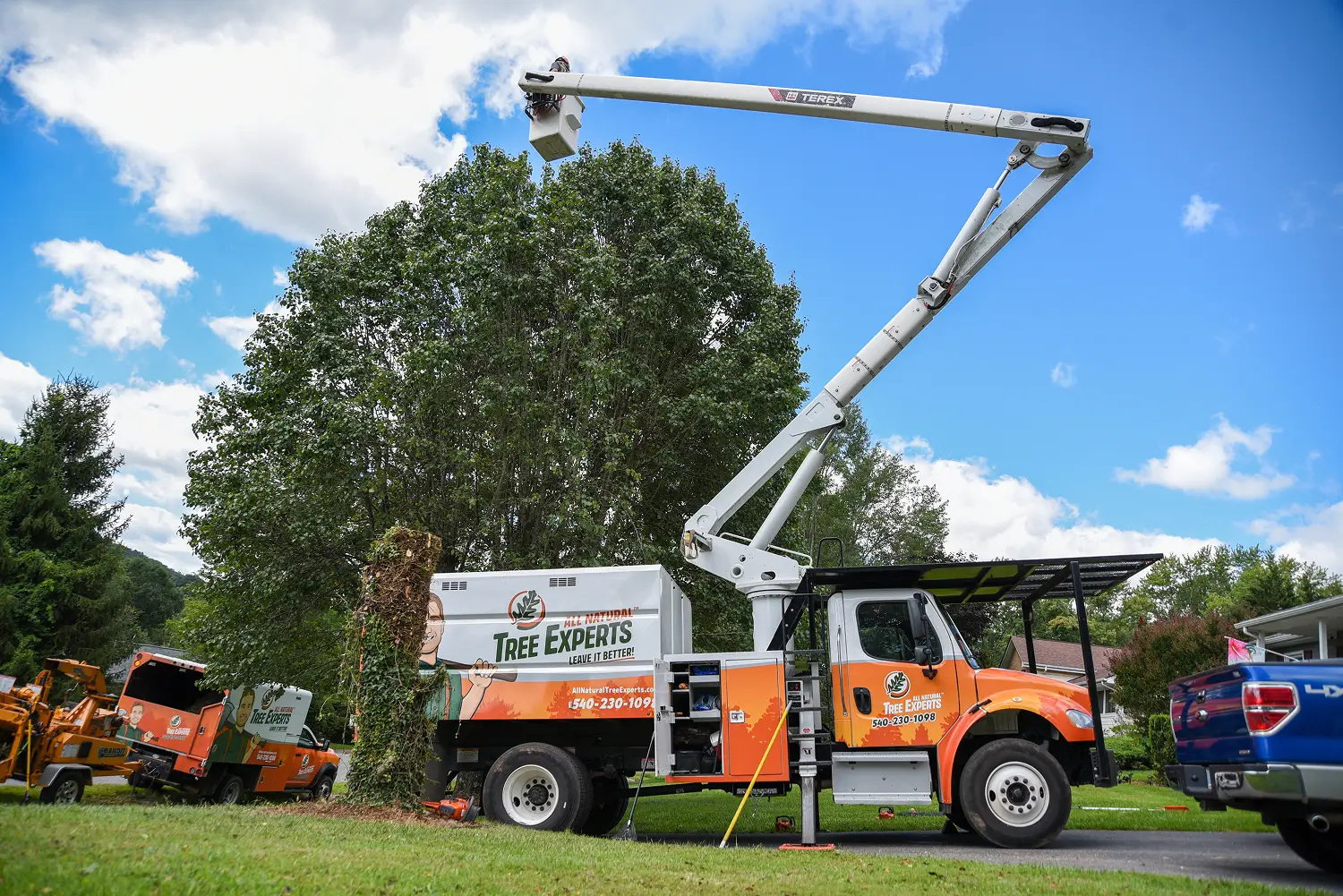
All Natural Tree Experts takes a practical, measured approach to tree insect and disease management. Our ISA-certified arborists use Integrated Pest Management principles to control pests and diseases while considering the tree, surrounding plants, beneficial insects, and site conditions. Treatment may include targeted applications, injections, pruning, cultural practices, and follow-up monitoring when appropriate. See why locals in Cave Spring, VA, choose us:
- ISA-certified arborists trained in tree health, pest management, and arboricultural practices
- Integrated Pest Management (IPM) that combines monitoring, prevention, cultural practices, and targeted treatment
- Targeted applications and injections selected according to the pest, disease, tree species, and treatment timing
- ANSI A300-based tree care practices for appropriate pruning and related tree maintenance work
- Pollinator-conscious treatment methods that help limit unnecessary exposure to beneficial insects
- Treatment plans suited to local conditions across Cave Spring
The right treatment at the right time can help control pests and diseases while protecting your tree’s long-term health. Call us to book tree insect & disease management services in Cave Spring.
Who we work with
Frequently Asked Questions (FAQs)
01. What does tree insect and disease management include?
Tree insect and disease management includes monitoring, pest and disease control, targeted spraying or injections, pruning, sanitation, cultural practices, and follow-up care. The appropriate treatment depends on the pest or disease, tree species, level of activity, and site conditions.
02. How do I know if my tree needs insect or disease treatment?
Signs such as chewed leaves, thinning foliage, premature leaf drop, dead branch tips, sticky residue, unusual bark changes, or recurring leaf spots can indicate an active pest or disease problem. Professional management can help control the problem before it causes more extensive damage.
03. Does tree insect and disease management always require spraying?
No. Treatment may include targeted spraying, trunk injections, pruning, sanitation, cultural practices, or monitoring, depending on the specific pest or disease. Using the appropriate method helps avoid unnecessary applications and focuses treatment where it is most useful.
04. Can tree disease spread to nearby trees?
Some tree diseases can spread to nearby trees through insects, wind, rain, contaminated plant material, or other pathways. Managing the affected tree, removing infected material when appropriate, and maintaining good tree care practices can help reduce disease pressure in the surrounding landscape.
Get A Free Consultation

Call or Fill Out The Form Below To Schedule An Arborist Assessment!
What Customers Say About Our Tree Specialists